A software company that has never owned a laboratory has decided to make its own medicines.
Read that twice. It's the smallest true thing you can say about the biggest shift in science in a generation.
For four hundred years, technology in science meant a better instrument; a sharper microscope, a faster computer, a bigger telescope. The tool improved. The scientist kept the method.
That's over.
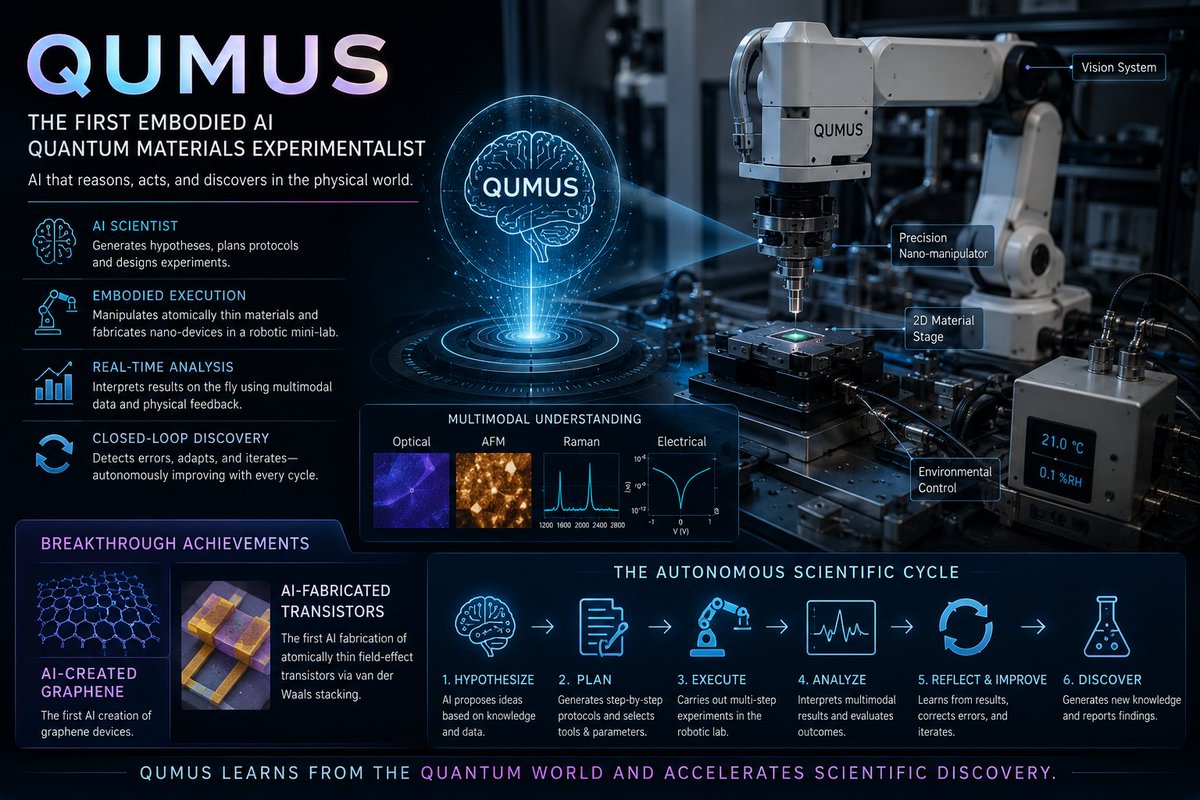
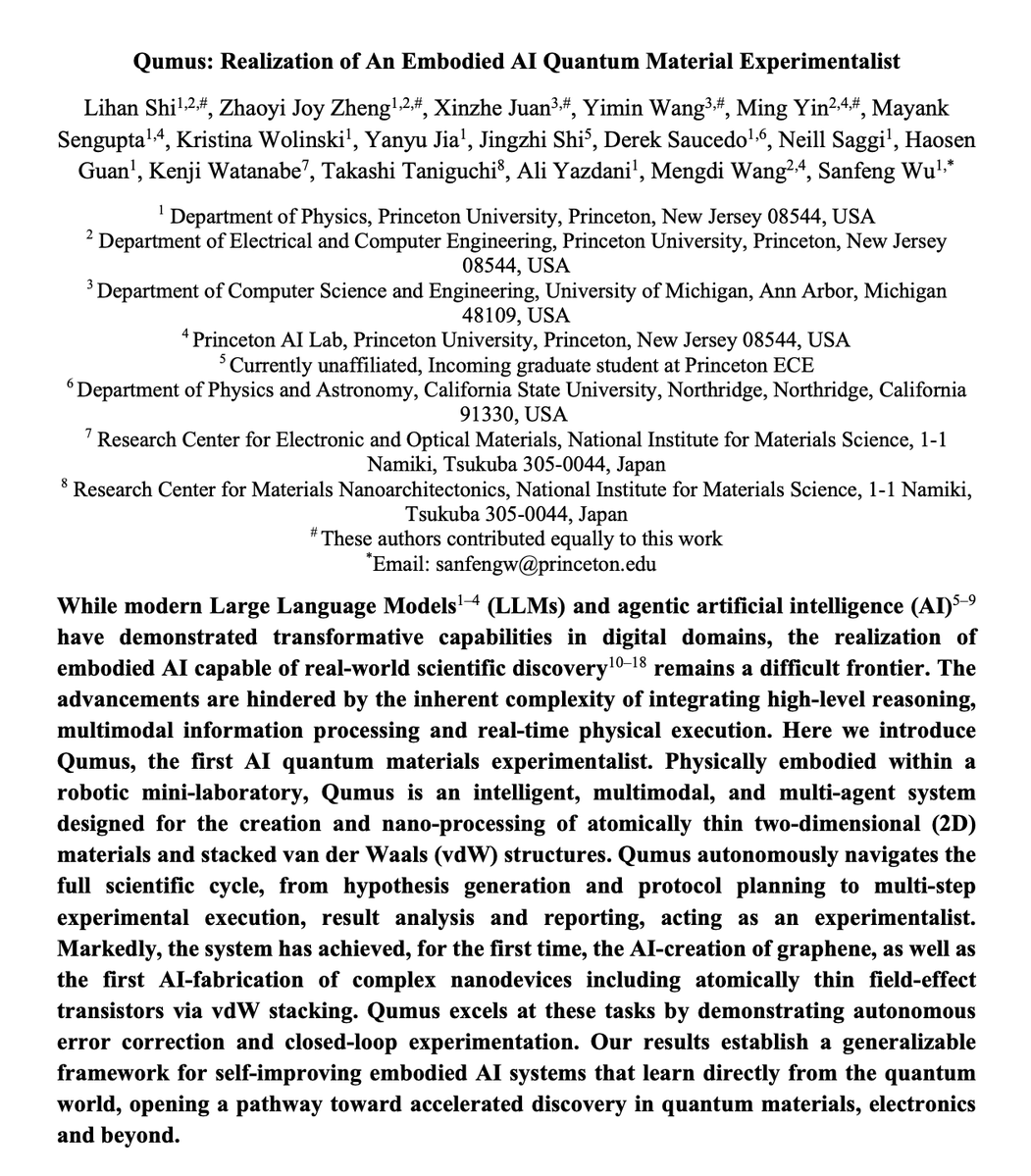
AI is no longer the microscope. It's becoming the method itself.
Anthropic just folded sixty scientific databases into one workspace and started designing its own drugs. In Britain, the protein-folding AI that won a Nobel is now putting AI-designed cancer drugs into human trials. OpenAI opened a biology model to labs worldwide. And Japan didn't call any of this "productivity," it called it sovereignty.
Four continents. One move. That's not a coincidence. It's a phase change.
Here's the part almost nobody is pricing.
Science has always been trustworthy because the method was public: publish your data, share your steps, let anyone rerun the experiment and catch your mistake. When the method becomes a private, updatable product, that check now depends on a company's version history.
The prize is enormous; a century of discovery compressed into a decade, cures reaching people the old system priced out.
But the same layer that could cure the incurable can quietly move the ownership of knowledge itself behind a login, and a credit card.
So here's the question I'd put to any leader: if the very method of discovery is being rebuilt on AI you don't own and can't fully inspect, who owns what it discovers, and can you trust a result you didn't compute?
Read my full deep dive here: thedigitalspeaker.com/ai-sci…
#AI #FutureOfScience #science

167