Jul 5
Analysis of the Periodic Re-pricing Logic in the Memory Storage Sector
The memory storage sector is currently influenced by a convergence of multiple driving factors. SK Hynix is expected to list on the NASDAQ on July 10, with an anticipated issuance scale of approximately $29 billion, where each American Depositary Receipt (ADR) corresponds to 0.1 ordinary shares. This event will increase global capital participation in leading memory manufacturers and strengthen market consensus on the pricing of High Bandwidth Memory (HBM) and Dynamic Random Access Memory (DRAM) supply chains by establishing a new valuation anchor. Key upcoming milestones include the book-building process on July 6 and the final pricing confirmation on July 9; subsequent market trading behavior will directly reflect capital allocation preferences.
The supply-demand landscape for DRAM remains tight. Contract prices for the third quarter are projected to increase by 13% to 18% quarter-over-quarter, with some institutions raising their forecasts further to 32%, and expectations for fourth-quarter growth have also been bolstered. Significant shifts are occurring on the supply side, with some manufacturers removing price caps in long-term agreements, allowing spot market price volatility to flow more smoothly into contract prices and reshaping the distribution of pricing power. This move significantly increases the profit elasticity of storage firms, indicating a shift from a buyer’s market to a seller’s market, where the influence of artificial mechanisms on cyclical volatility has diminished.
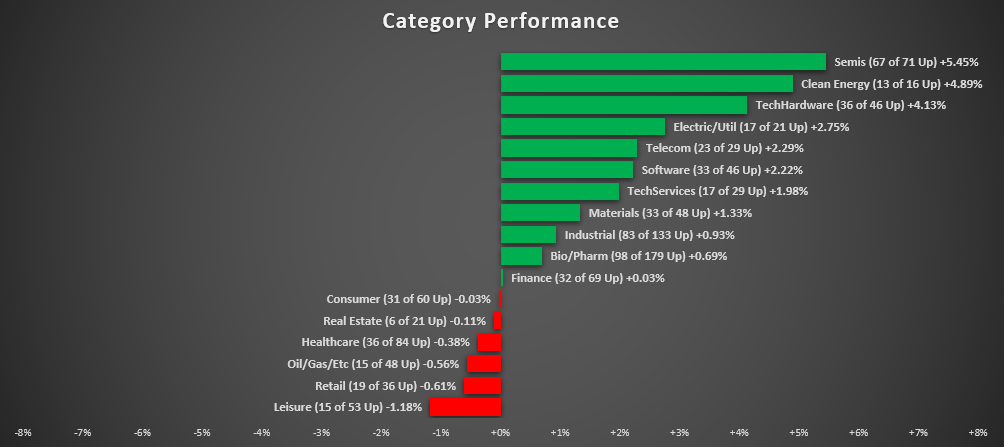
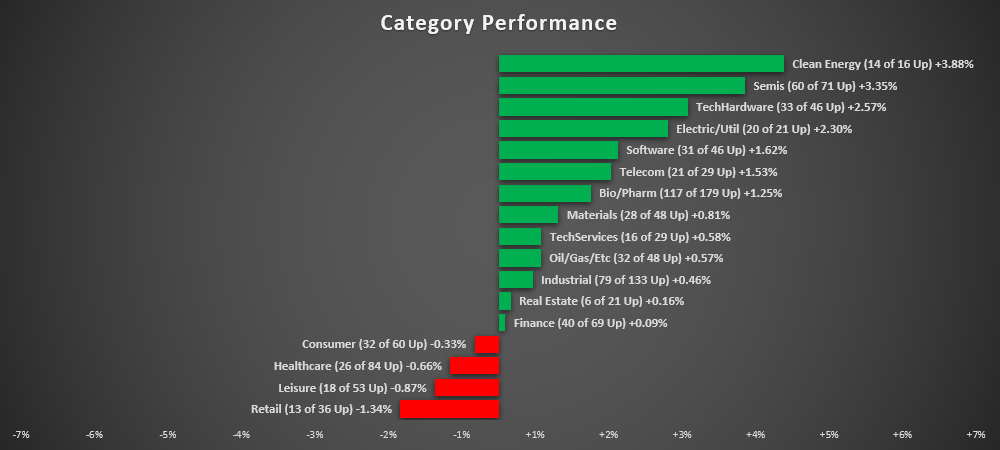
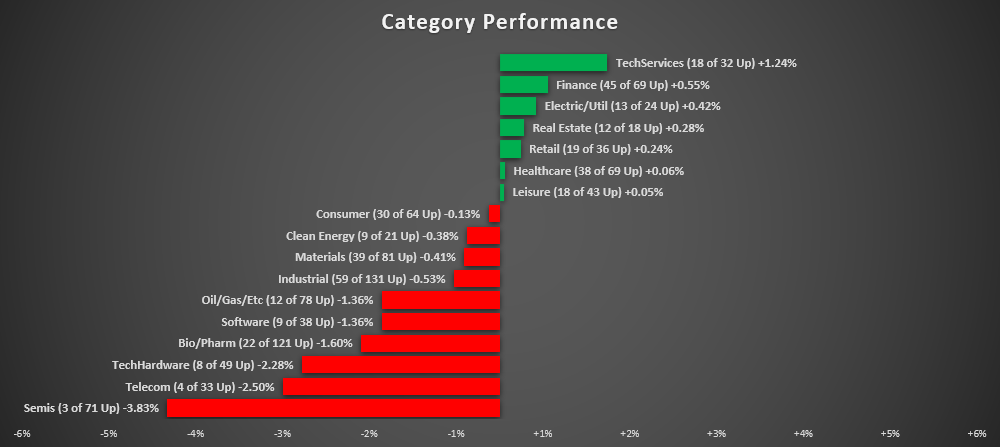
At the macroeconomic level, U.S. labor market data shows signs of cooling, with non-farm payroll figures coming in below expectations. This, combined with the stabilization of the Personal Consumption Expenditures (PCE) price index, has alleviated pressures from restrictive monetary policy. The marginal improvement in interest rate expectations has reduced the pressure of discount rates, fostering a more favorable investment environment for high-elasticity tech assets such as semiconductors and AI hardware. Despite short-term price adjustments triggered by specific macroeconomic sentiment, the evolution of core supply-demand relationships and contract pricing mechanisms underpins the continuation of the sector's fundamental logic, warranting a closer look at the path toward valuation restructuring following these adjustments.
Keywords: #MemoryChips #SKHynix #DRAM #HBM #NASDAQ #ADR #LongTermAgreement #SupplyDemandBalance #SemiconductorCycle #ArtificialIntelligence #TechHardware #FederalReserve #InterestRatePolicy #NonFarmPayroll #InflationExpectations #PCE #ContractPricing #ProfitElasticity #Liquidity #ValuationAnchor #ChipManufacturing #StorageMemory #SpotPrice #SupplyChainPremium #Macroeconomics #InvestmentPortfolio #AssetAllocation #MarketVolatility #ChipClearing #TechnicalRebound
Perspective
The core value of this report lies in dissecting the logic of valuation restructuring in the storage industry across three dimensions: liquidity events, industrial pricing mechanisms, and macroeconomic monetary policy. It demonstrates considerable depth in analyzing industry cycles.
Credibility Assessment: The report’s references to market data (e.g., TrendForce, UBS forecasts) are useful; however, there is a degree of inferential assumption regarding the specific premium effect of the SK Hynix ADR issuance and the actual transmission efficiency following the removal of price caps in long-term agreements. As a sector characterized by high cyclicality, the storage industry is highly susceptible to the dual pressure of macro liquidity and fluctuations in downstream demand. The report leans heavily on fundamental tailwinds and lacks sufficient discussion regarding potential risks on the demand side (such as a slower-than-expected recovery in consumer electronics or a slowdown in data center construction).
Key Values and Logic: The core argument is the closed-loop logic of pricing power shifting from buyers to sellers. By removing price caps in long-term agreements, storage manufacturers can more effectively capture excess profits during cyclical upturns; this is the key variable explaining the change in the current market logic. Furthermore, elevating a single equity listing event to the level of a global capital re-pricing of the entire industry demonstrates the macro-perspective typical of investment bank research.
Risk Factors:
Monetary Hedging Logic: Reliance solely on employment and inflation data to expect falling interest rates ignores the impact of geopolitical factors on supply chain costs.
Market Response Assumptions: The assumption that global capital will re-price the entire supply chain due to the ADR listing overlooks the current feature of "stock-based gaming" in which the semiconductor sector operates within a range of high volatility.
Data Verification: References to the Q3 DRAM price increase for Samsung and the removal of long-term agreement price caps remain market rumors or industry research perspectives. These require empirical validation through subsequent quarterly reports and formal contract disclosures from manufacturers; they remain 【Unverified】.
Decision Implications: For investors, this framework reveals that the storage sector is at a critical juncture transitioning from "sentiment repair" to "pricing mechanism restructuring." Focus should be placed on whether contract price increases can be realized, as well as trading activity and changes in foreign ownership ratios following the ADR listing, to confirm the true intensity of this triple-logic resonance. It is recommended to use this analysis as a reference framework for position adjustments rather than as a sole basis for decision-making.
2
1
88