Data Center Network Flattening:
$AAOI Risk or Market Noise?
B. Riley recently warned that new network flattening protocols from Amazon (RNG) and OpenAI (MRC) could cut optical transceiver demand by 40% to 50%.
I argue the market is overreacting.
Here is the realistic breakdown:
1. The Real Math: 25% to 35% Blended Drop Per DC
> Per-Cluster (True):
Hyperscalers are cutting out middle-layer aggregation switches.
On a single cluster blueprint, the physical count of required optical transceivers is dropping by 40% to 50% in that specific zone.
> The Whole-DC Picture:
When looking at the entire facility - including intra-rack connections (mostly shifting to copper) and long-reach campus backbone optics (no change) - the actual blended reduction sits around 25% to 35% less optical units per data center.
> The Counter-Weight:
Total market demand won’t collapse.
Hyperscalers are using these cost savings to build larger and more frequent clusters.
Absolute volume from the massive 2027–2028 buildout will soften the blow.
> Fewer Units, Higher Bandwidth:
The remaining optical connections require a shift to 800G and 1.6T protocols.
Hyperscalers are buying fewer physical units, but paying a much higher Average Selling Price (ASP) per module.
2. What This Means for
$AAOI
According to AAOI’s internal capacity ramp plan, the company is execution-focused on balancing two vastly different technical eras through 2027.
> The Likely Shift in the Ramp Plan:
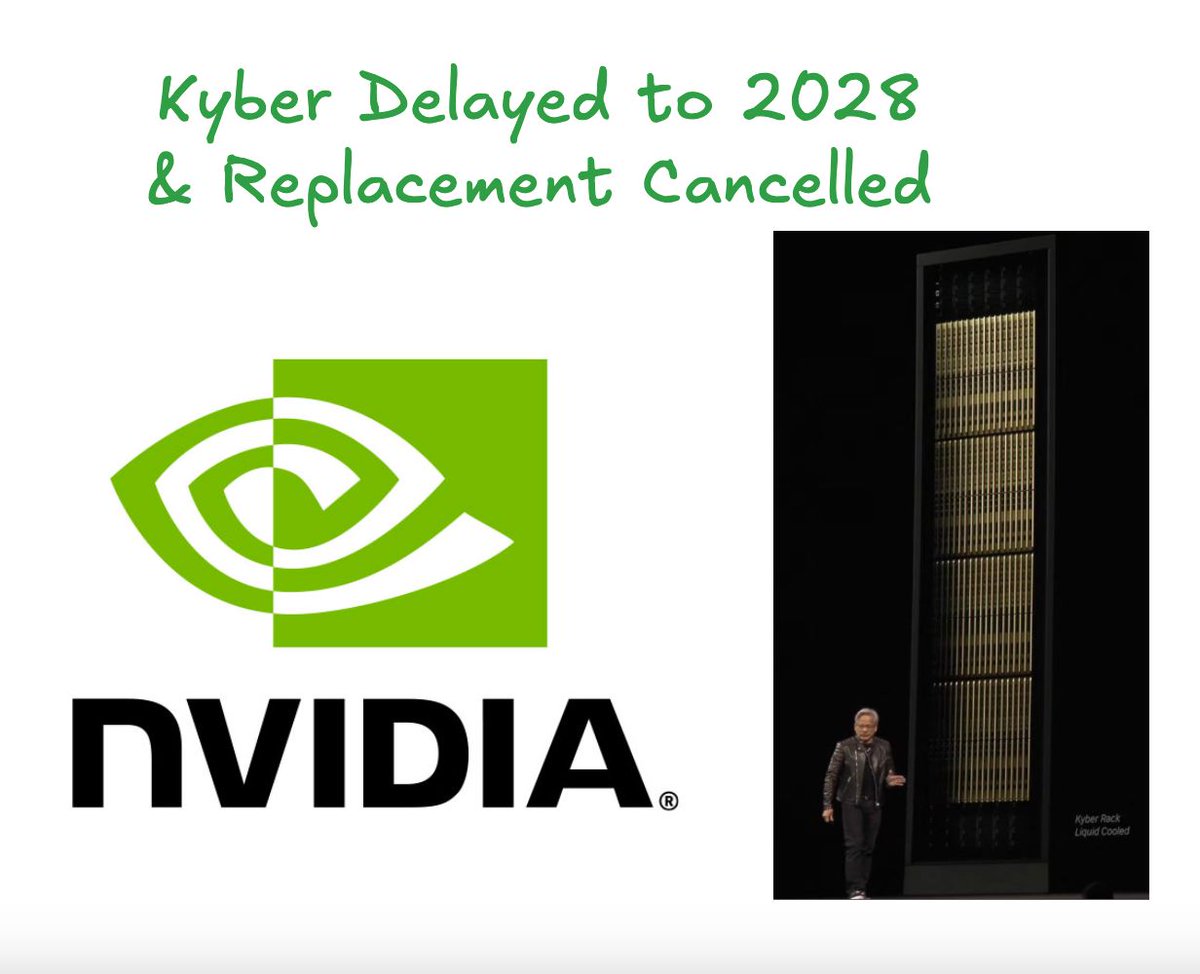
With independent industry reports pushing the mass commercial adoption of CPO out to late 2028 or 2029 (mainly driven by initial scale-up testing from Nvidia and Broadcom), AAOI is highly likely to delay its aggressive ELSFP module factory line expansion.
> Squeezing the 800G/1.6T Workhorse:
Instead of rushing the 400K/month ELSFP target by Q4-2027, AAOI’s realistic survival path is to pivot capital into maximizing their shared 800G and 1.6T pluggable lines, where demand currently outstrips their supply into mid-2027.
> The Near-Term Revenue Cushion:
This tactical delay shields them from spending heavy CapEx on underutilized CPO lines early on.
Dropping fewer ELSFP units means lower near-term tech revenue, but milking the high-ASP 800G and 1.6T pluggables for longer helps build cash flow.
> The Structural Clinch:
However, this strategy traps AAOI in a tight squeeze.
By delaying CPO/ELSFP, they remain entirely exposed to the traditional pluggable market at the exact moment hyperscalers (Amazon/Oracle) are flattening architectures to use fewer modules per cluster.
They are essentially buying time with 800G/1.6T, but running straight into a future where their volume leverage is structurally shrinking.
3. The New Playbook: Who Inherits the Capital?
Infrastructure dollars aren't disappearing; they are migrating away from basic fiber plugs and into intelligent silicon, custom integration, and advanced board-level copper.
>
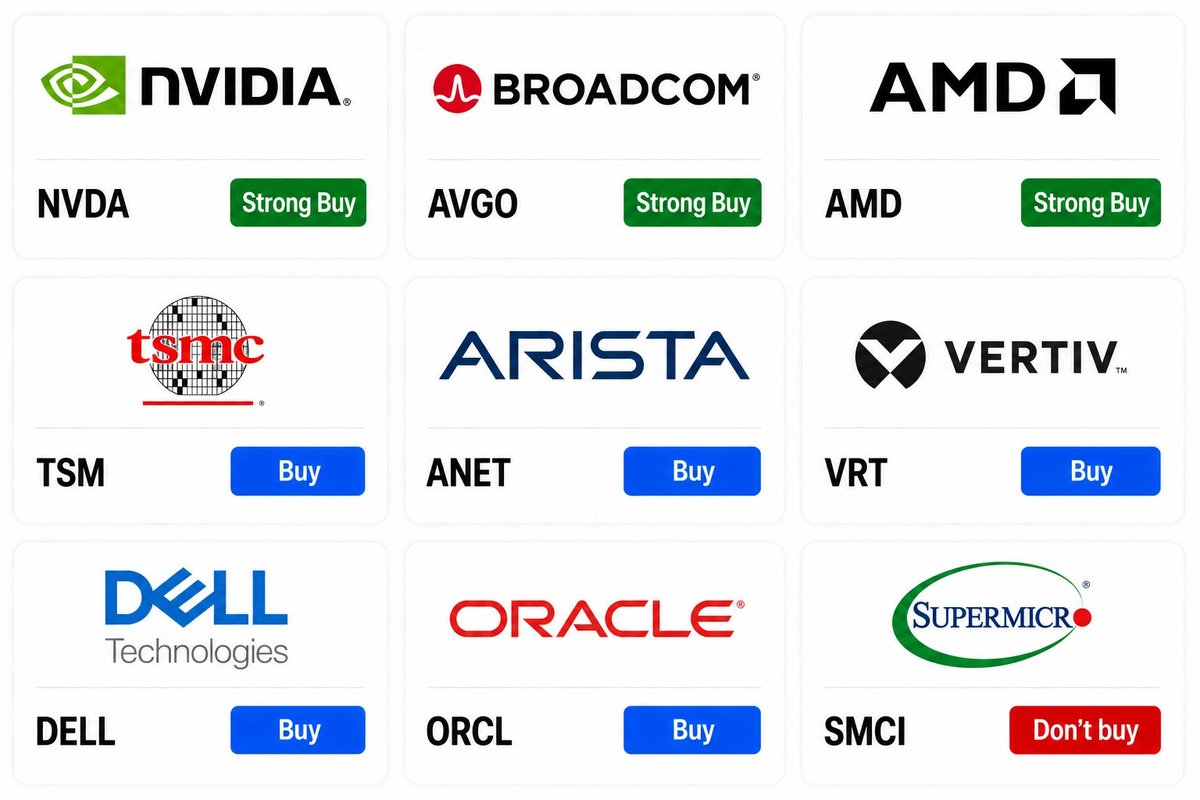
$AVGO (Broadcom):
The main architecture winner.
Their specialized ASICs run the routing logic for OpenAI's MRC, capturing the high-margin value lost by basic hardware vendors.
>
$ANET (Arista Networks):
Their software-driven networking (EOS) allows hyperscalers to run massive, flat clusters with minimal physical switch layers.
>
$CLS (Celestica):
A primary systems integrator for custom hyperscaler hardware.
As networks flatten, complex custom rack engineering replaces off-the-shelf components.
>
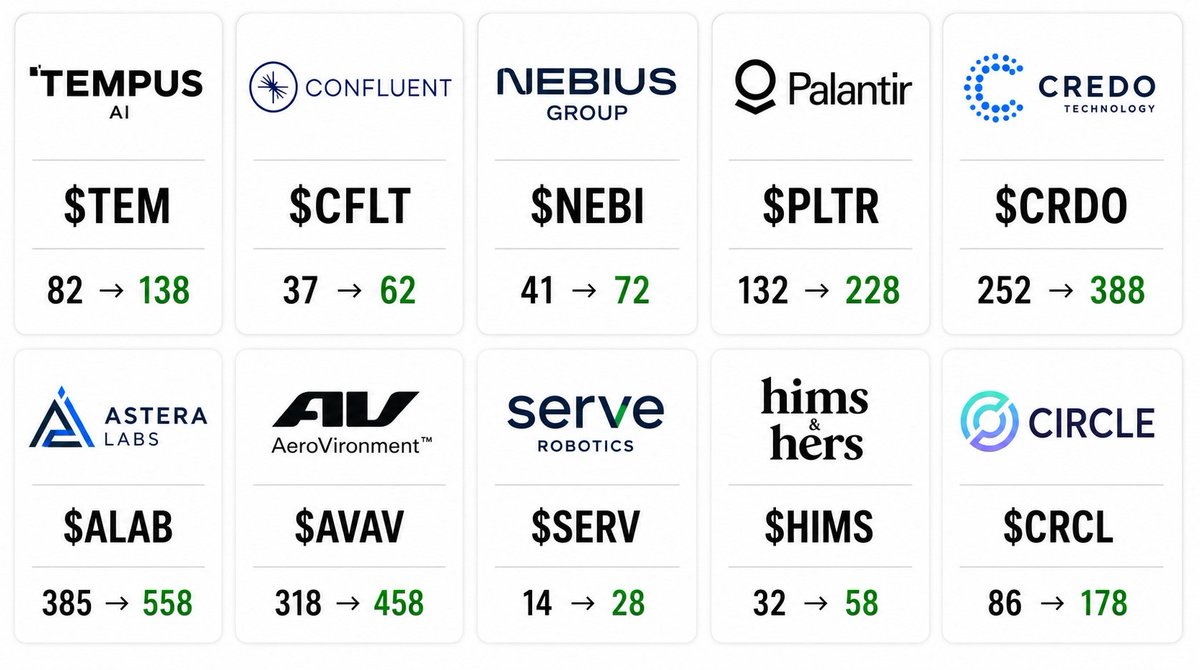
$CRDO (Credo Technology Group):
The direct component substitute.
In flat networks, expensive optics on short distances are replaced by their chip-powered, smart copper cables (AEC).
>
$ALAB (Astera Labs):
The internal routing play.
As external switch layers shrink, data bottlenecks move inside the server boards, driving massive demand for their PCIe smart retimers.
Summary & Next Steps:
These are my initial thoughts on this evolving structural shift, and it’s a topic I intend to dig into much deeper over the coming months.
The potential for
$AAOI is still significant, but the investment thesis is becoming fragmented and stretched out across a longer timeline.
I am beginning to question whether it makes sense to hold a position directly inside this architectural clinch - caught between near-term network flattening that reduces transceiver counts, and a delayed CPO transition that pushes big-tech revenue further into the future.
The margin for error for
$AAOI is thinning as the industry's monetization timeline gets redistributed.
I will keep a close eye on upcoming hyperscaler procurement logs and AAOI's actual factory utilization numbers, and I will definitely circle back to refresh this thesis once the next wave of hard data drops.