Filter
Exclude
Time range
-
Near
AINowSphere
In late 2025, @MITFutureTech researchers conducted a #DelphiStudy to identify the most critical AI-related risks, vulnerable groups, and responsible parties. This year, they shared findings from the @MIT study that surveyed 272 global #AI experts to evaluate 24 AI risks, including likelihood, severity, vulnerability, responsibility, and overall concerns, over the next five years. Among the top risks identified as a result of AI’s influence were market rivalry, weapons, cyberattacks, concentrated and consolidated AI control (economy, healthcare, civic engagement, etc.), the spread of false information, environmental harm, inequality, and unemployment. The experts judged 18 of the 24 risks as having a probability of more than 10%, resulting in catastrophic outcomes (more than 1 million deaths and/or $100 billion in financial losses). General public AI users were judged the most vulnerable to these risks, but experts assigned the highest responsibility for addressing them to general-purpose AI developers and governance professionals from both the public and private sectors. Across most risks, experts identified information, finance, and national security as the most vulnerable sectors, which guide AI risk prioritization and clarify who is accountable for mitigation measures. The biggest threat, in my view, is that the risks are unprecedented and involve too many unknowns to prepare for. As AI systems increasingly influence decisions in healthcare, employment, education, public safety, and democratic processes, it is crucial for citizens to support and actively promote strong human oversight and governance to ensure these systems benefit the public rather than control it. We have a vital role to play in our part of the timeline by building a responsible AI framework, because future generations will only know and act based on what we leave them. Follow #AINowSphere to access relevant #TechNews with clear insights related to AI, cybersecurity, and #EmergingTech topics. cdn.prod.website-files.com/6… #AIGovernance #Automation #EthicalAI #FutureOfWork #InfoSec #Innovation #MIT #MITFutureTech #NatSec #ResponsibleAI
32
StayCurrentMD
New article you should know by Jill Knepprath, MD "A modified #delphistudy to build consensus on pediatric-specific trauma #qualityindicators" Roberts B et. al. Full text: gcmd.pulse.ly/c39y9s6id8 #SoMe4PedSurg @jpedsurg Made possible by @CincyChildrens
3
9
249
BJSurgery
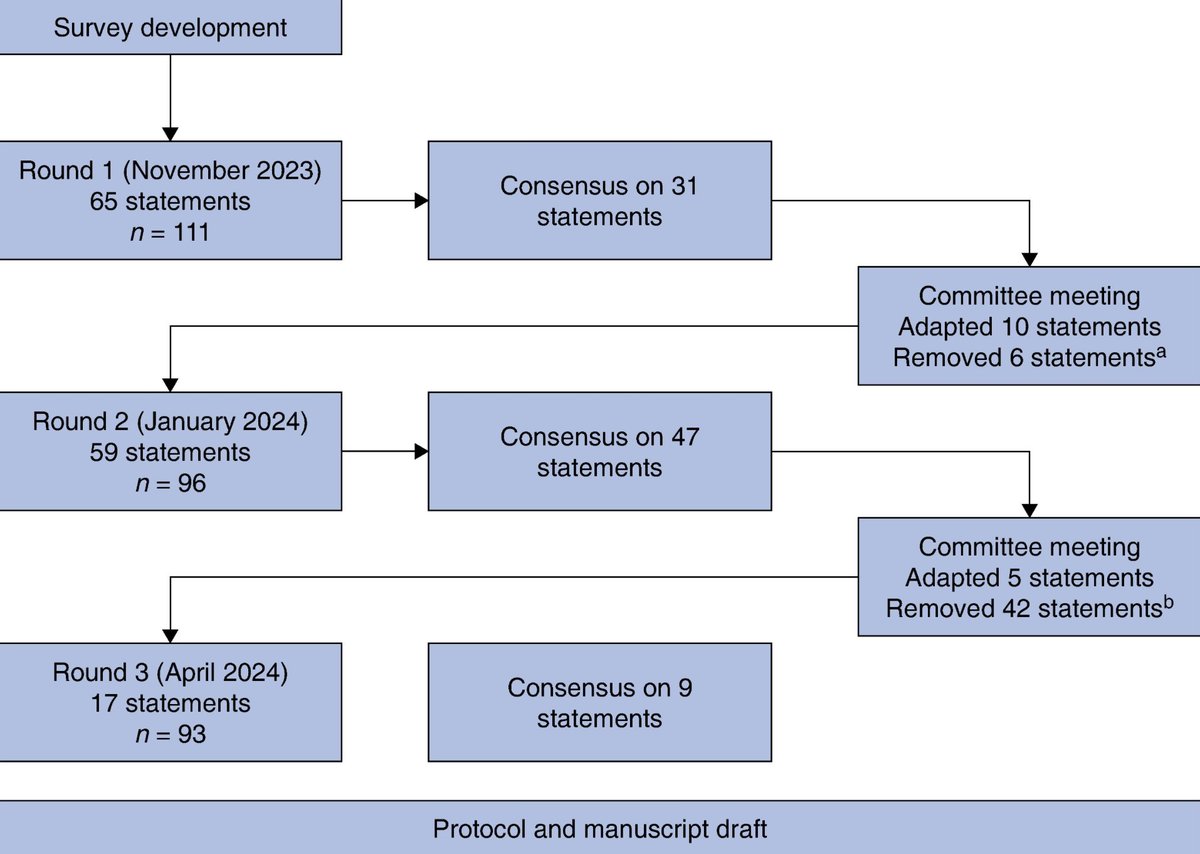
Staging laparoscopy for gastric cancer: European consensus ➡️doi.org/10.1093/bjs/znaf144 🎯 Establish expert consensus on the timing and methodology of staging laparoscopy in gastric cancer within a multinational European context. 🧮These data provide practical, Europe-wide guidance on patient selection and procedure structuring, emphasising high-risk biology and clarifying junctional tumour scenarios. A unified protocol for indications and key steps aims to reduce variation, improve staging quality, and support comparable research and service planning. 📊 Indications: Consensus for cT3–4, cN , poorly cohesive, or radiological PM risk; Junctional tumours — Siewert III: yes; Siewert I: no; Siewert II: conditional on gastric involvement;. 111 experts from 16 countries participated. 💡These data provide practical, Europe-wide guidance on patient selection and procedure structuring, emphasizing high-risk biology and clarifying junctional tumour scenarios. A unified protocol for indications and key steps aims to reduce variation, improve staging quality, and support comparable research and service planning. Work by van Hootegem Sander J M, Guchelaar Niels A D, van der Sluis Karen, Triemstra Lianne, Mönig Stefan P, Rawicz-Pruszyński Karol, Rosati Riccardo, Morgagni Paolo, Erodotou Maria, Solaini Leonardo, De Manzoni Giovanni, Polkowski Wojciech, Puccetti Francesco, Giacopuzzi Simone, Gisbertz Suzanne S, So Jimmy B Y, Ruurda Jelle P, van der Sluis Pieter S L, Lagarde Sjoerd M, van Sandick Johanna W, Wijnhoven Bas P L; Other Members of the IGCA European Chapter Collaborative Group on Staging Laparoscopy for Gastric Cancer #SoMe4Surgery #MedTwitter #SurgEd #Surgery @BJSAcademy @young_bjs @BJSOpen @des_winter @evanscolorectal @robhinchliffe1 @bplwijn @MalinASund @nfmkok @TejedorPat @paulo_sutt @PVaughanShaw @JJEarnshaw @juliomayol @ksoreide #GastricCancer #UpperGI #SurgOnc #DelphiStudy
26
54
6,201
StayCurrentMD
New infographic by @lizzyPAC8 "A Modified #DelphiStudy to Build Consensus on Pediatric-specific #Trauma Quality Indicators" Roberts BK et. al. Full text: tinyurl.pulse.ly/cmb9wyz8th #pedsurg #SoMe4PedSurg @jpedsurg Made possible by @CincyChildrens
3
5
613
StayCurrentMD
New article you should know by @lizzyPAC8 "A Modified #DelphiStudy to Build Consensus on Pediatric-specific #Trauma Quality Indicators" Roberts BK et. al. Full text: tinyurl.pulse.ly/1soaqpmzl1 #SoMe4PedSurg @jpedsurg Made possible by @CincyChildrens
3
3
412
4CF_foresight
💡 12 lessons after 100s of #Delphistudy projects 1️⃣ The right platform is essential 2️⃣ Keep questions simple & clear 3️⃣ Aim for understanding, not just consensus 4️⃣ Outliers may be the real signal 5️⃣ The real value is in the why 👉 4cf.eu/top-12-lessons-learne… #Foresight #Research
2
39
chitchadkitchen
🚨 New #OpenAccess article! We mapped the global maze of #GeriatricAssessment in #CancerCare 🧓👵 🔍 27 barriers & 17 strategies to GA implementation ✅ Telehealth, nurse-led models, policy advocacy & more 🛠️ Tool template upcoming #DelphiStudy Read here 👉 lnkd.in/gzfFqX4m #GeriatricOncology #ImplementationScience #JGO #ResearchImpact 🙏 With @WilliamDale_MD, @rayychan, Seyi Agbejule, @LKasherman, Catherine Paterson, @AnnaMislang, @martine_puts, @kristenhaase, Jolyn Johal @survonc
1
9
20
1,251
global_injury_
What are the #MSK research challenges & priorities in Malawi, South Africa and Tanzania? #injuryresearch #traumaresearch #DelphiStudy #musculoskeletalhealth
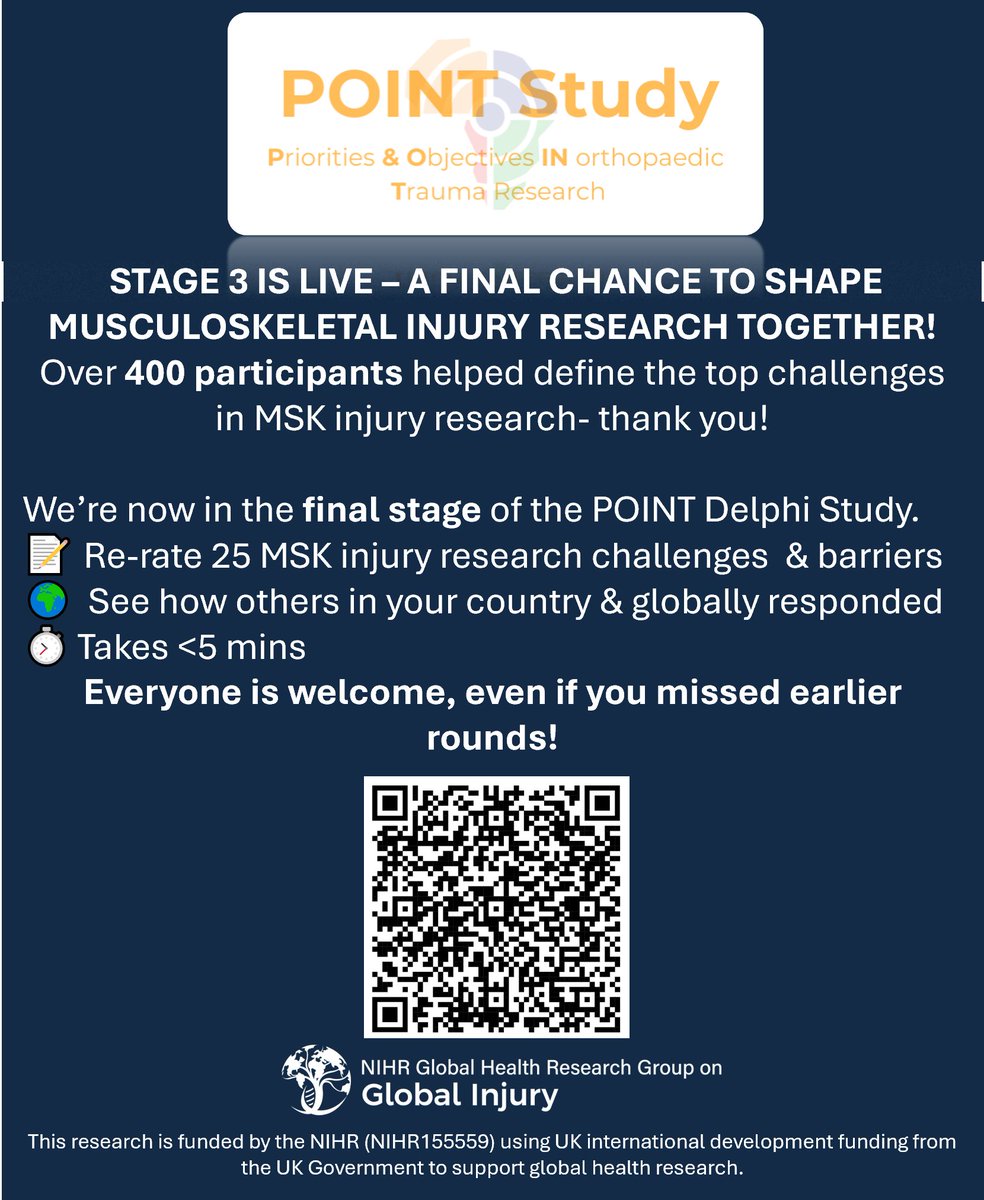
📢 MSK/Ortho researchers in Malawi, South Africa & Tanzania! Stage 3 of the #POINTStudy is LIVE! 📝 Re-rate 25 MSK injury research challenges 🌍 View global & local results ⏱️ Takes <5 mins 👥 All welcome #GlobalInjuryGroup #MSK #InjuryResearch globalinjury.ndorms.ox.ac.uk…
2
2
75
Surgery_Trials
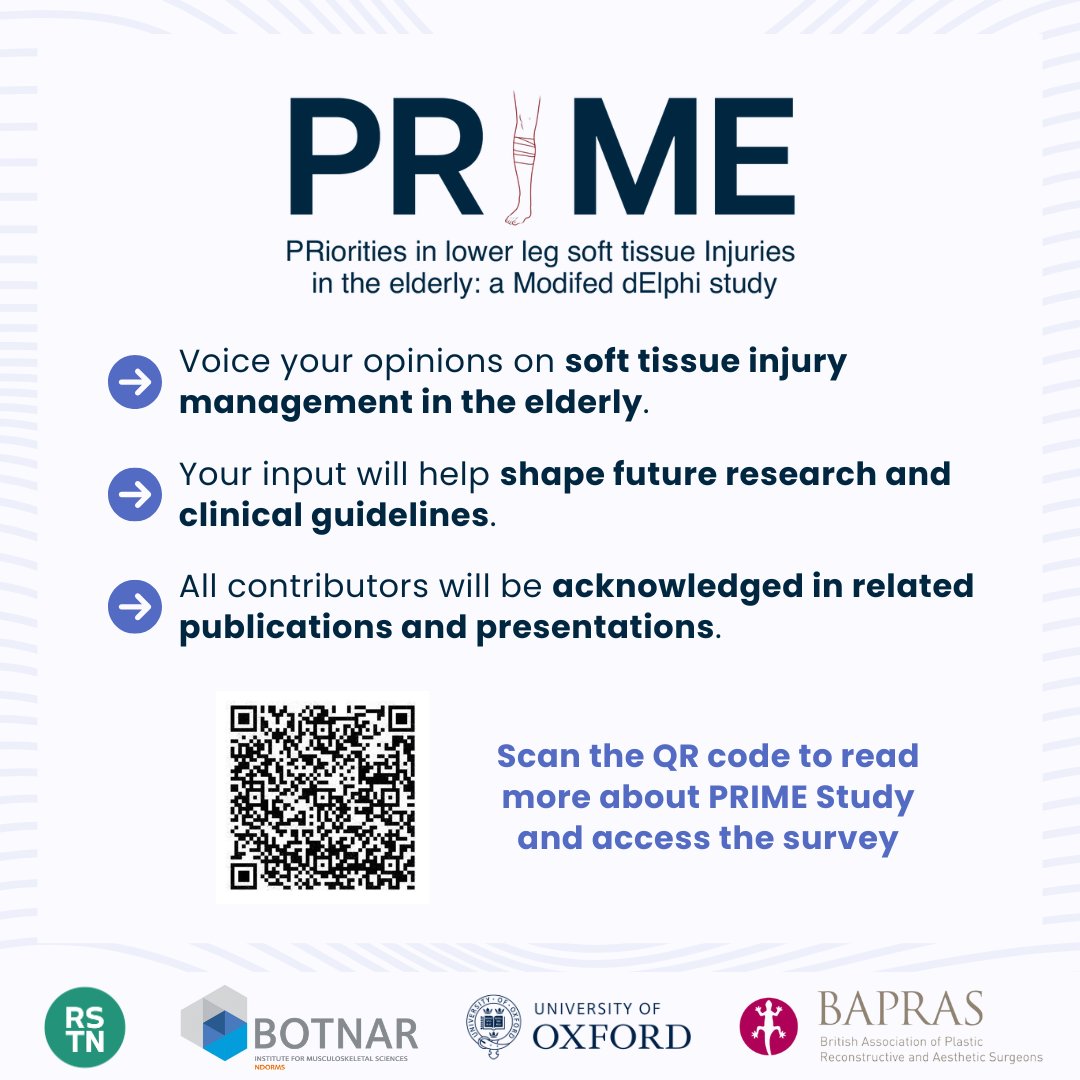
🚨 Final Round of the #PRIMEStudy is LIVE! Help shape research on lower leg soft tissue injuries in the elderly. Rank the top 8 questions in under 5 mins. 📋 All contributors will be acknowledged in publications. 🔗 redcap.link/zhve17dp #DelphiStudy #SurgicalResearch
2
2
593
APJON_AONS
This study offers practical guidance for healthcare leaders, clinicians, and policymakers working to expand equitable and effective palliative services in resource-constrained settings. sciencedirect.com/science/ar… #palliativecare #oncologynursing #sharedcaree #delphistudy
5
545
Surgery_Trials
⏰ Have your say in the PRIME Study! We’re gathering expert opinions on managing lower leg soft tissue injuries in the elderly. Still time to contribute: scan the QR or click below! #PRIMEStudy #TraumaResearch #DelphiStudy
🚨 New Research Study Alert – PRIME 🚨 We’re launching the PRIME Study and we need YOUR input! We’re focusing on a growing issue: Lower leg soft tissue injuries in the elderly 🦵👵👴 #PRIMEStudy #TraumaResearch
2
2
333
alexghionis
A heartfelt thank you to all who participated in Round 1 of our Delphi study on AI & CBW governance. Your insights were invaluable. Round 2 opens next week: please watch your inbox for the link to this penultimate round! #AI #CBW #DelphiStudy
2
128
BDAdyslexia
Interesting article on the Delphi study outcomes and using them to influence better practice: Dyslexia: the myths, the facts and how teachers can help by Julia Carroll, Caroline Holden and Maggie Snowling. Read more here: bit.ly/3BP456l #Dyslexia #Education #DelphiStudy #TeachingMethods #SpecialEducation #Literacy #TeacherTips #LearningDisabilities #EducationResearch #InclusiveEducation
3
6
917
BJSM_BMJ
🚨 Developing an exercise intervention to minimise hip bone mineral density loss following traumatic lower limb amputation NEW #DelphiStudy 📄 see the final statements to reach consensus after round 3👇 #OpenAccess ➡️ bit.ly/3Tfh32A
2
5
2,734
Srivatsa34
🚨 Tracheal Intubation in Critically Ill Adults with a Physiologically Difficult Airway: Unpacking the International Delphi Study 🚨 -PART 4a ⭐️🌟Post-Intubation Care and Ongoing Management for the Physiologically Difficult Airway (PDA) 🌟 After the intense moments of securing the airway in a critically ill patient with a physiologically difficult airway (PDA), the work is far from over. The post-intubation phase is crucial in ensuring that the patient remains stable and that the initial success of the intubation leads to positive outcomes. In this final part of the series, we’ll cover the key aspects of post-intubation care and ongoing management. 🚑 1️⃣ Securing the Airway: •Tube Position Verification: The first step after successful intubation is verifying the correct position of the endotracheal tube (ETT). Use end-tidal CO2 monitoring to confirm proper placement, as it’s the most reliable method. Auscultation of the chest and epigastrium should follow to ensure bilateral breath sounds and the absence of gastric insufflation. Remember to obtain a chest X-ray to confirm the tube’s depth and adjust if necessary. 📏 •Tube Security: Once the tube is correctly positioned, secure it firmly to prevent accidental displacement. In patients with a PDA, even minor movements can lead to critical desaturation or hemodynamic instability, so double-check the fixation, especially before transporting the patient. Use appropriate materials that won’t irritate the skin, particularly in patients who may be at risk of pressure injuries. 🔗 2️⃣ Post-Intubation Hemodynamic Management: •Monitoring: Continuous monitoring is vital. Keep a close eye on blood pressure, heart rate, SpO2, and end-tidal CO2. Consider invasive blood pressure monitoring in patients at high risk of hemodynamic compromise. Arterial lines offer real-time data and allow for repeated blood gas analysis without the need for frequent needle sticks. 📊 •Vasopressor Support: Post-intubation hypotension is common in critically ill patients, particularly those with a PDA. Have vasopressors, such as norepinephrine, readily available and consider starting them prophylactically in patients with severe shock. Titrate to maintain adequate perfusion pressures, and be prepared to adjust doses based on real-time feedback from the patient’s condition. 💉 •Fluid Management: Judicious fluid management is crucial. Avoid overloading the patient, which can worsen respiratory function, but ensure that intravascular volume is sufficient to maintain cardiac output and perfusion. In some cases, dynamic assessment tools like pulse pressure variation or stroke volume variation can guide fluid resuscitation. 🚰 3️⃣ Sedation and Analgesia: •Balanced Approach: Adequate sedation and analgesia are key to preventing agitation, which can lead to dangerous complications such as unplanned extubation or increased oxygen consumption. Use a balanced approach, combining agents like propofol, dexmedetomidine, or midazolam with opioids for pain control. Remember that each drug has different effects on hemodynamics, so tailor the regimen to the patient’s physiological status. 💊 •Sedation Targets: Set clear sedation targets using a scale like the Richmond Agitation-Sedation Scale (RASS). Aim for a level that keeps the patient calm and comfortable without over-sedating, which could mask neurological deterioration or delay weaning from the ventilator. Regularly assess and adjust sedation levels as the patient’s condition evolves. 🔄 continued #PDA #ICU #EM #Physiology #Ventilation #PatientSafety #Healthcare #CriticalCare #Intubation #AirwayManagement #DelphiStudy #CriticalCareMedicine #HealthcareInnovation #Teamwork #PatientOptimization #MedicalResearch #Intubation #MedicalInsights #patientsafetyfirst #NerdyMedicine #MedX #MedEducation #Medtwitter #FOAM #FOAMed #FOAMcc #EDIC #FFICM #FICM #FCICM #IDCCM #IFCCM #CTCCM #criticalcarereviews @CritCareReviews @Drnasap @srinivas3271 @RanjitUnnikris1
🚨 Tracheal Intubation in Critically Ill Adults with a Physiologically Difficult Airway: Unpacking the International Delphi Study 🚨 -PART 3b 3️⃣ Troubleshooting During PDA Intubation: •Failure to Oxygenate: (Use Vortex approach-always stay in Green zone 🧑‍🎤) Despite optimal efforts, there might be instances where oxygenation is not improving. Re-evaluate the patient’s positioning, ensure adequate pre-oxygenation, and consider using apneic oxygenation techniques, such as placing nasal cannulae at 15 L/min during the procedure. If SpO2 remains critically low, consider postponing the intubation and improving the patient’s oxygenation status through other means, such as non-invasive ventilation (NIV) or high-flow nasal oxygen (HFNO). 🌬️ •Hypotension Post-Intubation: Hypotension can occur due to a variety of factors, including the effects of induction agents, loss of sympathetic tone, or increased intrathoracic pressure. Have vasopressors ready to administer immediately post-intubation. Start with small, titratable doses and monitor the patient’s response closely. In severe cases, consider starting a vasopressor infusion beforehand if hypotension is anticipated. 💉 •Difficult Tube Placement: If you’re struggling with tube placement, don’t hesitate to call for help. A second pair of hands, whether it’s another experienced clinician or an anesthesia provider, can offer a fresh perspective or assist with a difficult maneuver. Sometimes, just a slight change in technique or the use of a different tool can make a significant difference. 🙋 4️⃣ Post-Intubation Management: •Secure the Airway: After successful intubation, secure the endotracheal tube (ETT) firmly to prevent accidental dislodgement. Confirm placement with end-tidal CO2 monitoring and auscultation. Recheck the tube position and depth, especially after patient repositioning or transport. 🔗 •Ongoing Sedation and Analgesia: In PDA patients, appropriate sedation and analgesia are critical to prevent agitation, which can lead to increased oxygen consumption or hemodynamic instability. Use a balanced approach, combining sedatives with analgesics to achieve comfort without excessive sedation, thus maintaining hemodynamic stability. 💤 •Monitor for Complications: Post-intubation complications, such as barotrauma, ventilator-associated pneumonia, or unrecognized esophageal intubation, can be devastating. Continuous monitoring, including chest x-rays, blood gases, and regular reassessment, is essential to detect and address these issues early. 🩺 Stay tuned for Part 4, where we’ll delve into the vital aspects of post-intubation care and ongoing management for patients with a physiologically difficult airway, ensuring that the initial success of intubation translates into long-term stability and recovery. 🌐 #CriticalCare #Intubation #AirwayManagement #PDA #ICU #EmergencyMedicine #Physiology #Ventilation #PatientSafety #Healthcare
13
23
3,565
Srivatsa34
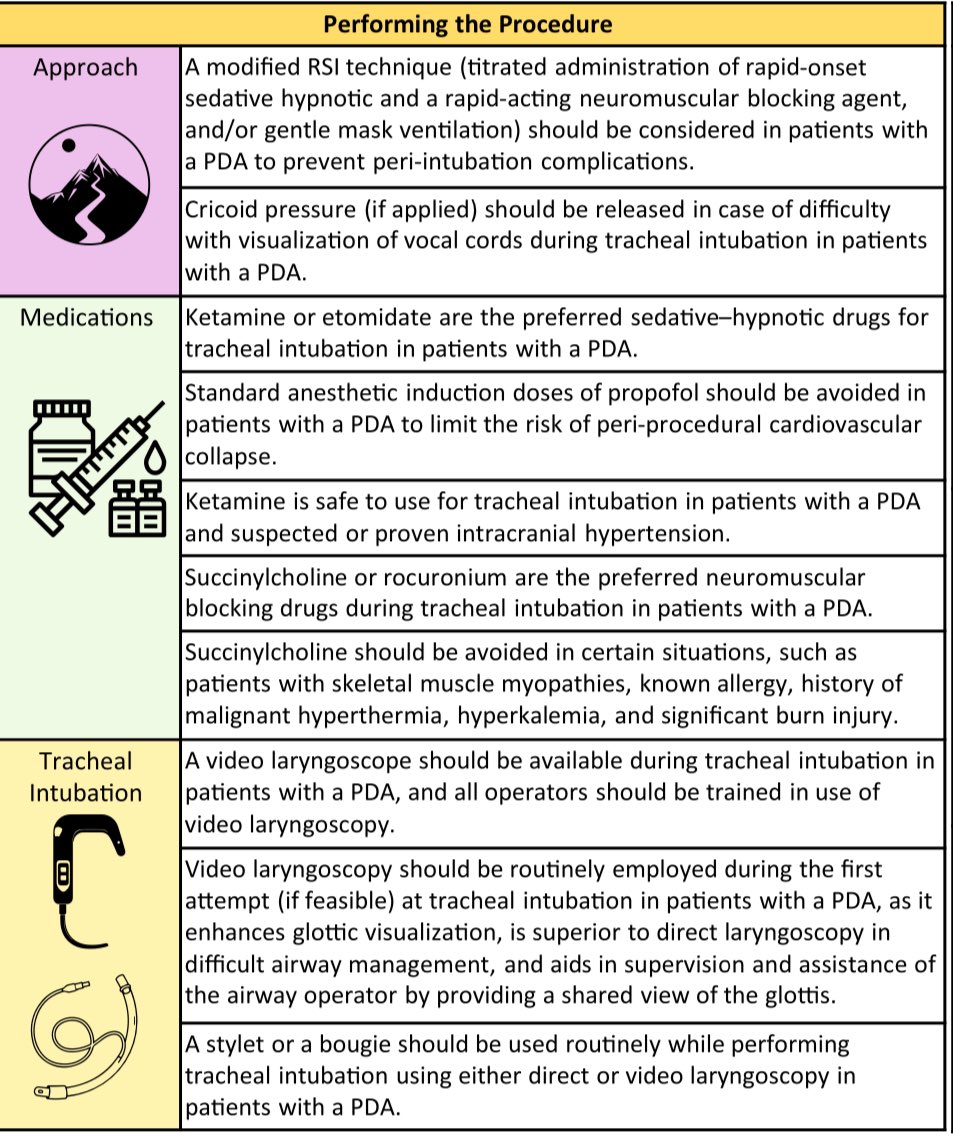
🚨 Tracheal Intubation in Critically Ill Adults with a Physiologically Difficult Airway: Unpacking the International Delphi Study 🚨 -PART 3 🔧 Mastering the Procedure - Tools 🛠️ 🧰 & Techniques in PDA Intubation In tracheal intubation, especially when managing a physiologically difficult airway (PDA), success isn’t just about getting the tube in place—it’s about doing so with minimal complications and optimizing patient outcomes. Here, we dive into the nitty-gritty of performing the procedure, focusing on the tools, techniques, and strategies that can help navigate these high-risk situations. 1️⃣ Performance of the Procedure: •Pre-Intubation Briefing👬🪑🧑‍🤝‍🧑: Before initiating the procedure, conduct a final briefing with your team. Review the plan, including the choice of induction agents, the anticipated challenges, and the backup strategies if the primary plan fails. This is the moment to double-check that everyone is aligned and ready. 📝 •Selection of Induction Agents: Tailoring induction agents to the patient’s physiology is crucial. For instance, in hemodynamically unstable patients, use agents that provide rapid onset without significant drops in blood pressure, such as ketamine or etomidate. These agents help in maintaining hemodynamic stability while facilitating smooth intubation. 💉 •RSI vs. Modified RSI: While Rapid Sequence Intubation (RSI) is a standard approach, in PDA cases, a modified approach might be more appropriate. For instance, in severely hypoxemic patients, delaying the administration of the paralytic agent until after the airway is secured could prevent a disastrous desaturation event. Adapt your technique to the patient’s unique physiology. 🕹️ 2️⃣ Use of Devices and Tools to Aid Tracheal Intubation (Continued): •Video Laryngoscopy: A game-changer in the management of difficult airways, video laryngoscopy provides an enhanced view of the glottis, improving the success rate of intubation, particularly in cases where direct laryngoscopy might be challenging. In PDA situations, where every second counts, the broader view and increased distance between the blade and the vocal cords can make all the difference. 📹 •Bougie or Stylet: In cases where the airway anatomy is altered or the glottis is partially obscured, a bougie can serve as a tactile guide, allowing you to feel your way into the trachea. A stylet, especially when pre-shaped to match the airway anatomy, can also be invaluable, providing the necessary stiffness to guide the tube into place. These tools should be readily available and used without hesitation when facing a challenging intubation. 🛠️ •Supraglottic Airway Devices (SADs): When intubation fails, SADs such as the laryngeal mask airway (LMA) serve as critical rescue devices. While they are not definitive solutions, they can temporarily secure the airway, allowing for oxygenation while preparing for an alternative intubation strategy or considering surgical airway options. 🔄 •Cricothyrotomy Kit: In the rare but critical “can’t intubate, can’t ventilate” scenario, a cricothyrotomy kit should be immediately available. Familiarity with the equipment and procedure is essential for all team members, as timely execution could be lifesaving. Training and regular drills on surgical airway management should be part of your department’s protocol. 🚨 #PDA #ICU #EM #Physiology #Ventilation #PatientSafety #Healthcare #CriticalCare #Intubation #AirwayManagement #DelphiStudy #CriticalCareMedicine #HealthcareInnovation #Teamwork #PatientOptimization #MedicalResearch #CriticalCare #Intubation #AirwayManagement #PhysiologicallyDifficultAirway #DelphiStudy #CriticalCareMedicine #Healthcare #PatientSafety #MedicalInsights #StayTuned #Part2ComingSoon #complication #patientsafetyfirst #NerdyMedicine #MedX #MedEducation #Medtwitter #FOAM #FOAMed #FOAMcc #EDIC #FFICM #FICM #FCICM #IDCCM #IFCCM #CTCCM #criticalcarereviews @CritCareReviews @Drnasap @srinivas3271 @RanjitUnnikris1
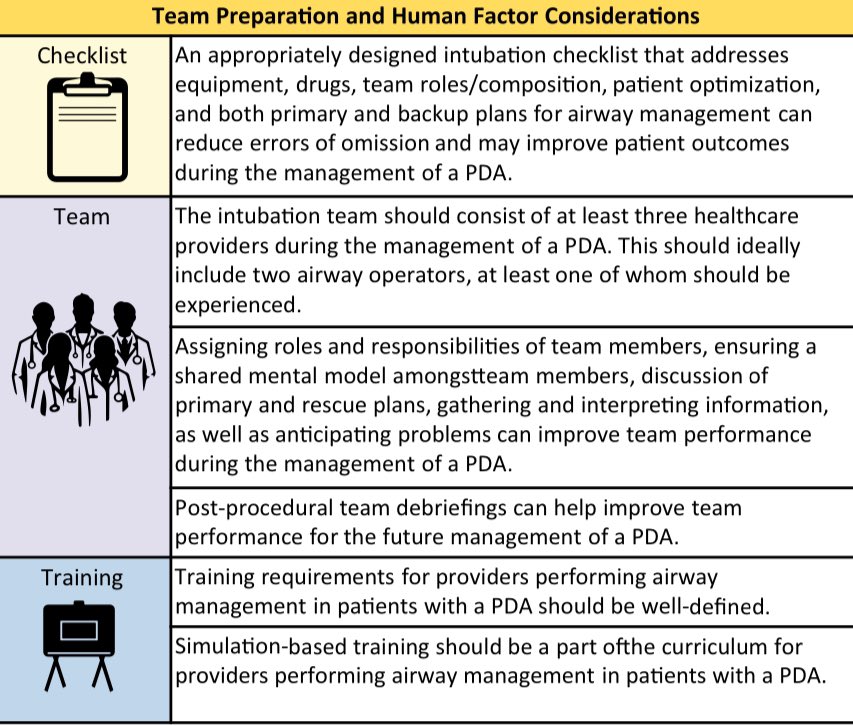
🚨 Tracheal Intubation in Critically Ill Adults with a Physiologically Difficult Airway: Unpacking the International Delphi Study 🚨 -PART 2 👨‍🎨🎨The Art of Preparation - Equipping Your Team for Success🖌️🎨 Preparation🗝️🔑 is the cornerstone of success in managing a physiologically difficult airway. In such high-stakes situations, every detail matters. A well-prepared team, patient optimization, and strategic planning are critical to minimizing risks. 1️⃣ Team Preparation👫👬👭🧑‍🤝‍🧑: Effective airway management in a PDA scenario requires a coordinated team effort. Here’s how you can ensure your team is ready: •Clear Roles and Responsibilities: Before the procedure, clarify the role of each team member. From the lead operator to the assistant and the person responsible for monitoring, everyone should know their specific tasks. 🧑‍🤝‍🧑 •Scenario Rehearsals: Conducting mock scenarios or simulations helps the team anticipate potential complications. These rehearsals allow team members to practice their responses in a controlled environment, ensuring they’re well-prepared when the real thing happens. 🎭 •Communication Protocols: Establish clear communication protocols to avoid confusion during the procedure. This includes closed-loop communication, where orders are repeated back to confirm understanding, and using standardized terminology to prevent misunderstandings. 📢 2️⃣ Patient Preparation and Optimization: Patient optimization is key to mitigating the risks associated with PDA. This process involves several steps: •Comprehensive Airway Assessment: Use tools like ultrasound or capnography to gain a detailed understanding of the patient’s airway anatomy and physiology. Identifying potential challenges early allows for better planning and can reduce the likelihood of failed intubation attempts. 🔬 •Hemodynamic Monitoring: Continuous hemodynamic monitoring is crucial, particularly in patients with existing cardiovascular instability. Using invasive or non-invasive monitoring methods, track vital signs such as blood pressure, heart rate, and cardiac output to detect and manage complications early. This vigilance helps to preempt adverse events like peri-intubation hypotension or cardiac arrest. 🩺 •Peri-Intubation Oxygenation Strategies: Optimize oxygenation before, during, and after intubation. Techniques such as pre-oxygenation with high-flow nasal cannula or non-invasive ventilation can help maximize oxygen reserves. Apneic oxygenation during laryngoscopy is another strategy to maintain oxygenation levels during the critical seconds of airway management. 🌬️ •Patient Positioning: Proper positioning is more than just comfort; it can make the difference between a successful and a failed intubation. Use the “ramped” position for obese patients or the “sniffing” position for those with difficult airways to improve visualization and access to the airway. Proper positioning also helps in preventing complications like regurgitation and aspiration. 🛌 These steps form the backbone of a successful PDA intubation strategy. However, even with the best preparation, the procedure itself presents significant challenges. 🔜 Stay tuned for Part 3! We’ll dive into the intricacies of performing the intubation, including the use of advanced tools, techniques, and troubleshooting strategies that can make all the difference in critical moments. 🛠️ #CriticalCare #Intubation #AirwayManagement #DelphiStudy #PatientSafety #CriticalCareMedicine #HealthcareInnovation #Teamwork #PatientOptimization #MedicalResearch #CriticalCare #Intubation #AirwayManagement #PhysiologicallyDifficultAirway #DelphiStudy #ICU #CriticalCareMedicine #Healthcare #PatientSafety #MedicalInsights #StayTuned #Part2ComingSoon #complication #patientsafetyfirst #NerdyMedicine #MedX #MedEducation #Medtwitter #FOAM #FOAMed #FOAMcc #EDIC #FFICM #FICM #FCICM #IDCCM #IFCCM #CTCCM #criticalcarereviews @CritCareReviews @Drnasap @srinivas3271 @RanjitUnnikris1
3
5
4,491
Srivatsa34
🚨 Tracheal Intubation in Critically Ill Adults with a Physiologically Difficult Airway: Unpacking the International Delphi Study 🚨 -PART 2 👨‍🎨🎨The Art of Preparation - Equipping Your Team for Success🖌️🎨 Preparation🗝️🔑 is the cornerstone of success in managing a physiologically difficult airway. In such high-stakes situations, every detail matters. A well-prepared team, patient optimization, and strategic planning are critical to minimizing risks. 1️⃣ Team Preparation👫👬👭🧑‍🤝‍🧑: Effective airway management in a PDA scenario requires a coordinated team effort. Here’s how you can ensure your team is ready: •Clear Roles and Responsibilities: Before the procedure, clarify the role of each team member. From the lead operator to the assistant and the person responsible for monitoring, everyone should know their specific tasks. 🧑‍🤝‍🧑 •Scenario Rehearsals: Conducting mock scenarios or simulations helps the team anticipate potential complications. These rehearsals allow team members to practice their responses in a controlled environment, ensuring they’re well-prepared when the real thing happens. 🎭 •Communication Protocols: Establish clear communication protocols to avoid confusion during the procedure. This includes closed-loop communication, where orders are repeated back to confirm understanding, and using standardized terminology to prevent misunderstandings. 📢 2️⃣ Patient Preparation and Optimization: Patient optimization is key to mitigating the risks associated with PDA. This process involves several steps: •Comprehensive Airway Assessment: Use tools like ultrasound or capnography to gain a detailed understanding of the patient’s airway anatomy and physiology. Identifying potential challenges early allows for better planning and can reduce the likelihood of failed intubation attempts. 🔬 •Hemodynamic Monitoring: Continuous hemodynamic monitoring is crucial, particularly in patients with existing cardiovascular instability. Using invasive or non-invasive monitoring methods, track vital signs such as blood pressure, heart rate, and cardiac output to detect and manage complications early. This vigilance helps to preempt adverse events like peri-intubation hypotension or cardiac arrest. 🩺 •Peri-Intubation Oxygenation Strategies: Optimize oxygenation before, during, and after intubation. Techniques such as pre-oxygenation with high-flow nasal cannula or non-invasive ventilation can help maximize oxygen reserves. Apneic oxygenation during laryngoscopy is another strategy to maintain oxygenation levels during the critical seconds of airway management. 🌬️ •Patient Positioning: Proper positioning is more than just comfort; it can make the difference between a successful and a failed intubation. Use the “ramped” position for obese patients or the “sniffing” position for those with difficult airways to improve visualization and access to the airway. Proper positioning also helps in preventing complications like regurgitation and aspiration. 🛌 These steps form the backbone of a successful PDA intubation strategy. However, even with the best preparation, the procedure itself presents significant challenges. 🔜 Stay tuned for Part 3! We’ll dive into the intricacies of performing the intubation, including the use of advanced tools, techniques, and troubleshooting strategies that can make all the difference in critical moments. 🛠️ #CriticalCare #Intubation #AirwayManagement #DelphiStudy #PatientSafety #CriticalCareMedicine #HealthcareInnovation #Teamwork #PatientOptimization #MedicalResearch #CriticalCare #Intubation #AirwayManagement #PhysiologicallyDifficultAirway #DelphiStudy #ICU #CriticalCareMedicine #Healthcare #PatientSafety #MedicalInsights #StayTuned #Part2ComingSoon #complication #patientsafetyfirst #NerdyMedicine #MedX #MedEducation #Medtwitter #FOAM #FOAMed #FOAMcc #EDIC #FFICM #FICM #FCICM #IDCCM #IFCCM #CTCCM #criticalcarereviews @CritCareReviews @Drnasap @srinivas3271 @RanjitUnnikris1
🚨 Tracheal Intubation in Critically Ill Adults with a Physiologically Difficult Airway: Unpacking the International Delphi Study 🚨 In the critical care setting, managing airways is a high-stakes game. But when faced with a physiologically difficult airway (PDA), the risks escalate, making every decision crucial. The International Delphi Study offers invaluable insights into navigating these complex scenarios, emphasizing the need for a tailored approach to tracheal intubation in critically ill adults. 🌍📚 🔍 Part 1: Defining and Understanding Physiologically Difficult Airway The concept of a physiologically difficult airway (PDA) isn’t as straightforward as an anatomically difficult airway. Here, the challenge lies not only in securing the airway but in managing the patient’s underlying pathophysiology. So, what exactly constitutes a PDA? 1️⃣ Constituents of a PDA: •Severe Hypoxemia: When oxygen saturation drops dangerously low, the margin for error becomes razor-thin. Even brief periods of hypoxemia can lead to catastrophic outcomes, particularly in patients with pre-existing respiratory compromise. 😷 •Severe Acidosis (Metabolic or Respiratory): Acidosis complicates the intubation process by altering the patient’s hemodynamic status and response to medications. The shift in pH can reduce myocardial contractility, increase the risk of arrhythmias, and exacerbate hypotension. ⚠️ •Hemodynamic Instability (Shock): Patients in shock are at an increased risk of peri-intubation cardiac arrest. The delicate balance between maintaining perfusion and managing the airway makes these cases particularly challenging. 💔 These factors interact in complex ways, making the airway management process a race against time. Recognizing these physiological stressors is the first step in preventing a crisis. 2️⃣ Factors That Increase Risk in PDA: •Pre-existing Cardiac or Respiratory Conditions: Patients with underlying heart or lung disease are at higher risk of adverse events during intubation. These conditions exacerbate the physiological challenges posed by PDA, making meticulous preparation and planning essential. 🫀🫁 •Sepsis and Septic Shock: Sepsis-induced cardiovascular instability heightens the risk of hypotension during intubation. The inflammatory response also increases the risk of airway edema, complicating the procedure further. 🌡️ •Polypharmacy: Critically ill patients often have a complex medication regimen that can influence their response to anesthetic agents, muscle relaxants, and vasopressors. Drug interactions can precipitate unforeseen complications, necessitating careful consideration of drug choices. 💊 •Severe Obesity: Obese patients often have reduced respiratory reserve and may be more challenging to intubate due to difficult airway anatomy and limited positioning options. This demographic also tends to have comorbidities that complicate airway management. 🏋️‍♂️ Understanding these factors is essential for clinicians to anticipate and mitigate risks during the intubation process. However, recognizing a PDA is just the beginning. link.springer.com/article/10… The next step is to ensure your team is prepared for the unique challenges that lie ahead. Stay tuned for next part on “The Art of Preparation” #CriticalCare #Intubation #AirwayManagement #PhysiologicallyDifficultAirway #DelphiStudy #ICU #CriticalCareMedicine #Healthcare #PatientSafety #MedicalInsights #StayTuned #Part2ComingSoon #complication #patientsafetyfirst #NerdyMedicine #MedX #MedEducation #Medtwitter #FOAM #FOAMed #FOAMcc #EDIC #FFICM #FICM #FCICM #IDCCM #IFCCM #CTCCM #criticalcarereviews @CritCareReviews Thank you @Drnasap sir and others for excellent insights
1
12
40
7,775
Srivatsa34
🚨 Tracheal Intubation in Critically Ill Adults with a Physiologically Difficult Airway: Unpacking the International Delphi Study 🚨 In the critical care setting, managing airways is a high-stakes game. But when faced with a physiologically difficult airway (PDA), the risks escalate, making every decision crucial. The International Delphi Study offers invaluable insights into navigating these complex scenarios, emphasizing the need for a tailored approach to tracheal intubation in critically ill adults. 🌍📚 🔍 Part 1: Defining and Understanding Physiologically Difficult Airway The concept of a physiologically difficult airway (PDA) isn’t as straightforward as an anatomically difficult airway. Here, the challenge lies not only in securing the airway but in managing the patient’s underlying pathophysiology. So, what exactly constitutes a PDA? 1️⃣ Constituents of a PDA: •Severe Hypoxemia: When oxygen saturation drops dangerously low, the margin for error becomes razor-thin. Even brief periods of hypoxemia can lead to catastrophic outcomes, particularly in patients with pre-existing respiratory compromise. 😷 •Severe Acidosis (Metabolic or Respiratory): Acidosis complicates the intubation process by altering the patient’s hemodynamic status and response to medications. The shift in pH can reduce myocardial contractility, increase the risk of arrhythmias, and exacerbate hypotension. ⚠️ •Hemodynamic Instability (Shock): Patients in shock are at an increased risk of peri-intubation cardiac arrest. The delicate balance between maintaining perfusion and managing the airway makes these cases particularly challenging. 💔 These factors interact in complex ways, making the airway management process a race against time. Recognizing these physiological stressors is the first step in preventing a crisis. 2️⃣ Factors That Increase Risk in PDA: •Pre-existing Cardiac or Respiratory Conditions: Patients with underlying heart or lung disease are at higher risk of adverse events during intubation. These conditions exacerbate the physiological challenges posed by PDA, making meticulous preparation and planning essential. 🫀🫁 •Sepsis and Septic Shock: Sepsis-induced cardiovascular instability heightens the risk of hypotension during intubation. The inflammatory response also increases the risk of airway edema, complicating the procedure further. 🌡️ •Polypharmacy: Critically ill patients often have a complex medication regimen that can influence their response to anesthetic agents, muscle relaxants, and vasopressors. Drug interactions can precipitate unforeseen complications, necessitating careful consideration of drug choices. 💊 •Severe Obesity: Obese patients often have reduced respiratory reserve and may be more challenging to intubate due to difficult airway anatomy and limited positioning options. This demographic also tends to have comorbidities that complicate airway management. 🏋️‍♂️ Understanding these factors is essential for clinicians to anticipate and mitigate risks during the intubation process. However, recognizing a PDA is just the beginning. link.springer.com/article/10… The next step is to ensure your team is prepared for the unique challenges that lie ahead. Stay tuned for next part on “The Art of Preparation” #CriticalCare #Intubation #AirwayManagement #PhysiologicallyDifficultAirway #DelphiStudy #ICU #CriticalCareMedicine #Healthcare #PatientSafety #MedicalInsights #StayTuned #Part2ComingSoon #complication #patientsafetyfirst #NerdyMedicine #MedX #MedEducation #Medtwitter #FOAM #FOAMed #FOAMcc #EDIC #FFICM #FICM #FCICM #IDCCM #IFCCM #CTCCM #criticalcarereviews @CritCareReviews Thank you @Drnasap sir and others for excellent insights
19
52
11,898
UCD_CDS
2/4 First up, @de_eilin's excellent #delphistudy on transitions to adult life. Uses #universaldesign to include the voices of young adults with ID. Thanks to @IrishResearch and @StMichaelsHouse for supporting the research! @UCDPsychology @ucdsocscilaw
2
7
111
BMJ_Open
A new #delphistudy has "provided the basis for six recommendations to improve the selection, design and implementation of" guidelines for #kidney care bit.ly/3XwEqI0 @drjamesburton @ukkidney
3
5
923