Filter
Exclude
Time range
-
Near
dailytechonx
Apple's Mac mini and Mac Studio are now top choices for AI workloads. With strategic chip design and a shift towards on-device processing, these machines offer developers control and continuous operation. Apple's integration of hardware and software enhances AI performance across its product range. #Apple #MacMini #MacStudio #AI #OnDeviceAI #TechNews thedailytechfeed.com/apples-โ€ฆ
12
Jinx_Huang
I am at ICML 2026 in Seoul this week ๐Ÿ‡ฐ๐Ÿ‡ท If youโ€™re interested in trustworthy on-device AI, feel free to leave a comment. Happy to catch up at the conference! #ICML2026 #OnDeviceAI #TrustworthyAI #MobileAI #AISecurity #MachineLearning #Seoul
1
74
windowsforum
๐Ÿš€ Phone storage going UFS 5.0 means your AI isnโ€™t โ€œcloud-only mood musicโ€ anymoreโ€”it can actually crunch locally. Greatโ€ฆ now letโ€™s get Windows PCs to stop booting like itโ€™s 2012. windowsforum.com/threads/samโ€ฆ #OnDeviceAi #Ufs50 #PhoneStorage #JedecStandard
6
EswarVenigalla
Everyone's obsessed with "token-maxing" their prompts. Longer context, more instructions, walls of text. I think it's backwards. Every token you burn over-explaining is compute the model isn't spending on actual reasoning. Now look at how Gen Z and Alpha communicate. They've compressed entire emotions, context, and tone into a handful of characters. Arguably, the most information-dense language humans have ever used. So here's the question I can't shake: is that compressed, low-effort style actually a preview of the most efficient way to talk to AI? Say less, let the model think more. Curious what people building with these models think. #AI #PromptEngineering #GenerativeAI #LLMs #AIEngineering #OnDeviceAI #FutureOfWork
11
EswarVenigalla
Quick ask for the engineers, scientists, researchers, and builders here. I want to properly understand two things: how network traffic really works, how to see what's moving across a network, and how data travels through an AI system, from what someone types to what leaves the machine. Papers only teach so much. The good stuff usually comes from people who've run these systems in the real world. If you had to hand someone the resources that really taught you this, what would they be? Books, talks, or lessons from experience, all good. I'll collect what comes in and share it back. #Networking #Observability #LLMs #AIEngineering #OnDeviceAI #Privacy
1
18
systems_first
๐ŸŸฃ Samsung Unveils UFS 5.0 for the AI Era Samsung has introduced UFS 5.0, its next-generation storage technology, offering up to 10.8 GB/s read speeds, 9.5 GB/s write speeds, and over 40% lower power consumption. The smaller, more efficient design is built for on-device AI and could eventually replace M.2 SSDs in some thin laptops and AI-focused devices. ๐Ÿ“ก Tracked by PageWatcher.app #Samsung #UFS5 #AI #Storage #Semiconductors #Hardware #OnDeviceAI #PageWatcher
2
47
windowsforum
๐Ÿค– Googleโ€™s making on-device AI feel โ€œnative,โ€ while Microsoft still ships AI as an accessory. Android 17 Gemma = less cloud dependency, more actual usefulness. Windows? please catch up. #Windows #Microsoft #Android #AI windowsforum.com/threads/andโ€ฆ #OnDeviceAi #Android17 #Gemma4
32
TAMPICTG87
AI Era: Core Terminal Ecosystem Positioning and User Insights This report reframes AI hardware as terminals where AI is deeply integrated into system architecture, interaction models, and value creation, rather than merely being an added-on feature. Its core premise is that the terminal gateway is shifting from a passive "application container" to a "Personal Intelligence Domain" capable of continuous perception, memory, decision-making, and action. 1. The Terminal Ecosystem Framework The report proposes a strategic division of labor among core hardware: Smart Glasses: Responsible for 24/7 environmental perception. Smartphones: Act as the hub for personal memory and directional decision-making. PCs: Function as nodes for local privacy, workflow management, and private knowledge repositories. Cloud: Manages complex reasoning and provides access to the latest global knowledge. 2. Consumer Insights and Behavioral Gaps High Awareness, Conditional Willingness: Over 90% of consumers are aware of AI products, and 62% have used them. However, the reportโ€™s conclusion that AI is a "key purchasing factor" needs nuance: AI functions act as a "tie-breaker" (key added value) for 44% of users, while only 14% view it as a primary "deciding factor." Primary Concerns: The report identifies a "usability gap." Consumers prioritize convenience (41%), smart interaction (30%), and entertainment (29%), but their purchasing friction remains driven by utility, privacy/security, and battery life. Credibility: While the qualitative framework is robust, the quantitative data (consumer preferences, purchase drivers) relies on proprietary surveys without fully disclosed methodology (e.g., sample weights, confidence intervals). The figures should be used as directional signals rather than audited market data. Analysis and Perspective The reportโ€™s primary value is identifying that AI hardware competition is not just about "specs"โ€”it is about "task-chain control rights." The Control Paradox: The "Personal Intelligence Domain" is ultimately a competition over system permissions, model access, data retention, account ecosystems, and payment relationships. He who controls the user's "contextual awareness" captures the gateway. Utility vs. Gimmickry: A major blind spot is the assumption that AI-labeled features automatically justify price premiums. Consumers pay for verified task-completion loops (e.g., automated call summarization, cross-app automation, local privacy handling), not for the label of "AI-Native." Without quantifiable utility, AI functions risk being relegated to marketing gimmicks. Strategic Recommendations Avoid the "Feature-Stacking" Trap: Hardware manufacturers should stop focusing solely on model parameter counts. Priority should be given to: Cross-Device Task Continuity: Designing workflows that move seamlessly between glasses, phones, and PCs. Privacy Boundaries: Establishing transparent "local-first" processing for sensitive data. Power/Performance Balance: Managing the battery drain inherent in edge AI processing. Differentiate by Device Role: Smartphones: Focus on being the "Orchestration Hub." PCs: Lean into "High-Intensity Privacy/Knowledge Nodes." Glasses: Prioritize "Real-time Perception and Non-intrusive Interaction." Investment and Product Strategy: Use this report as a product positioning and ecosystem framework, not as a source for market-size forecasting or stock valuation. Any decision to adjust pricing based on "AI-Native" claims should be stress-tested against the report's identified obstacles: utility, privacy, and battery life. Conclusion: The competition in the AI terminal era is not about one device replacing all others; it is about building a cohesive "Distributed Personal Intelligence" system. The winner will be the entity that can unify these devices under a singular, measurable user-benefit framework, transforming AI from a feature into a fundamental utility. Keywords #AIHardware #AITerminals #AISmartphone #AIPC #AIGlasses #EdgeAI #OnDeviceAI #Agent #AINative #PersonalIntelligenceDomain #MultiDeviceCollaboration #DistributedComputing #PrivateKnowledgeBase #LocalRAG #PrivacySecurity #BatteryAnxiety #AIPricingPower #PurchaseDecision #SmartInteraction #Convenience #MultimodalInteraction #SmartGlassSubsidy #ARGlasses #UserInsights #ConsumerElectronics #AIEcosystem #CloudEdgeCollaboration #PersonalMemory #AIEntryPoints #HardwareGateway
1
2
81
TAMPICTG87
AI Era: Core Terminal Ecosystem Positioning and User Insights This report reframes AI hardware as terminals where AI is deeply integrated into system architecture, interaction models, and value creation, rather than merely being an added-on feature. Its core premise is that the terminal gateway is shifting from a passive "application container" to a "Personal Intelligence Domain" capable of continuous perception, memory, decision-making, and action. 1. The Terminal Ecosystem Framework The report proposes a strategic division of labor among core hardware: Smart Glasses: Responsible for 24/7 environmental perception. Smartphones: Act as the hub for personal memory and directional decision-making. PCs: Function as nodes for local privacy, workflow management, and private knowledge repositories. Cloud: Manages complex reasoning and provides access to the latest global knowledge. 2. Consumer Insights and Behavioral Gaps High Awareness, Conditional Willingness: Over 90% of consumers are aware of AI products, and 62% have used them. However, the reportโ€™s conclusion that AI is a "key purchasing factor" needs nuance: AI functions act as a "tie-breaker" (key added value) for 44% of users, while only 14% view it as a primary "deciding factor." Primary Concerns: The report identifies a "usability gap." Consumers prioritize convenience (41%), smart interaction (30%), and entertainment (29%), but their purchasing friction remains driven by utility, privacy/security, and battery life. Credibility: While the qualitative framework is robust, the quantitative data (consumer preferences, purchase drivers) relies on proprietary surveys without fully disclosed methodology (e.g., sample weights, confidence intervals). The figures should be used as directional signals rather than audited market data. Analysis and Perspective The reportโ€™s primary value is identifying that AI hardware competition is not just about "specs"โ€”it is about "task-chain control rights." The Control Paradox: The "Personal Intelligence Domain" is ultimately a competition over system permissions, model access, data retention, account ecosystems, and payment relationships. He who controls the user's "contextual awareness" captures the gateway. Utility vs. Gimmickry: A major blind spot is the assumption that AI-labeled features automatically justify price premiums. Consumers pay for verified task-completion loops (e.g., automated call summarization, cross-app automation, local privacy handling), not for the label of "AI-Native." Without quantifiable utility, AI functions risk being relegated to marketing gimmicks. Strategic Recommendations Avoid the "Feature-Stacking" Trap: Hardware manufacturers should stop focusing solely on model parameter counts. Priority should be given to: Cross-Device Task Continuity: Designing workflows that move seamlessly between glasses, phones, and PCs. Privacy Boundaries: Establishing transparent "local-first" processing for sensitive data. Power/Performance Balance: Managing the battery drain inherent in edge AI processing. Differentiate by Device Role: Smartphones: Focus on being the "Orchestration Hub." PCs: Lean into "High-Intensity Privacy/Knowledge Nodes." Glasses: Prioritize "Real-time Perception and Non-intrusive Interaction." Investment and Product Strategy: Use this report as a product positioning and ecosystem framework, not as a source for market-size forecasting or stock valuation. Any decision to adjust pricing based on "AI-Native" claims should be stress-tested against the report's identified obstacles: utility, privacy, and battery life. Conclusion: The competition in the AI terminal era is not about one device replacing all others; it is about building a cohesive "Distributed Personal Intelligence" system. The winner will be the entity that can unify these devices under a singular, measurable user-benefit framework, transforming AI from a feature into a fundamental utility. Keywords #AIHardware #AITerminals #AISmartphone #AIPC #AIGlasses #EdgeAI #OnDeviceAI #Agent #AINative #PersonalIntelligenceDomain #MultiDeviceCollaboration #DistributedComputing #PrivateKnowledgeBase #LocalRAG #PrivacySecurity #BatteryAnxiety #AIPricingPower #PurchaseDecision #SmartInteraction #Convenience #MultimodalInteraction #SmartGlassSubsidy #ARGlasses #UserInsights #ConsumerElectronics
1
2
51
TAMPICTG87
AI Era: Core Terminal Ecosystem Positioning and User Insights This report reframes AI hardware as terminals where AI is deeply integrated into system architecture, interaction models, and value creation, rather than merely being an added-on feature. Its core premise is that the terminal gateway is shifting from a passive "application container" to a "Personal Intelligence Domain" capable of continuous perception, memory, decision-making, and action. 1. The Terminal Ecosystem Framework The report proposes a strategic division of labor among core hardware: Smart Glasses: Responsible for 24/7 environmental perception. Smartphones: Act as the hub for personal memory and directional decision-making. PCs: Function as nodes for local privacy, workflow management, and private knowledge repositories. Cloud: Manages complex reasoning and provides access to the latest global knowledge. 2. Consumer Insights and Behavioral Gaps High Awareness, Conditional Willingness: Over 90% of consumers are aware of AI products, and 62% have used them. However, the reportโ€™s conclusion that AI is a "key purchasing factor" needs nuance: AI functions act as a "tie-breaker" (key added value) for 44% of users, while only 14% view it as a primary "deciding factor." Primary Concerns: The report identifies a "usability gap." Consumers prioritize convenience (41%), smart interaction (30%), and entertainment (29%), but their purchasing friction remains driven by utility, privacy/security, and battery life. Credibility: While the qualitative framework is robust, the quantitative data (consumer preferences, purchase drivers) relies on proprietary surveys without fully disclosed methodology (e.g., sample weights, confidence intervals). The figures should be used as directional signals rather than audited market data. Analysis and Perspective The reportโ€™s primary value is identifying that AI hardware competition is not just about "specs"โ€”it is about "task-chain control rights." The Control Paradox: The "Personal Intelligence Domain" is ultimately a competition over system permissions, model access, data retention, account ecosystems, and payment relationships. He who controls the user's "contextual awareness" captures the gateway. Utility vs. Gimmickry: A major blind spot is the assumption that AI-labeled features automatically justify price premiums. Consumers pay for verified task-completion loops (e.g., automated call summarization, cross-app automation, local privacy handling), not for the label of "AI-Native." Without quantifiable utility, AI functions risk being relegated to marketing gimmicks. Strategic Recommendations Avoid the "Feature-Stacking" Trap: Hardware manufacturers should stop focusing solely on model parameter counts. Priority should be given to: Cross-Device Task Continuity: Designing workflows that move seamlessly between glasses, phones, and PCs. Privacy Boundaries: Establishing transparent "local-first" processing for sensitive data. Power/Performance Balance: Managing the battery drain inherent in edge AI processing. Differentiate by Device Role: Smartphones: Focus on being the "Orchestration Hub." PCs: Lean into "High-Intensity Privacy/Knowledge Nodes." Glasses: Prioritize "Real-time Perception and Non-intrusive Interaction." Investment and Product Strategy: Use this report as a product positioning and ecosystem framework, not as a source for market-size forecasting or stock valuation. Any decision to adjust pricing based on "AI-Native" claims should be stress-tested against the report's identified obstacles: utility, privacy, and battery life. Conclusion: The competition in the AI terminal era is not about one device replacing all others; it is about building a cohesive "Distributed Personal Intelligence" system. The winner will be the entity that can unify these devices under a singular, measurable user-benefit framework, transforming AI from a feature into a fundamental utility. Keywords #AIHardware #AITerminals #AISmartphone #AIPC #AIGlasses #EdgeAI #OnDeviceAI #Agent #AINative #PersonalIntelligenceDomain #MultiDeviceCollaboration #DistributedComputing #PrivateKnowledgeBase #LocalRAG #PrivacySecurity #BatteryAnxiety #AIPricingPower #PurchaseDecision #SmartInteraction #Convenience #MultimodalInteraction #SmartGlassSubsidy #ARGlasses #UserInsights #ConsumerElectronics #AIEcosystem #CloudEdgeCollaboration #PersonalMemory #AIEntryPoints #HardwareGateway
1
31
droidkernel
MugenOS: Android, rebuilt in the dark. One device. Infinite contexts. Phone body. Desktop soul. Watch the new teaser: youtu.be/t2pKzSsxdKQ #MugenOS #DroidKernel #Android #Linux #OnDeviceAI #Cyberpunk
9
Jinx_Huang
Google Gemma 4 has turned local AI from an engineering milestone into a security wake-up call. When powerful models move from cloud APIs into everyday devices, the threat model moves with them into apps, memory, runtimes, model weights, private user context, and agentic decisions. ๐šƒฬถ๐š‘ฬถ๐šŽฬถโ€‚ฬถ๐ššฬถ๐šžฬถ๐šŽฬถ๐šœฬถ๐šฬถ๐š’ฬถ๐š˜ฬถ๐š—ฬถโ€‚ฬถ๐š’ฬถ๐šœฬถโ€‚ฬถ๐š—ฬถ๐š˜ฬถโ€‚ฬถ๐š•ฬถ๐š˜ฬถ๐š—ฬถ๐šฬถ๐šŽฬถ๐š›ฬถโ€‚ฬถ๐š ฬถ๐š‘ฬถ๐šŽฬถ๐šฬถ๐š‘ฬถ๐šŽฬถ๐š›ฬถโ€‚ฬถ๐™ฐฬถ๐™ธฬถโ€‚ฬถ๐šŒฬถ๐šŠฬถ๐š—ฬถโ€‚ฬถ๐š›ฬถ๐šžฬถ๐š—ฬถโ€‚ฬถ๐š˜ฬถ๐š—ฬถโ€‚ฬถ๐šฬถ๐šŽฬถ๐šŸฬถ๐š’ฬถ๐šŒฬถ๐šŽฬถ.ฬถ ๐“๐ก๐ž ๐ช๐ฎ๐ž๐ฌ๐ญ๐ข๐จ๐ง ๐ข๐ฌ ๐ฐ๐ก๐ž๐ญ๐ก๐ž๐ซ ๐ฐ๐ž ๐œ๐š๐ง ๐ฆ๐š๐ค๐ž ๐จ๐ง-๐๐ž๐ฏ๐ข๐œ๐ž ๐€๐ˆ ๐ญ๐ซ๐ฎ๐ฌ๐ญ๐ฐ๐จ๐ซ๐ญ๐ก๐ฒ. In our latest paper, ๐‘บ๐’๐‘ฒ: ๐‘จ๐’•๐’•๐’‚๐’„๐’Œ ๐’‚๐’๐’… ๐‘ซ๐’†๐’‡๐’†๐’๐’”๐’† ๐‘ณ๐’‚๐’๐’…๐’”๐’„๐’‚๐’‘๐’† ๐’๐’‡ ๐‘ด๐’๐’ƒ๐’Š๐’๐’† ๐‘ถ๐’-๐’…๐’†๐’—๐’Š๐’„๐’† ๐‘จ๐‘ฐ ๐‘บ๐’š๐’”๐’•๐’†๐’Ž๐’”, we study the security foundation of Mobile On-device AI Systems, where models are no longer remote services but resident assets embedded inside mobile ecosystems. ๐Ÿ“œ ๐‘ท๐’‚๐’‘๐’†๐’“ arxiv.org/abs/2607.00362 ๐Ÿ’ป ๐†๐ข๐ญ๐‡๐ฎ๐› github.com/Jinxhy/Awesome-Moโ€ฆ #Gemma4 #OnDeviceAI #MobileAI #AISecurity #CyberSecurity #EdgeAI #SecurityResearch
3
1
633
EmdoorDigital
The future of AI isn't cloud-only. On-device AI and edge computing are becoming essential for lower latency, better privacy, and smarter user experiences. AI PCs are just the beginning. #EdgeAI #AIPC #OnDeviceAI #AI #EdgeComputing
4
mergenewsapp
AI hardware design evolves rapidly, driven by 5 trends focusing on on-device processing, new forms, sustainability, and built-in security. #ondeviceai #edgeai #aihardware #hardwaredesign
4
Kai_Wen
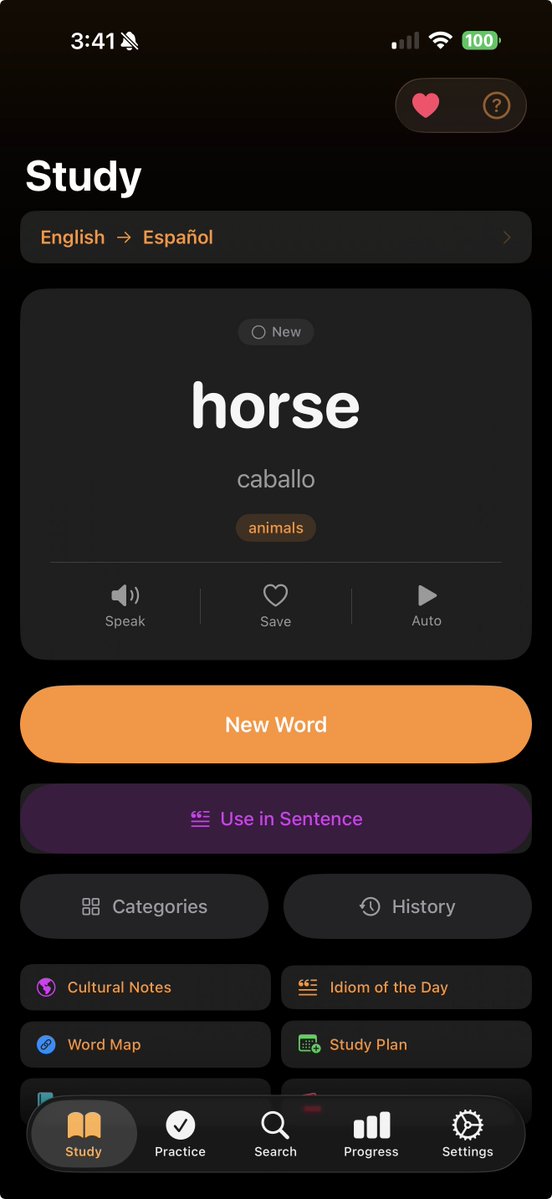
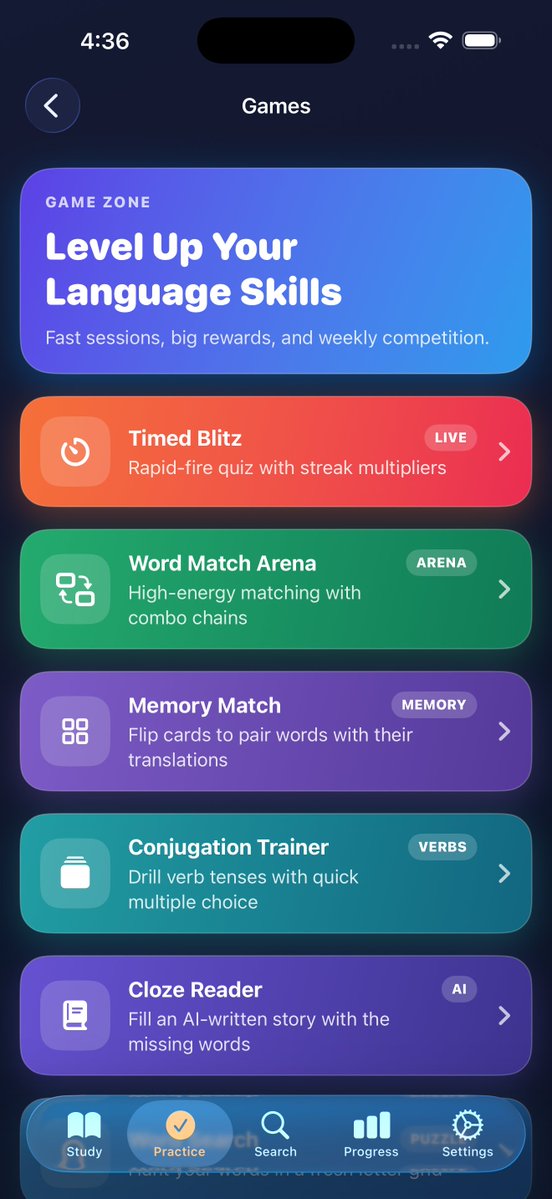
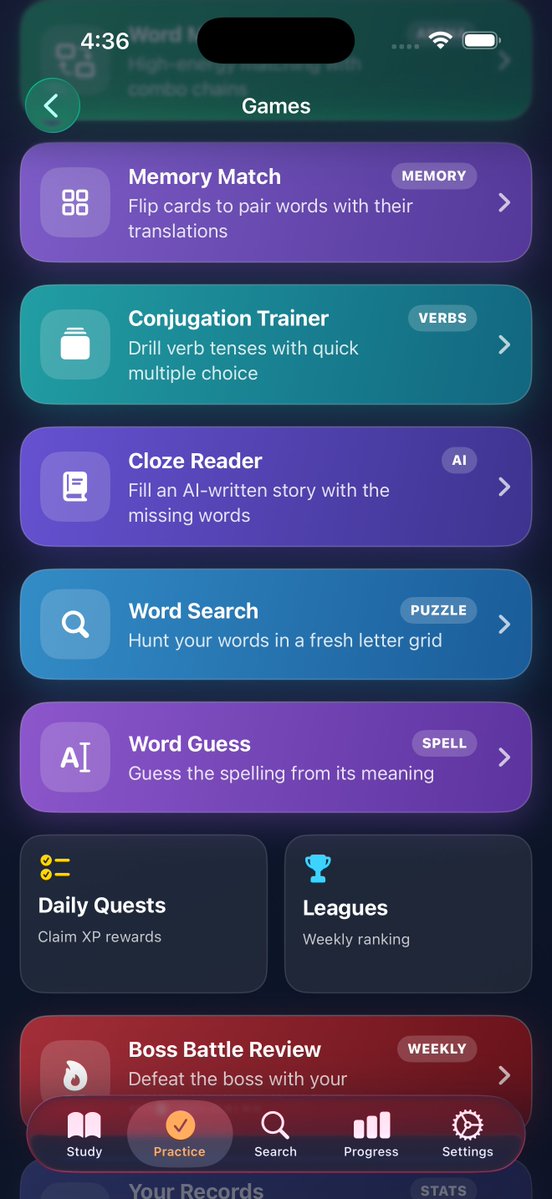
18 AI tools. All on your device. Zero internet needed. ๐Ÿคฏ Language Byte's on-device AI lets you practice real conversations privately โ€” no cloud, no account, no excuses. Try it free for 7 days ๐Ÿ‘‡ #LanguageLearning #iOSDev #AppStore #OnDeviceAI
1
14
mimiktech
The model was never the problem. The runtime is. ย  A recent @VentureBeat survey of 132 enterprise AI leaders confirms what mimik has argued for years: agents fail in production not because the model reasons poorly, but because the infrastructure under it cannot hold. Container restarts erase context. Token bills break the business case. A small error in step three compounds into catastrophic failure by step twelve. VentureBeat calls it the Agentic Reckoning. ย  Most of the market is answering it wrong. The common fix is a more durable runtime in the cloud, which keeps the same metered, centralized stack that caused the problem. There is another way. A device-native runtime, across the continuum of compute, keeps agent state local, takes inference off the meter, and keeps sovereign data in place. That is what Agentix-Native systems on mimOE are built for. ย  The agents are ready. The runtime is the gap. mimOE closes it. Download #mimOEStudio and start building agents that survive production. hubs.la/Q04mBGsN0 ย  #EnterpriseAI #AgenticAI #AIAgents #AgentixNative #OnDeviceAI #mimik
21
Essa_Almazroei
ูŠูุนุฏ ุชุญุณูŠู† ุงู„ู†ูˆู‰ ุจุงุณุชุฎุฏุงู… ุงู„ุฐูƒุงุก ุงู„ุงุตุทู†ุงุนูŠ (Agentic Kernel Optimization) ู…ุณุชู‚ุจู„ ุชุดุบูŠู„ ู†ู…ุงุฐุฌ ุงู„ุฐูƒุงุก ุงู„ุงุตุทู†ุงุนูŠ ู…ุจุงุดุฑุฉ ุนู„ู‰ ุงู„ุฃุฌู‡ุฒุฉ. ู†ุฌุญ ูุฑูŠู‚ Xenova ููŠ ุงุณุชุฎุฏุงู… ู†ู…ูˆุฐุฌ Fable 5 ู„ูƒุชุงุจุฉ ู†ูˆู‰ WebGPU ู…ุฎุตุตุฉ ู„ู†ู…ูˆุฐุฌ Gemma 4ุŒ ู…ู…ุง ุฑูุน ุณุฑุนุฉ ุงู„ุงุณุชุฏู„ุงู„ ุฏุงุฎู„ ุงู„ู…ุชุตูุญ ุฅู„ู‰ 255 ุชูˆูƒู†ู‹ุง ููŠ ุงู„ุซุงู†ูŠุฉ. ุฅู†ุฌุงุฒ ูŠูุจุฑุฒ ุฅู…ูƒุงู†ูŠุงุช ุงู„ุฐูƒุงุก ุงู„ุงุตุทู†ุงุนูŠ ููŠ ุชุณุฑูŠุน ูˆุชุทูˆูŠุฑ ุงู„ุชุทุจูŠู‚ุงุช ุงู„ู…ุญู„ูŠุฉ ุฏูˆู† ุงู„ุญุงุฌุฉ ุฅู„ู‰ ุงู„ุงุชุตุงู„ ุจุงู„ุณุญุงุจุฉ. #ุงู„ุฐูƒุงุก_ุงู„ุงุตุทู†ุงุนูŠ #Gemma #WebGPU #OnDeviceAI #Fable5 x.com/googlegemma/status/207โ€ฆ
Google Gemma
1
4
351
trubnikoff
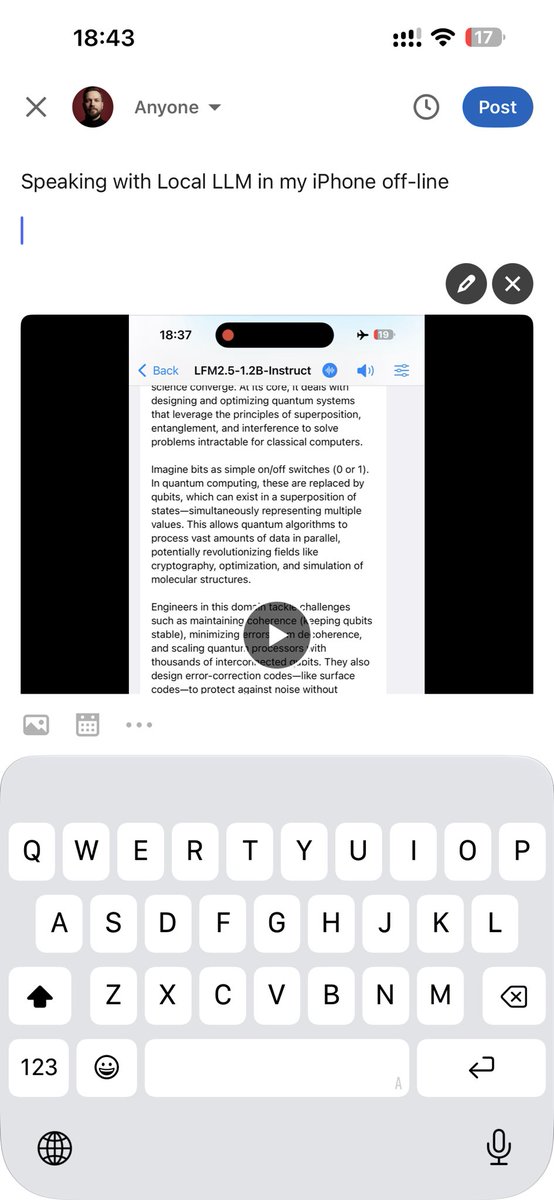
Voice-to-voice AI, running 100% offline on my iPhone. No APIs, no cloud, no latency. Stack: Fully private, zero-latency. Hey @LiquidAI, LFMs are punching way above their weight on mobile! #OnDeviceAI #EdgeAI #LocalLLM #iOSDev #SwiftUI #VibeCoding
43