
Windows also mean widows, in scanning system can miss characters, billgates aka vilgax causing problems everywhere, in future his fans darcy, ybfedev, jackforge, gemstokes are justice 🌍 for him 🪱, see how OS torturing us, he caused suicides, use non debian linux.
0
0
0
0

Jul 3
What's a load of bollocks.
You install half of Linux drivers from some guy's Google Disc.
0
0
0
0

Jul 3
例のパワハラの件、トラウマ持ちが「Linuxは無理です。WindowsServerにしてください」とか言い出したらそらもう回れ右だし、貸与PCはMacがいいとか言い出したら問答無用でThinkPad渡すよね…ってなんの話だっけ。
Python案件はありません。エビデンスをPrintScreenするだけの簡単なお仕事です
0
0
0
0

If thats Windows 12 I am drawing a line and moving the whole network to Linux
0
0
0
0

Kali Linux 2026.2 just made AI assisted pentesting the default, and almost nobody is asking the right questions about privacy and exposure yet…
Nine new tools shipped this week, and two of them point to the same privacy and sovereignty problem from different angles. shell-gpt turns natural language prompts into shell commands, code, and documentation inside the terminal. tookie-osint scans social media platforms to surface every account tied to a username. Both now ship by default in the world's most widely used pentesting distribution, and both quietly export exposure to places the tester doesn't control.
shell-gpt sends prompts to OpenAI's API by default. Target hostnames, internal paths, log snippets, and engagement details leave the tester's environment the moment someone types a question. Local models through Ollama exist, but they're not the default, and most testers will never switch. Engagement data ends up handed to a public LLM as a side effect of working faster.
That same tool lowers the skill floor for generating working commands, which means the population of vibe pentesters and vibe red teamers, people prompting an AI for the next step rather than understanding the technique, is about to grow fast. A default Kali install puts that capability in front of every tester, whether or not they have the judgment to know when a generated command is dangerous or leaking data it shouldn't.
1
0
0
0


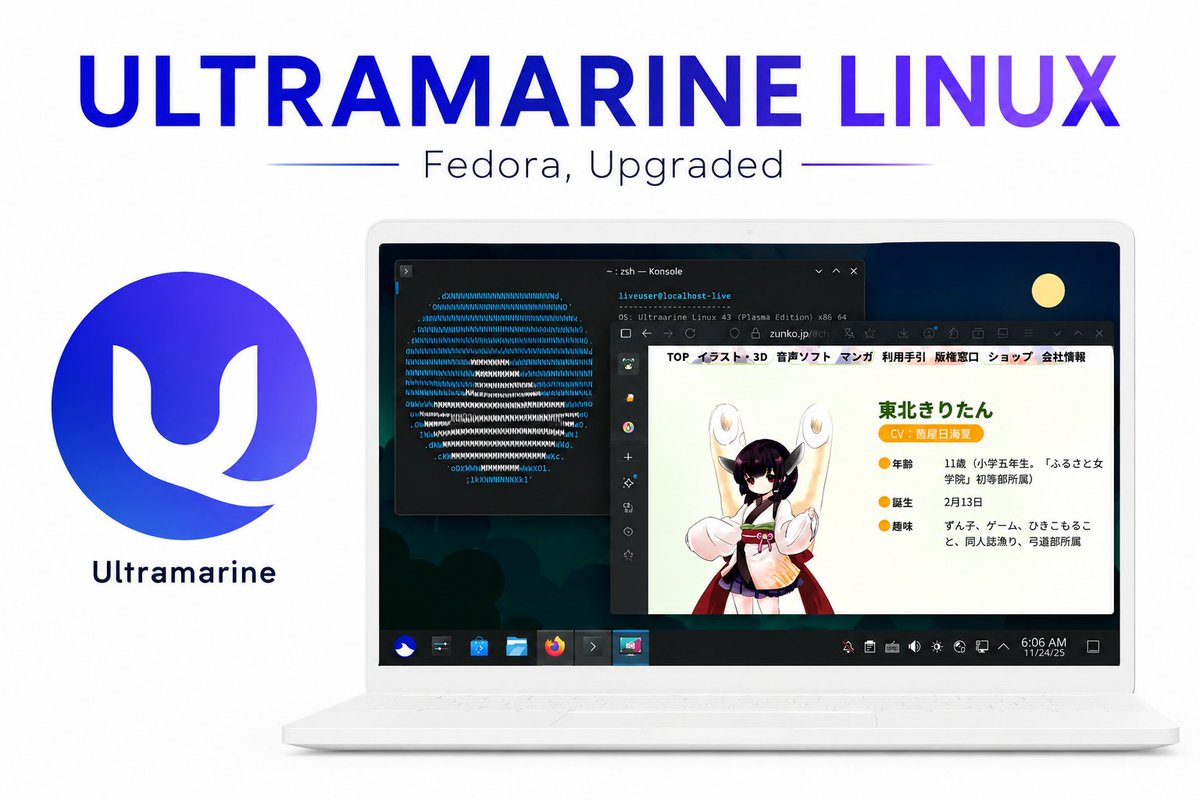
Fedora is great.
Ultramarine makes it even better.
Ultramarine Linux is a Fedora-based distro focused on delivering a polished, ready-to-use experience right out of the box.
Why choose Ultramarine?
• Based on Fedora
• Pre-installed drivers
• Browser & Office suite included
• Flatpak + Terra support
• Great Steam gaming support
• DaVinci Resolve compatible
• Runs on older PCs & Chromebooks
• No ads or tracking
• Faster access to new Linux technologies
• GNOME, KDE Plasma & more
Ultramarine aims to remove the usual Linux setup hassle, so you can get to work, school, gaming, or development immediately.
If you love Fedora but want a better out-of-the-box experience, Ultramarine is definitely worth trying.
1
0
0
0

Jul 3
If your Linux compliance strategy ends with LUKS encryption, your next QSA audit will be painful. PCI-DSS v4.0 requires continuous, multi-layered verification:
1. Continuous FIM (AIDE/Tripwire)
2. Immutable Auditing (auditd)
3. Zero-Trust Networking (nftables).
#server #security #compliance

0
0
0
0

Jul 3
"É GUEIMIS!!"
Vulkan support: YES
Esync support: YES
Fsync support: YES
Wine installed: YES
Gamescope: YES
Mangohud: YES
Gamemode: YES
Steam: YES
In Flatpak: NO
[System]
OS: Arch Linux rolling n/a
Arch: x86_64
Kernel: 7.0.14-zen1-1-zen
Lutris Version: 0.5.22
0
0
0
0

Jul 3
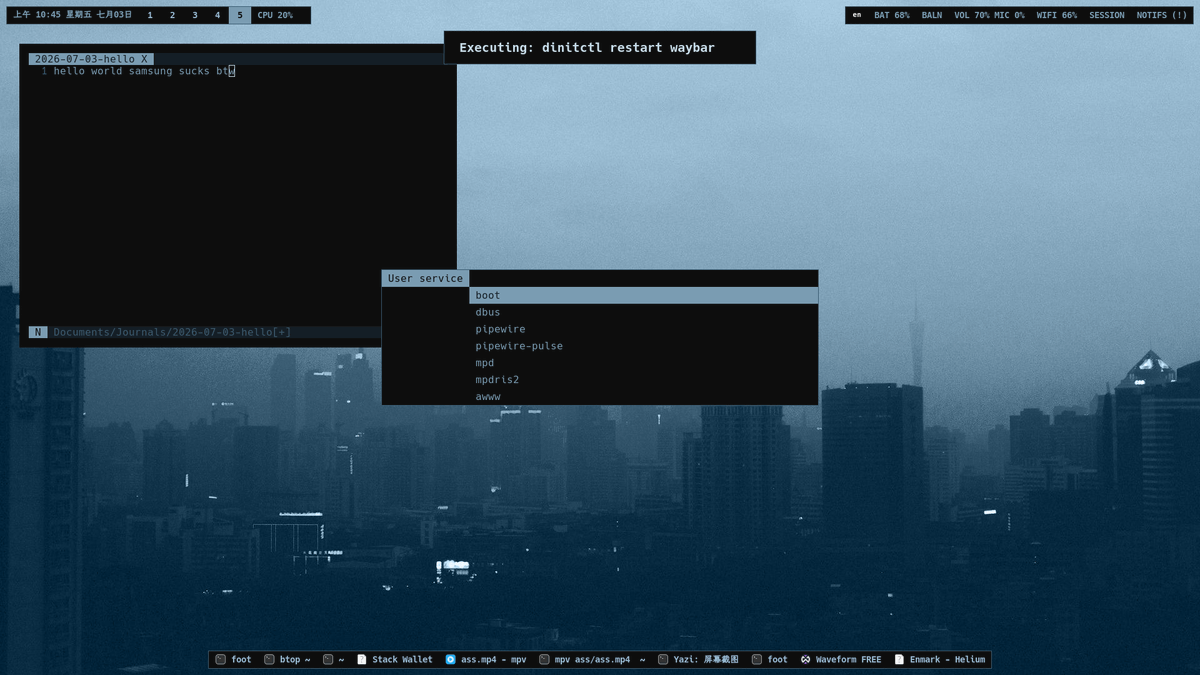
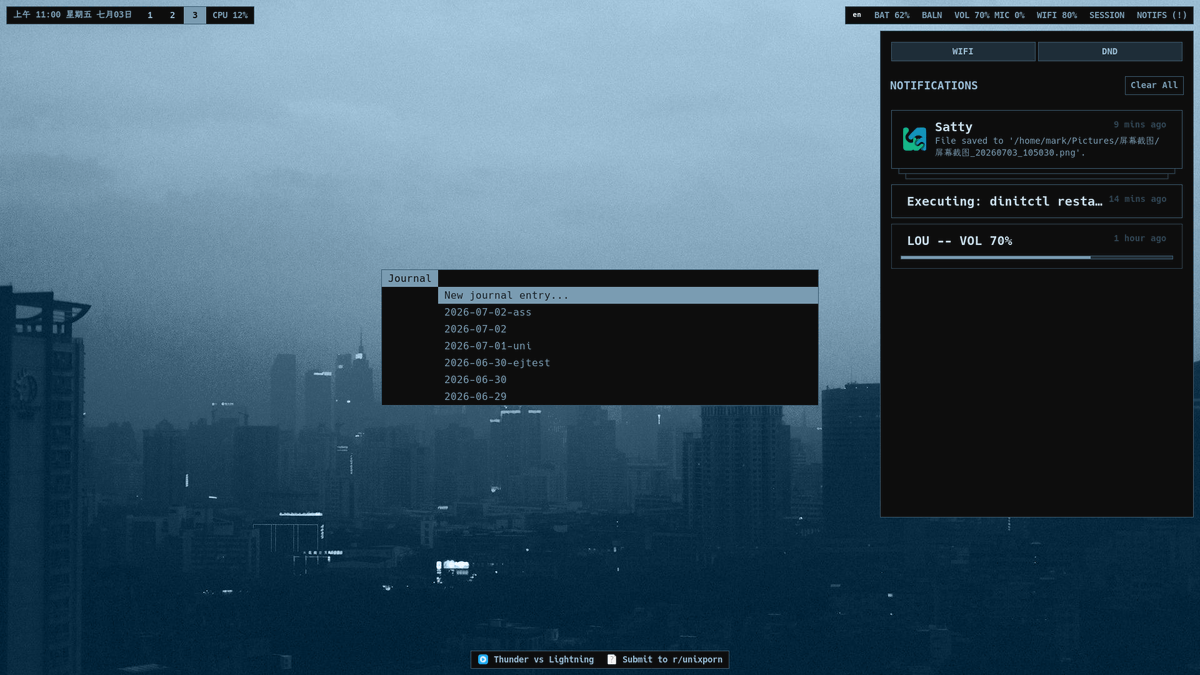
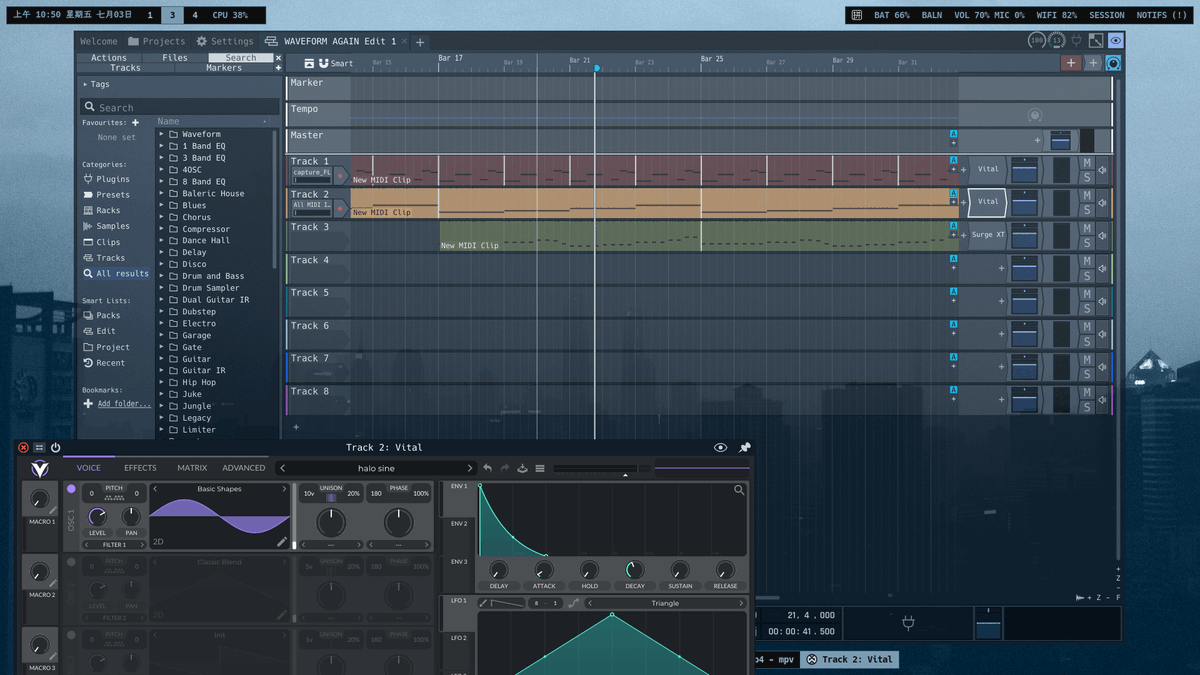
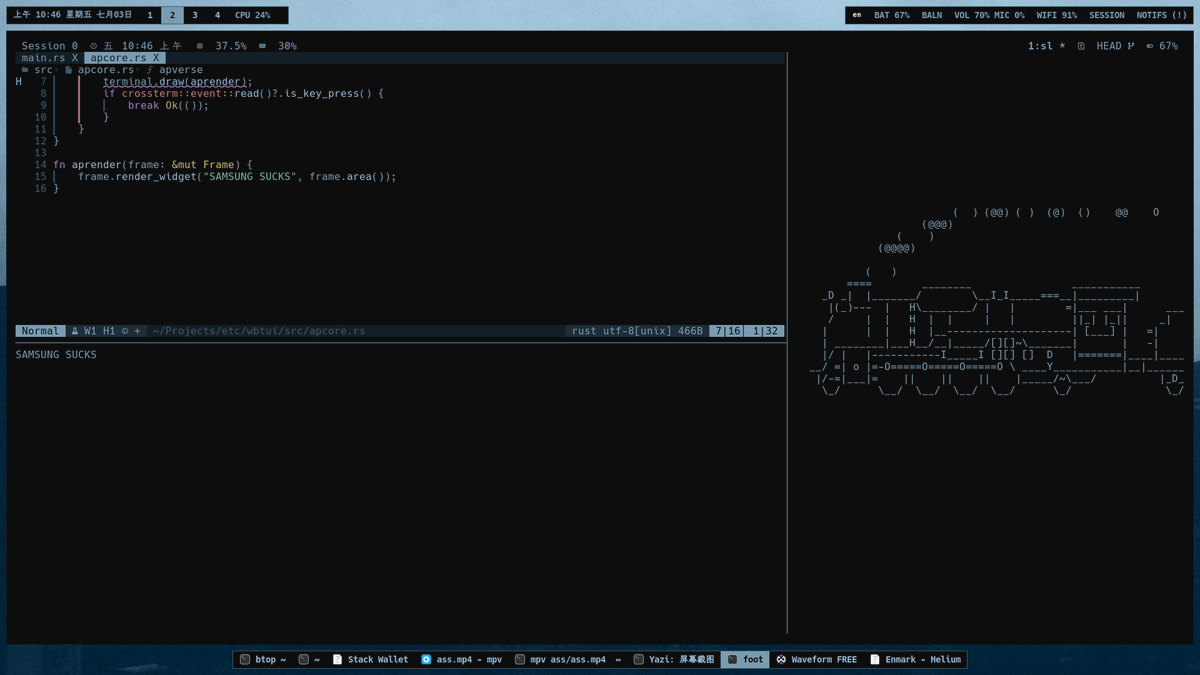
[MangoWM] Mist PDE -- STILL no rounded corners!
Link: redd.it/1um65q0
#unixporn #linux #screenshot
0
0
0
0

Jul 3
ウルトラマリーンLinuxというものがあるのだが、これの追加リポジトリの名前がTerraって完全に確信犯(誤用)だよねw;
壁紙を戦団マークにしてフォージエンペラーとか祈りながらアップデートするOSなのか
ultramarine-linux.org/ja/
0
0
0
1


Jul 3
What makes Windows OS the most affected by ransomware and not Mac or Linux?
12
0
0
17

Jul 2
If you think Windows is a pain as a consumer, try working with it as a computer maker…
We’re very happy to see Linux (and BSD) adoption continue to grow as a % of new users picking up Framework Laptops and Desktops, even as our sales volume continues to increase.
88
0
0
3

El kernel de Linux tiene 28 millones de líneas de código.
Han creado un MCP capaz de indexarlo por completo en solo 3 minutos.
Se llama Codebase Memory MCP y crea un grafo de conocimiento del repositorio para que los agentes de IA puedan entender el código sin recorrer archivo por archivo.
Esto es lo que consigue:
→ Reduce el consumo de contexto hasta un 99%
→ Responde consultas sobre el código en menos de 1 ms
→ Compatible con Claude Code, Cursor, Gemini CLI y muchos más
Lo más interesante:
Los agentes de IA suelen recorrer miles de archivos para entender un proyecto, consumiendo una enorme cantidad de contexto y tokens.
Codebase Memory MCP es open-source, ya supera las 24k stars en GitHub y reduce ese proceso a una fracción del coste.
Te dejo el repo en comentarios 👇

14
0
0
421

Jul 2
Installed Linux and already feeling lost trying to install software?
Whether you need common programs or custom hacking tools from GitHub, this video shows you how to install pretty much anything!
Check out the video: youtu.be/vX3krP6JmOY?si=6eFt…
6
0
0
465

Jul 2
[WindowMaker] Been trying it for a few weeks
Link: redd.it/1ulc4gs
#unixporn #linux #screenshot

0
0
0
22
