International investors are treating Latin America’s nuclear sector with a "high-risk emerging market discount." They are profoundly mispricing the opportunity.
As a $300 billion global Small Modular Reactor (SMR) market takes shape, Latin America’s window for strategic technology entry has officially swung wide open. But the timeline is unforgiving.
While headline narratives obsess over political volatility and currency shifts, they completely overlook the region's impeccable, multi-decade record of operating high-performance baseload nuclear fleets. Driven by severe hydrological vulnerability and massive off-grid industrial demands, Latin America is moving aggressively toward modular nuclear integration.
For SMR developers, equipment suppliers, and forward-looking financiers, here are the three structural catalysts driving the Latin American SMR market:
1. The Hydrological Breaking Point
Latin America relies on hydropower for over 54% of its electricity (climbing to nearly 70% in Colombia). But intensifying El Niño cycles and catastrophic droughts have turned this hydro-dependency into a massive economic risk. With large-scale dams facing intense environmental opposition, SMRs are emerging as the only politically viable, weather-independent option to secure clean, non-intermittent industrial baseload.
2. Off-Grid Mining & Isolated Cities
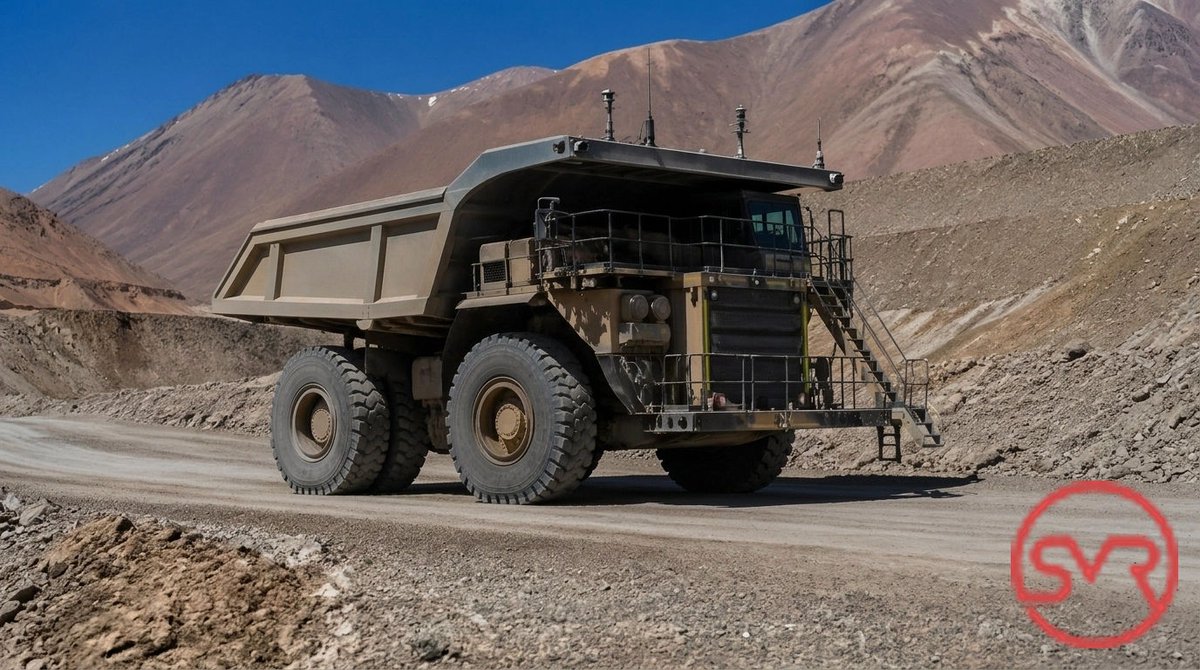
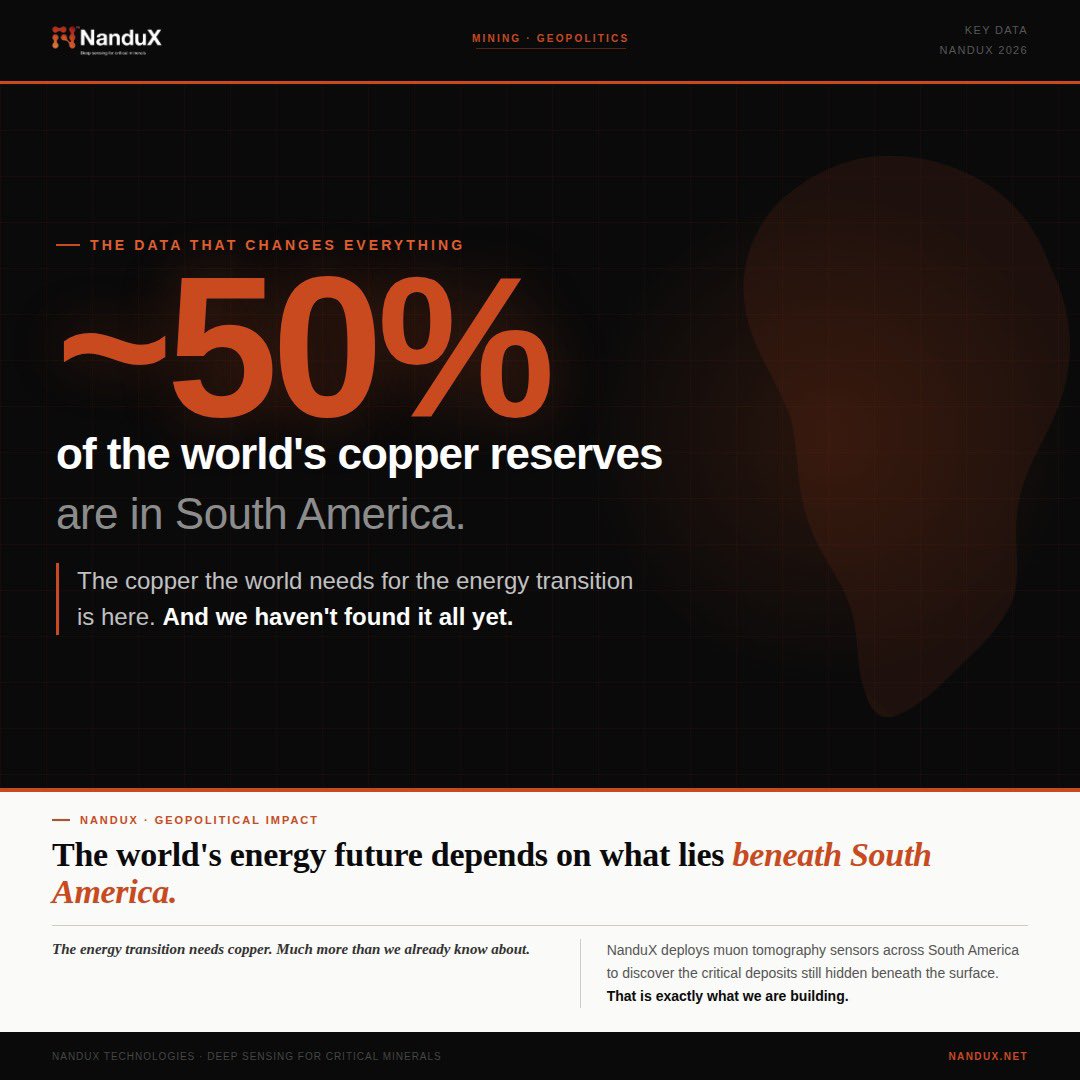
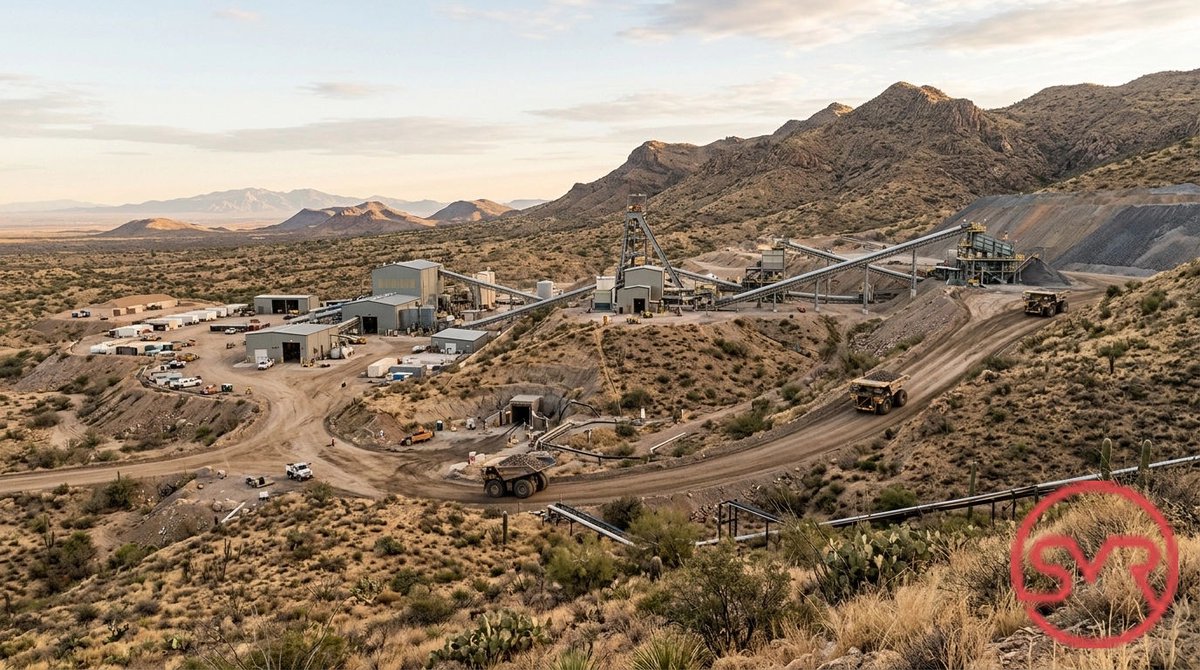
The region's vast critical mineral sectors—including the Lithium Triangle and massive copper operations in Chile and Peru—are frequently located far from stable public infrastructure. Furthermore, isolated economic centers like Peru's jungle city of Iquitos rely completely on expensive, heavily polluting barge fuel oil. SMRs and microreactors offer a highly tailored, decentralized solution that bypasses grid fragmentation entirely while lowering localized LCOE.
3. The 2030 Indigenous Pipeline and New Entrants
Argentina: Leading the region's native SMR development with its CAREM-25 pressurized water reactor prototype, targeting criticality by late 2027, alongside INVAP's plans to deploy up to four ACR-300 units by 2030.
Brazil & Mexico: Brazil is actively pursuing containerized microreactor concepts to support localized grids, while Mexico’s CFE is evaluating SMR integration to complement its high-performing Laguna Verde fleet.
The Newcomer Wave: El Salvador recently approved its comprehensive nuclear energy law targeting rapid SMR adoption by 2050, while Ecuador and Peru are working closely with international agencies like the US-backed FIRST program to fast-track regulatory readiness.
The Strategy for Strategic Investors:
The "high-risk" label attached to Latin American nuclear infrastructure is fundamentally inaccurate. The region boasts deeply embedded safety cultures, established regulatory bodies, and non-proliferation treaty frameworks that have held firm for half a century. The capital that recognizes this mispricing today will capture first-mover advantage across the continent's next century of heavy industry and mining infrastructure.
Read my complete corporate briefing on navigating Latin American SMR regulatory frameworks and regional co-development partnerships here:
👉
nuclearbusiness-platform.com…
#SMRs #NuclearEnergy #EnergyInvestment #Infrastructure #LatinAmericaBusiness #CleanEnergy #MiningTech #EmergingMarkets #NuclearBusiness #PowerGeneration