Centralization vs democratization of AI is the most crucial question for the impact of AI on democracy, and (IMHO) for AI safety.
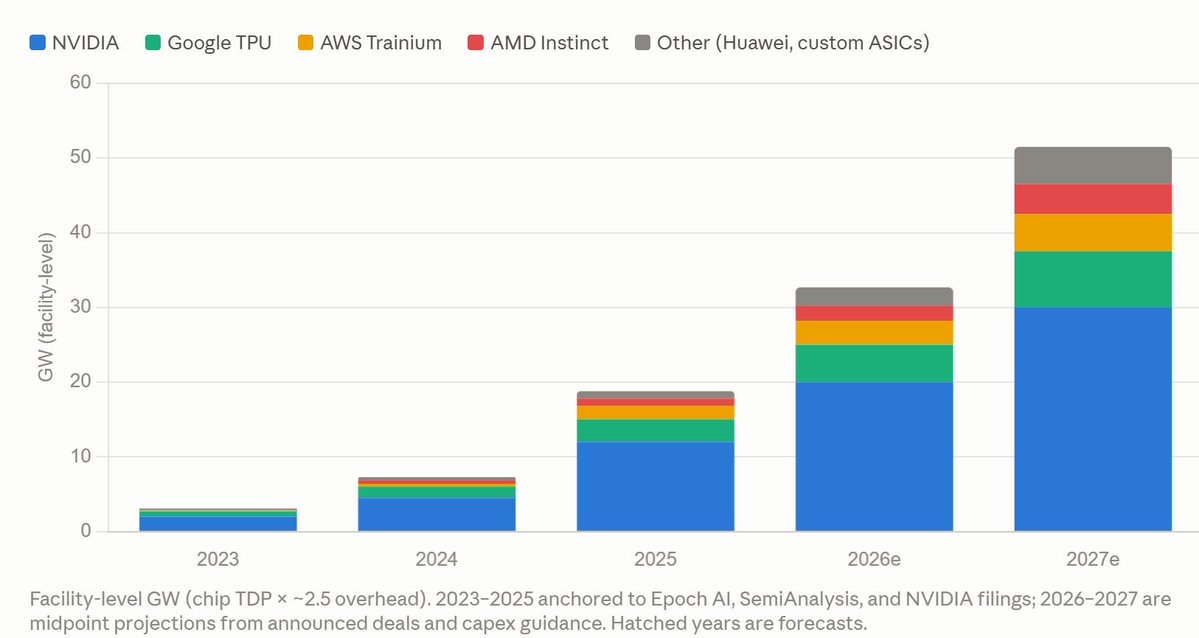
Right now, democratization is winning. The AI field is highly competitive. There are no obvious natural monopolies. Frontier labs with proprietary models are in constant competition which benefits the consumers of AI. Open weight models continually nip at the heels of the proprietary frontier models. And truly local models that can be run on a desktop, laptop, or phone are increasingly impressive.
All of this creates a more resilient ecosystem where power isn't concentrated in one person, one company, or even one nation.
It does increase the likelihood of AI use for nefarious purposes, but reduces the much more frightening risk of AI dictatorship.
The US government has made moves that are concerning in this light, but which so far haven't changed the fundamental dynamics of the AI ecosystem which trends towards democratization. Future moves may be worse, though.
Continuing to work to keep AI hyper-competitive, non-monopolized, and largely outside of government control is, in my view, the most important AI safety and pro-social AI work there is.
This 4th of July got me thinking about centralization. With AI, it is once again a central question that we all need to grapple with. It is just absolutely incredible that the founding fathers, having achieved the almost-impossible by winning the revolutionary war, decided to build a government around decentralization by design.
Why is this so incredible? Smart, successful people have a tendency towards centralization. This makes a lot of sense: these are people who have typically seen their judgments and decisions proven "right". They understand concepts that many others can't, they win debates, they make more money and are widely admired. They see so many others fumble and make mistakes, it is natural to then come to the conclusion that things would work a lot better if similarly smart/successful people were put in charge. This type of logic goes *way back* all the way to Plato's vision of the philosopher king, and you can see it play out everywhere.
But there are critical problems with this type of system. One is the obvious Hayekian problem that it precludes information aggregation. Perhaps this can be solved with AI. But the bigger issues are incentives and durability.
Centralization requires setting up an infrastructure that concentrates power. This creates incentives for people with potentially less noble/altruistic desires to seize the infrastructure; it creates huge incentives for conflict. Even if the original centralized system was noble and good, and even if it did work for a while in creating social surplus (big "ifs" here, most of the time this doesn't happen), the incentives of centralization mean that many others who are just as smart and just as successful, but who may have *very different* worldviews from the group that originally set up the system will now be jockeying to take it over.
It's trivial to come up with examples: monarchies were characterized by constant assassinations and coups. Why? Because if you took the monarchy you would have ultimate power, if you took over the USSR as the premier, you had ultimate power. If you took the US presidency through force, what would happen? You'd have a few years of office where you had to constantly deal with congress and the judiciary.
This means that the original objectives of a centralized system is not very durable: new people/systems are constantly competing for the opportunity to assume control. In the case of people, even if there are not coups or assassinations, natural successors may simply be less capable than the original group.
Decentralized systems are not perfect by any means, but they are simply more robust. They are better designed to serve the needs of diverse viewpoints and constituents. This is the real beauty of America, of our amendments that protect our decentralization (in a broad sense). They are less prone to being hijacked by bad actors, and misguided/nefarious leaders are more contained by the institutions themselves.