For generations, medicine advanced because someone saw what everyone else missed. Hooke saw the cell, Fleming saw mold killing bacteria. lizard venom helped inspire Ozempic and a new generation of metabolic drugs. A failed cardiovascular observation became a hair-growth medicine, CRISPR turned bacterial immunity into programmable gene editing. This is the history of biology:
Not just intelligence, but vision. The right instrument, moment, signal...but biology has always had a brutal constraint. We could not see enough. And often, to measure life, we had to destroy it.
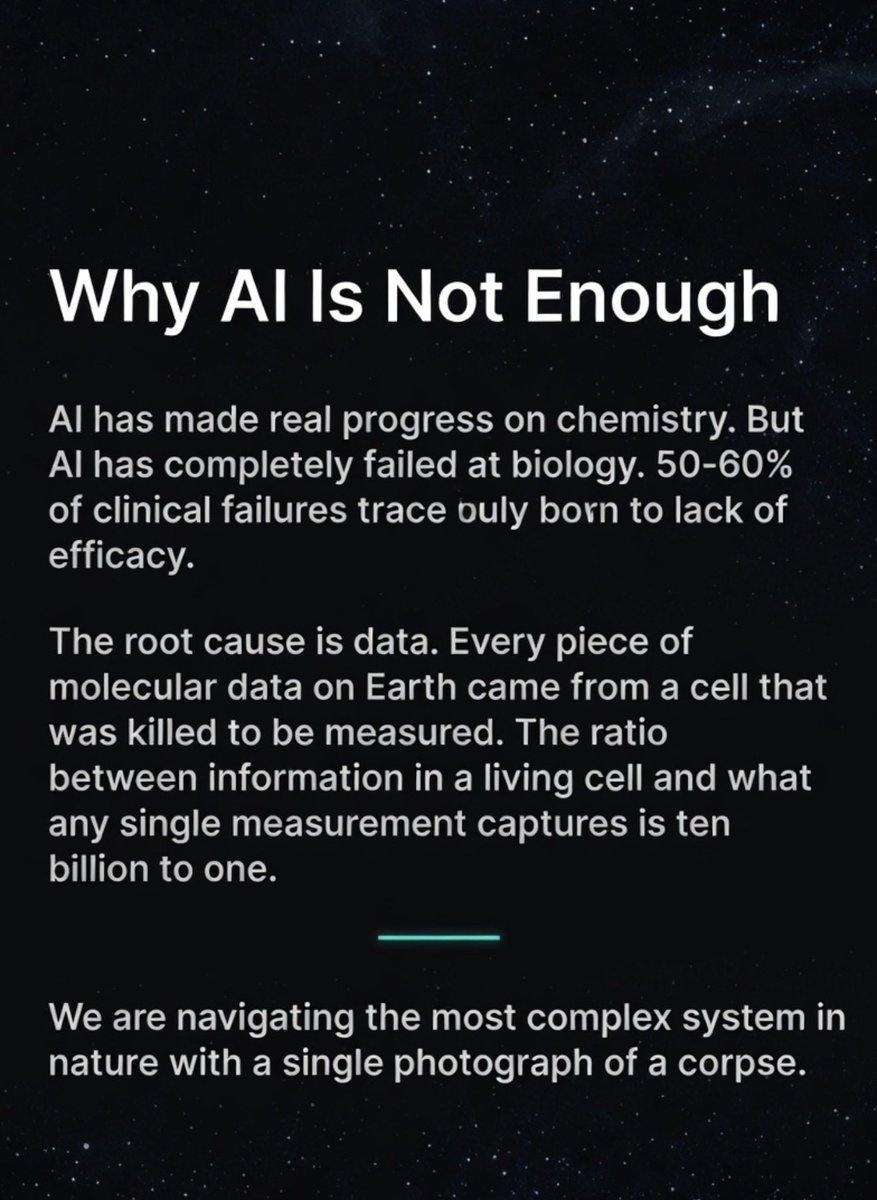
We killed the cell, we studied the corpse, froze biology into snapshots, then asked models to infer the movie. That is the reason drug discovery fails. Not because humans are stupid. because biology is alive, and our instruments were static.
Then AI arrived, and somehow the world made it small. It asked whether AI would write our emails, would take our jobs, it would make our art. But the real question was always: Can AI help us end disease?
The answer is yes. but not with language alone. not with molecules generated in a vacuum. not with models trained only on dead endpoints. AI needs contact with the real world. to see cells breathe, respond, resist, recover, collapse, and adapt. it needs live biological feedback.
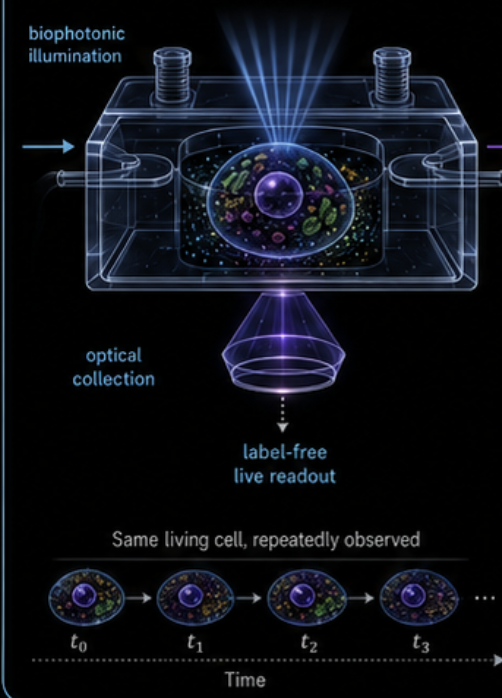
That is what Precigenetics is building. a microscope for the AI age. a system that reads living cells in motion. Without destroying them. This changes the loop.
Today, drug discovery is mostly guesswork followed by failure. Design a molecule, test too late, learn too little, lose years, billions, PATIENTS, and HOPE. The next loop is different. Design, then observe, measure, learn, and repeat. In real time.
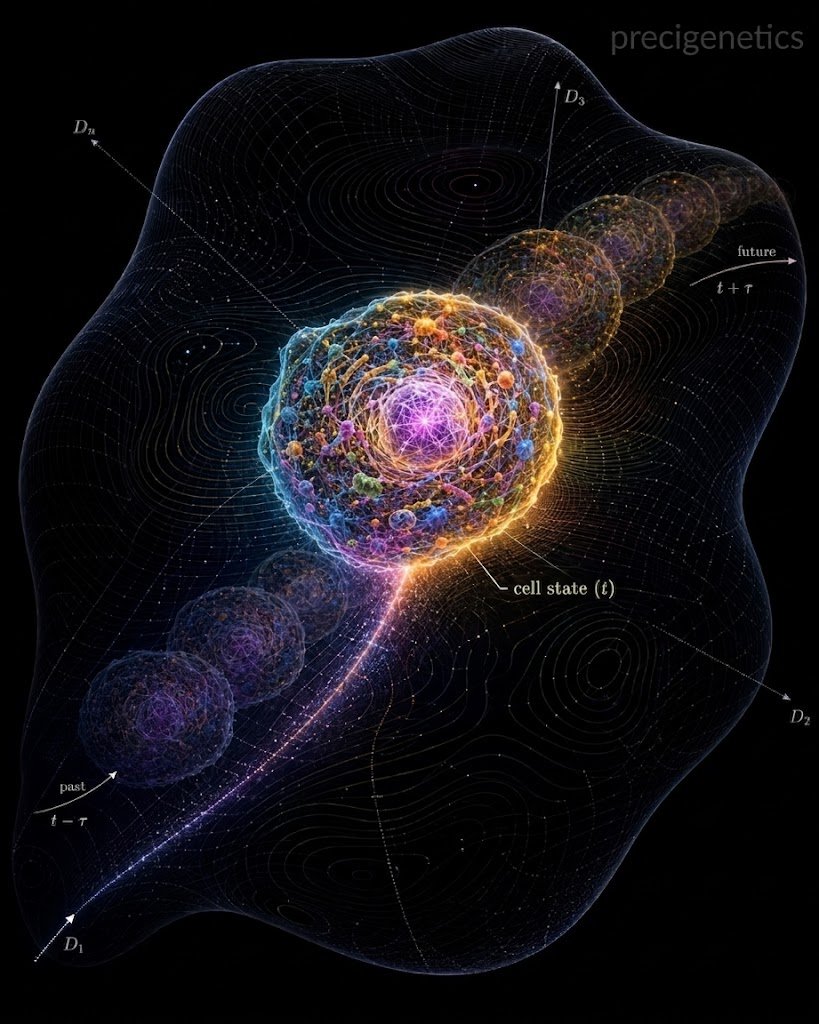
AI has already learned how to generate molecules. now it needs to see what those molecules do. At the moment biology responds. Because disease is not static. A living cell is a decision-making chemical system. And when we can finally measure those decisions, AI can finally learn from life itself.
We brought telescopes to the stars. We brought rockets back to the Moon. Now we bring AI to the microscope. Not to simulate biology, to ACTUALLY SEE IT alive. Not to replace scientists. to give science the instrument of MEANING.
The future of medicine will not be won by the company with the loudest model. it will be won by the company with the best biological feedback loop.
Precigenetics. Cell cinema for the age of AI.