Joined August 2012
637 Photos and videos
250 🇺🇸
34
1,410
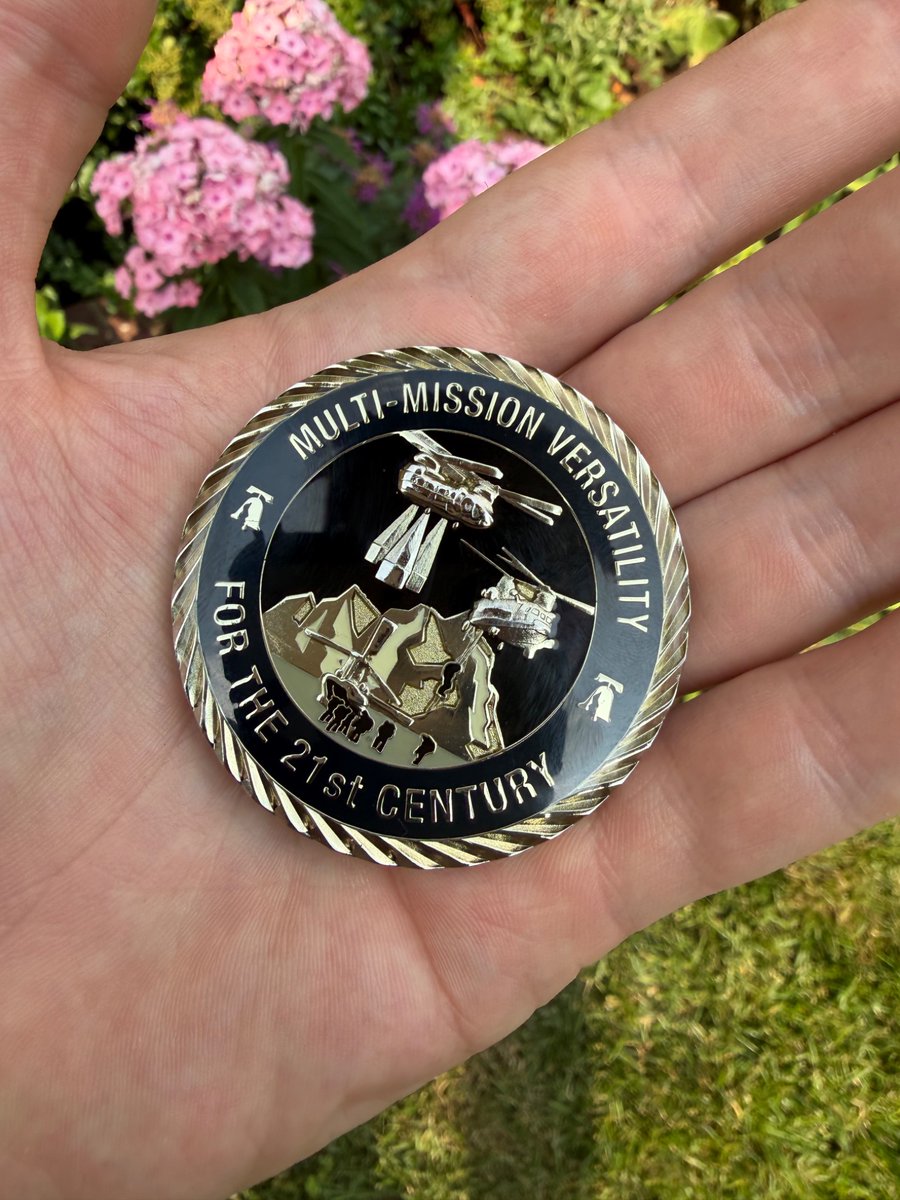
MH-47, Made in Philadelphia
8
284
Mark Gallagher reposted
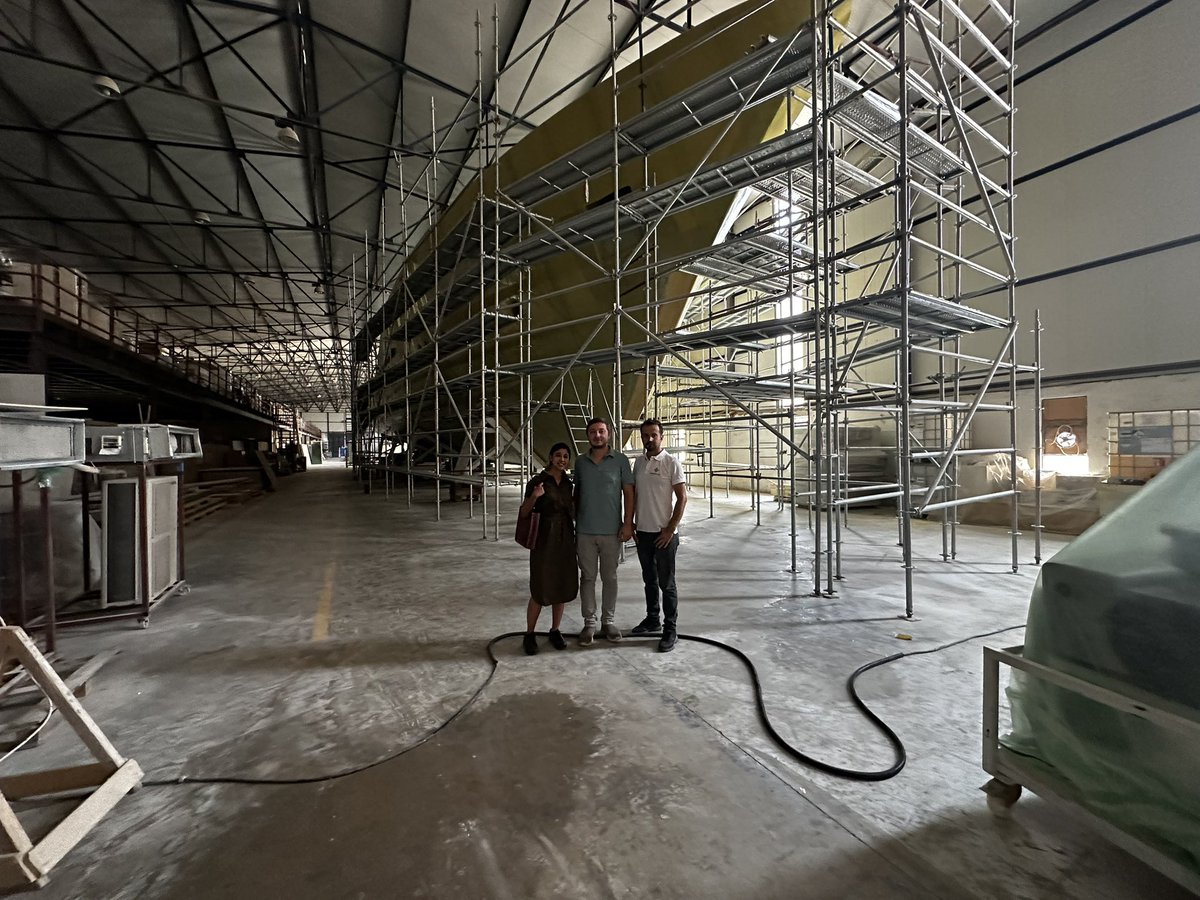
Inside of this building at UTEP there's a well appointed machine shop run by current ME students. They make all of the parts and prototypes for their classmates. The guys that run this shop are getting the education of a lifetime.
2
1
24
464
Mark Gallagher reposted
Gotta think two moves ahead.
4
21
1,121
Mark Gallagher reposted
Interesting convo w/ SVP of massive industrial company today. Tons of tidbits, but one in particular i'm thinking about: manufacturing map is splitting. States like CA/OR/WA actively opting out of manufacturing, TX and AZ obvious winners, and then places like Boise Sioux Falls quietly blowing up. If this holds, state-level GDP contribution could look meaningfully different a decade from now.
8
8
139
125,986
Mark Gallagher reposted
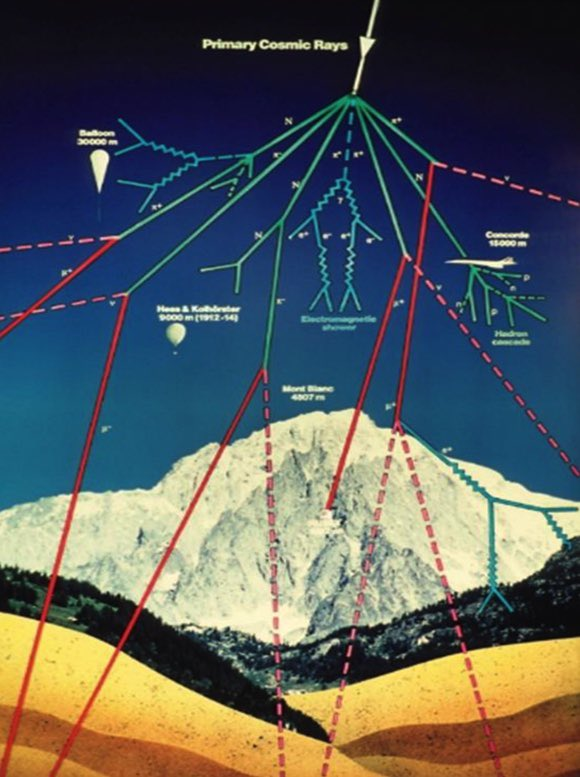
Lotta talk about muons on the tl lately, a good excuse to re-post my favorite image I've ever seen in a pitch deck
1
2
10
808
the lads might do it
BREAKING: FAA officially announced the rulemaking to legalize supersonic flight, including the Boomless Cruise ("Mach cutoff") approach we demonstrated on XB-1. This is a major step toward the supersonic renaissance.
5
469
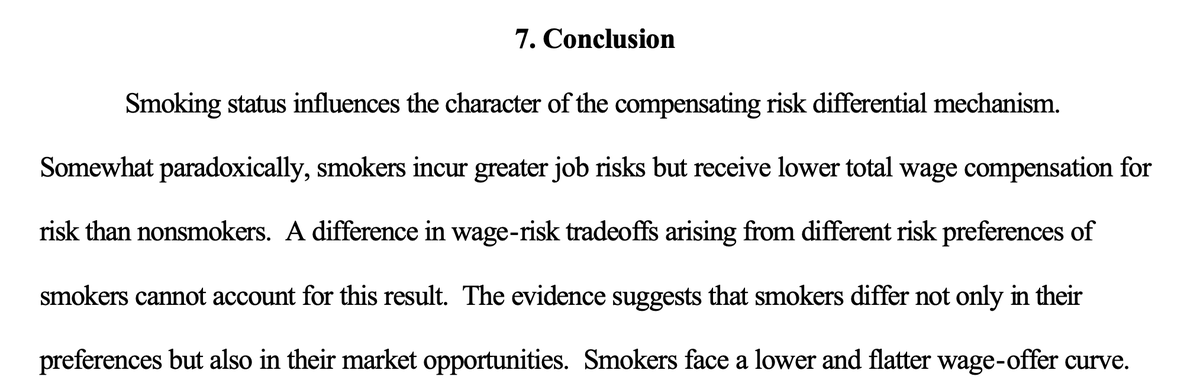
Cigarette Smokers as Job Risk Takers - Joni Hersch & W. Kip Viscusi
59
watch immediately if you want to build hardware
1
1
123
Mark Gallagher reposted
At the core, what we do is actually pretty simple: we reduce the energy- and therefore the cost- required to move a unit of payload over a unit distance by 5–10×. Recent events in the middle east are just another reminder of how fundamental energy is. Whether it's airlines, ships, or boats, if you actually think about it- transportation has always been an energy problem first. One thing we've learned is that once you get outside the U.S.- especially in places where shipping and logistics are part of everyday life- this is almost a no-brainer. People immediately understand why moving the same payload using 5-10× less energy changes the economics. In the startup ecosystem, I find everyone talking about maritime autonomy. Autonomy will be important part of the stack, but it's not the foundation of the company WE are building. Energy comes first. Efficiency comes first. Reliability comes first. Everything else follows.
5
6
50
2,758
Mark Gallagher reposted
Attention El Segundo Bros looking to grow: We have a ~40k sq ft industrial building which will be available for occupancy in October. Key info: - Current tenant does high-end, small batch aerospace and defense manufacturing (they're moving after ~30 yrs to a much larger space elsewhere) - ~1800 amps of power - 17'-21' clear height - 66 parking stalls - ~5 dock-high doors - ~6k sq ft of office - Located right by In & Out, ~1.5 miles from Smoky Hollow Roasters, in the heart of the American military-industrial complex Interested? DM and I'll send you the brochure with our broker's contact info.
32
19
233
51,338
🇺🇸
1
11
215
Mark Gallagher reposted
Ok, I'll spell it out The US DOW will not ever buy foreign made planes, tanks, drones, ships, missiles, guns, anything. There are *many* laws and regulations specifying how a product is considered "Made in USA." Anduril, and every other company that sells to the DOW and USG more broadly complies with these rules. Now think about WHY we have those laws, what's the intent? Well, there are two principal goals here. First, the obvious one, if the US Government is spending taxpayer dollars to buy products, the USG wants those dollars spent creating US jobs in US factories... keep our taxpayer dollars fueling our own economy (those employees have homes, buy food, go to the movies, have families, etc). That goal makes good sense. The second goal is less obvious... in a time of conflict, the US DOW does not want to rely on another nation's factories and industry to provide for US security and mission readiness. Hypothetically, if there's a major war of COURSE those governments would say "we need those tanks/weapons/planes/drones for ourselves, you can't have them." In fact, the US does the exact same thing: breakingdefense.com/2026/06/… Now invert the scenario. The Japanese government (or Taiwanese, or Australian, or anywhere else in the world) views the situation *exactly the same way.* Of COURSE they want their own taxpayer dollars spent on their own economy, and of COURSE they don't want to rely on US companies (and the USG's permission) to provide for their own security and mission readiness. In some situations for Anduril, supporting our Allies (including potentially Japan!) looks like "we'll manufacture products in the US and export them to you." But for the above reasons, the governments usually don't like this way of doing business (and, as noted in the article above, the US defense industry has a long history of delaying the delivery of ordered systems as either priorities shift or production rates struggle to keep up, to wit: reuters.com/business/aerospa…). Anduril already operates this way now in many Allied countries around the world, as a couple examples: armyrecognition.com/news/nav… or anduril.com/news/anduril-unv… ... products made in the US, exported to Allies. In other cases, supporting our Allies looks like "Anduril exports the *design* of one of our mature products that we've already developed in the US, and we'll manufacture these products locally." This is more interesting for our Allies, as then they're creating activity for their local economy and have more comfort that they'll actually get the systems/weapons/drones/etc. This is very difficult and complex to execute, and anyone who's worked in hardware will know that you can't just simply send a stack of work instructions to a new factory (on the other side of the world, in a different language, with different culture and talent base) and expect it to magically work... it's really hard, but solvable. And in yet other cases, supporting our Allies looks like a *development* deal where Anduril creates a local engineering team to design and then manufacture a new product in that country. This is the most interesting and exciting structure for our Allies, as they generate both engineering jobs (which, in turn, builds skills and competencies in their industrial base) AND the manufacturing jobs... and also gives them more control and comfort that they'll get the systems/weapons/drones/etc they want. This is even HARDER to execute, as Anduril essentially has to standup an entirely new team, find strong leaders, build a culture from scratch, etc. This is exactly the structure of our Ghost Shark program with the Royal Australian Navy, and also why my family and I moved to Australia to standup our team there. So when you see the (factual!) story that Anduril is exploring standing up a production line in Japan and you jump to the conclusion that we're "outsourcing" production, you are operating from a fundamentally inaccurate assumption. The US DOW won't buy made-in-Japan products, even if they're made by Anduril. That's why we're building massive factories in Ohio, Rhode Island, Mississippi, California, and many more to come: to support the USA (we are all Patriots and want the US to be strong and secure). The question is really "does Anduril want to support the Japanese military" (or Australia or UK or other Allied nations for that matter) and in general, yes - we do! To support those nations at large scale will, in many cases, mean that Anduril will have, at minimum, localized production of these products and systems. Implying that supporting Japan in this manner costs US jobs is just fundamentally wrong. That's not how it works. The final note I'd add is that this entire structure of exporting ANY defense technology to ANY nation is governed by the ITAR and EAR process, which depending on the specific product, explicitly means the US Government has to review and approve most of these arrangements. It's a very nuanced process, and explicitly not just Anduril's leadership team YOLO'ing products wherever we feel like... that's just not how the industry works.
Ohio needs the jobs right? The American manufacturing sector is starving for this exact type of long-term investment. Offshoring production lines to an automotive factory in Japan while claiming we care about "rebuilding the American Arsenal" looks hypocritical at best and a betrayal of the American worker at worst.
30
65
719
114,145
Mark Gallagher reposted
there is so much to learn from products like the elise
7
1
137
4,731
Who on here is currently building & selling cool, well-crafted, beautiful products?
22
3
47
3,517
Mark Gallagher reposted
We’re hiring mechanical engineers to build the future of American manufacturing at Guardian Bikes in Indiana. You’ll join a mission to definitively prove that great everyday consumer products (like bikes) can be manufactured competitively in the U.S. again, using the latest manufacturing technology relentless ingenuity. You’ll help optimize our factory which is already doing on shore production of bikes at massive scale. Working alongside our in-house machine shop and using our internal fab capabilities, you’ll design and build everything from automated weld fixtures to racking systems to full assembly automation. If you want to make things that matter, with your hands and your head and join a world class American factory, DM me.
13
24
174
10,548
Mark Gallagher reposted
Hell ya
just saw this on the way to LAX 👌
6
12
717
15,508
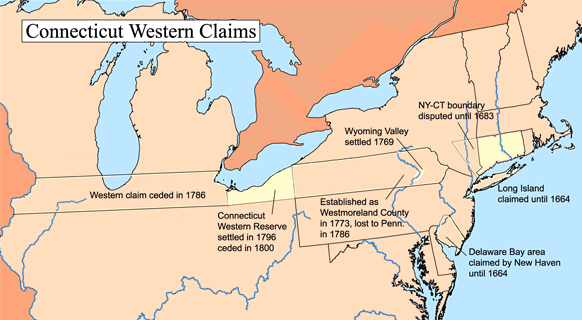
Connecticut once had very bold territorial claims. After kicking the British out, Pennsylvanians helped them right-size
1
59
Mark Gallagher reposted
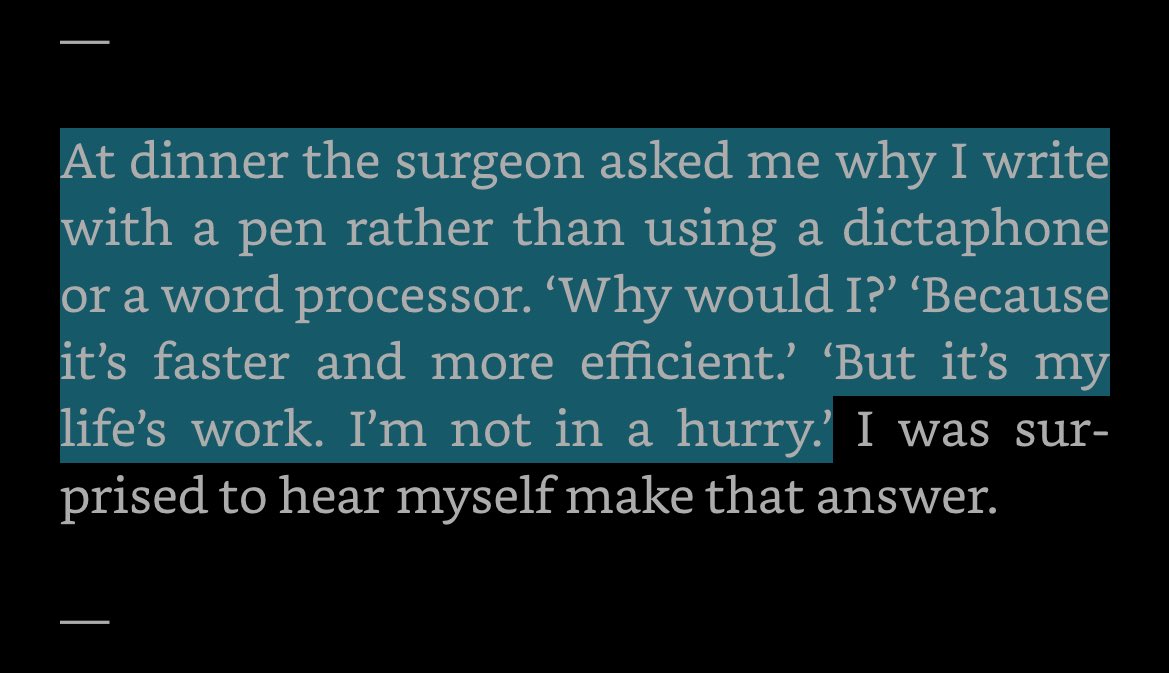
I've met many (often younger) people in tech recently who, while discussing their careers, reference their opportunity cost as to why they feel the need to rush into their next thing. I am in some ways reminded of a conversation I had with my first boss who, after hearing how I thought about the next 5 years of my life, smiled and said "i hope you get what you want, but you know, you have all these plans for life and then it just kind of beats you down and you learn to enjoy survival." And in many instances, I get it. This moment in time feels unique. A life you've imagined, in a future that feels inevitable and out of your control, feels like it could slip away at any point and you'll miss it and forever wonder about the sliding door you didn't walk through and the moments of what could have been while everyone around you does better than you. Because all around you are examples of other people in your cohort who are "killing it" and why should you not be one of them? And why is that data point you have not as good a proof point as ever that you should do the thing as you see fit right now? And how could one in the face of all of this absolute uncertainty and also total certainty possibly make the choice to wait, to let whatever feeling you've been sitting on, simmer and just be in the months or years between when you *think* time is slipping away and when it is actually slipping away. Perhaps one could say a cliche like "life is long" and that to cite opportunity cost and measure it at the age of 20-something and on a time horizon that is 12-24 months feels off. Perhaps one could say that to not know what you want your life's work to be at the age of 20-something (or even 30-something) is also okay. Perhaps one could say that time doesn't really slip away if you truly approach your professional life as a craft for a long time. At some point in the conversation, I often then hear about how people are quite certain that this is the most important thing for them to do or that it is eventually what they will want to do no matter what. And I then repeat the point that if it is your life's work, why would you be in a hurry?
It’s my life’s work. I’m not in a hurry.
9
28
555
93,598