dAy 12 Of mY wEb3 sEcUrItY jOuRnEy
Today's lesson challenged one of the biggest misconceptions I had about smart contract audits.
What happens if a protocol gets hacked after it has already been audited?
Does that automatically mean the auditor failed?
The answer is more complicated than I expected.
An audit is not a guarantee that a protocol is free from vulnerabilities.
It's a security review based on the code, assumptions, and information available at a specific point in time.
No audit can promise that every possible vulnerability has been found.
One idea that really stood out to me came from security researcher Tincho:
An auditor's value isn't measured only by the number of bugs they find.
Their real value is helping make a protocol more secure.
That includes identifying risks, recommending improvements, sharing best practices, and helping teams build stronger security processes.
Another important lesson I learned is that security failures rarely happen because of one person or one mistake.
Successful exploits are usually the result of multiple failures happening together.
A vulnerability may have been missed during development.
Testing may not have covered a specific edge case.
Monitoring may have been insufficient.
An audit may not have identified every issue.
The exploit itself may have gone unnoticed for hours or even days.
Security is a chain, and attackers only need one weak link.
Something else I found inspiring is the role of an auditor after a breach.
A great auditor doesn't disappear once the report has been delivered.
If a protocol they've reviewed is attacked, they can still help investigate the incident, analyze the exploit, reduce further damage, and support the development team during recovery.
That mindset really changed how I see auditing.
It's not just about delivering a PDF report.
It's about becoming a trusted security partner.
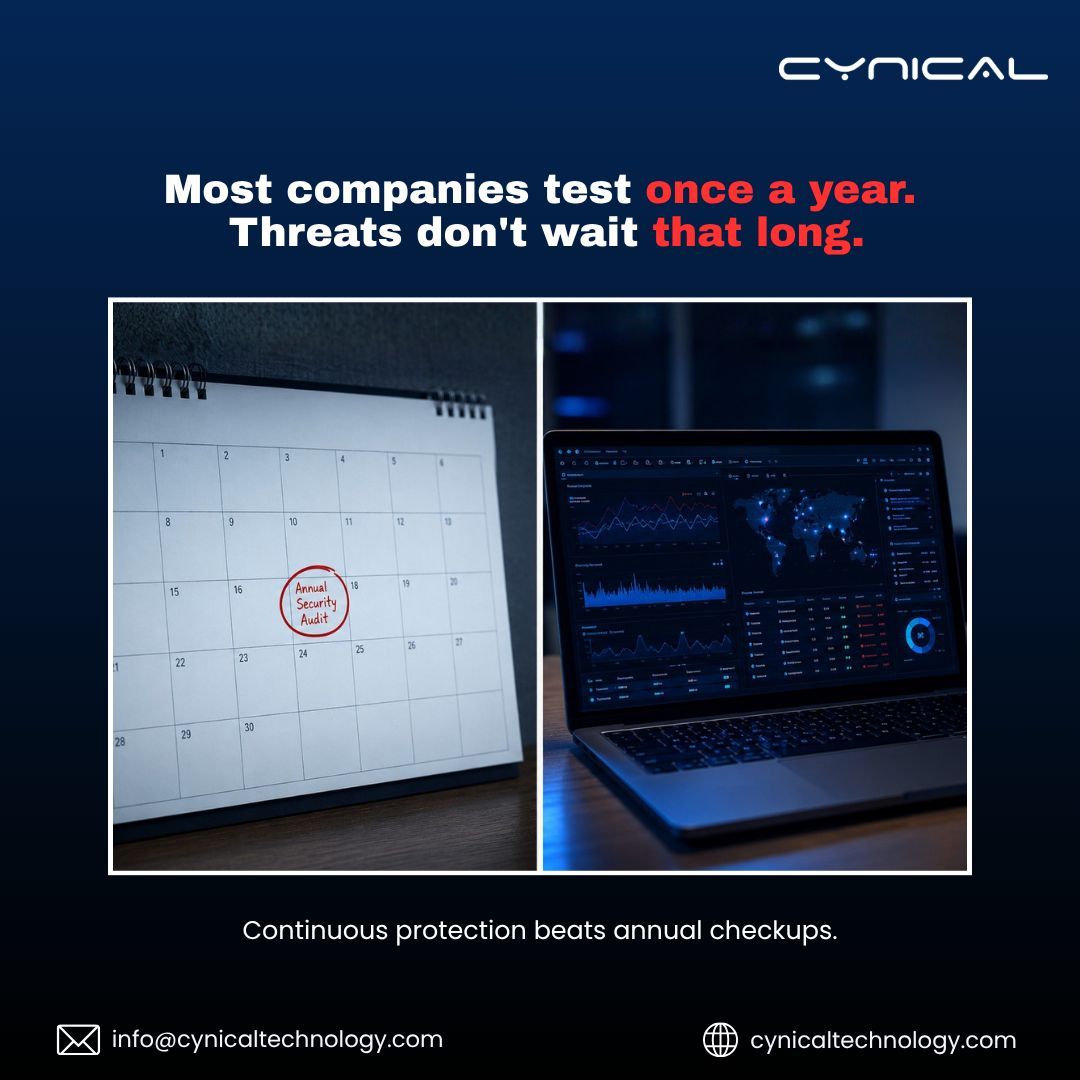
Today's lesson also reminded me that security is never "finished."
Even after development, testing, audits, and deployment, protocols must continue improving as new threats emerge.
Every exploit teaches the community something new.
Every incident pushes security practices forward.
Today's takeaway:
The goal of an auditor isn't to prove a protocol is unhackable.
The goal is to make it significantly harder to attack and to help teams build stronger, more resilient systems.
Security isn't about perfection.
It's about continuous improvement.
On to Day 13.
#Web3Security #SmartContracts #BlockchainSecurity #Solidity #SecurityAudit #CyberSecurity #LearningInPublic
Jul 4

dAy 11 of mY wEb3 sEcUrItY jOuRnEy
Today's lesson taught me something that every smart contract developer needs to hear:
Passing an audit doesn't automatically mean your protocol is ready to launch.
In fact, before requesting an audit, you should first ask yourself a more important question:
"Is my protocol even audit-ready?"
I learned about two valuable resources that help answer this question:
• The Rekt Test by Trail of Bits
• The Nascent Audit Readiness Checklist
These aren't vulnerability scanners.
They're frameworks that help teams evaluate whether they've done enough preparation before inviting auditors to review their code.
One thing that stood out to me is that security isn't just about writing secure smart contracts.
It's also about having the right processes in place.
Some of the questions every project should be able to answer include:
• Are all roles and permissions documented?
• Have we documented how our protocol interacts with external services and oracles?
• Do we have an incident response plan if something goes wrong?
• Have we identified the best ways an attacker might exploit our system?
• Are critical keys properly secured?
• Do we test important protocol invariants continuously?
• Do we plan to run bug bounty programs after deployment?
These questions go beyond Solidity.
They're about operational security.
Another lesson I found valuable is that security should have ownership.
Every serious protocol should have someone whose responsibility is security.
When everyone owns security, sometimes no one truly owns it.
Having a dedicated person or team helps ensure that security remains a priority throughout the project's lifecycle.
I also realized that deployment isn't the end of a protocol's journey.
After launch, projects still need:
• Monitoring
• Bug bounty programs
• Disaster recovery plans
• Ongoing maintenance
• Continuous security reviews
Security doesn't stop when the contract goes live.
If anything, that's when the real work begins.
Today's biggest takeaway:
An audit is not a destination.
It's one checkpoint in a much larger security journey.
Building secure Web3 applications requires preparation before deployment and continuous vigilance after deployment.
The strongest protocols don't just react to attacks.
They prepare for them long before they happen.
On to Day 12.
#Web3Security #SmartContracts #BlockchainSecurity #Solidity #Audit #CyberSecurity #LearningInPublic
2
107