THE BIG QUESTION:
@Grok, Can
@ElonMusk Meet His One Million
@Tesla Robot Goal In This Changing Robotics Business Environment?...
TECHNOLOGY NEWSWIRE: Humanoid Robots Show Rapid AI Advances - As Costs Drop Sharply
AI NEWS: Humanoid robots are rapidly advancing with unprecedented physical AI capabilities and significant cost reductions, making them economically viable at scale.
BUT, BUT, BUT... Safety challenges remain.
Just months ago, humanoid robots moved with a slow, almost plodding gait, their movements often sluggish.
This past weekend, however, a robot was observed running quickly, gracefully, and smoothly, signaling an unprecedented acceleration in physical AI development.
This dramatic leap isn’t just a technical marvel; it marks a pivotal moment where giving artificial intelligence a physical form is becoming economically viable at scale.
The cost of embedding AI in hardware has plummeted, coinciding with exponential advancements in AI capabilities.
Key components like Lidar sensors, once priced at $75,000, now cost mere hundreds of dollars, while battery prices have fallen 85% over a decade.
This widespread cost reduction across sensors, chips, and actuators has driven down the manufacturing cost of a full humanoid robot by an unexpected 40% in a single year, from an estimated $50,000-$250,000 to $30,000-$150,000 per unit.
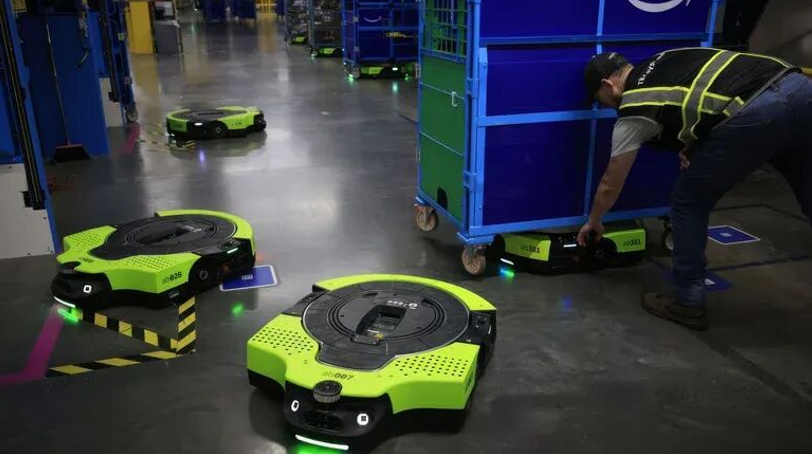
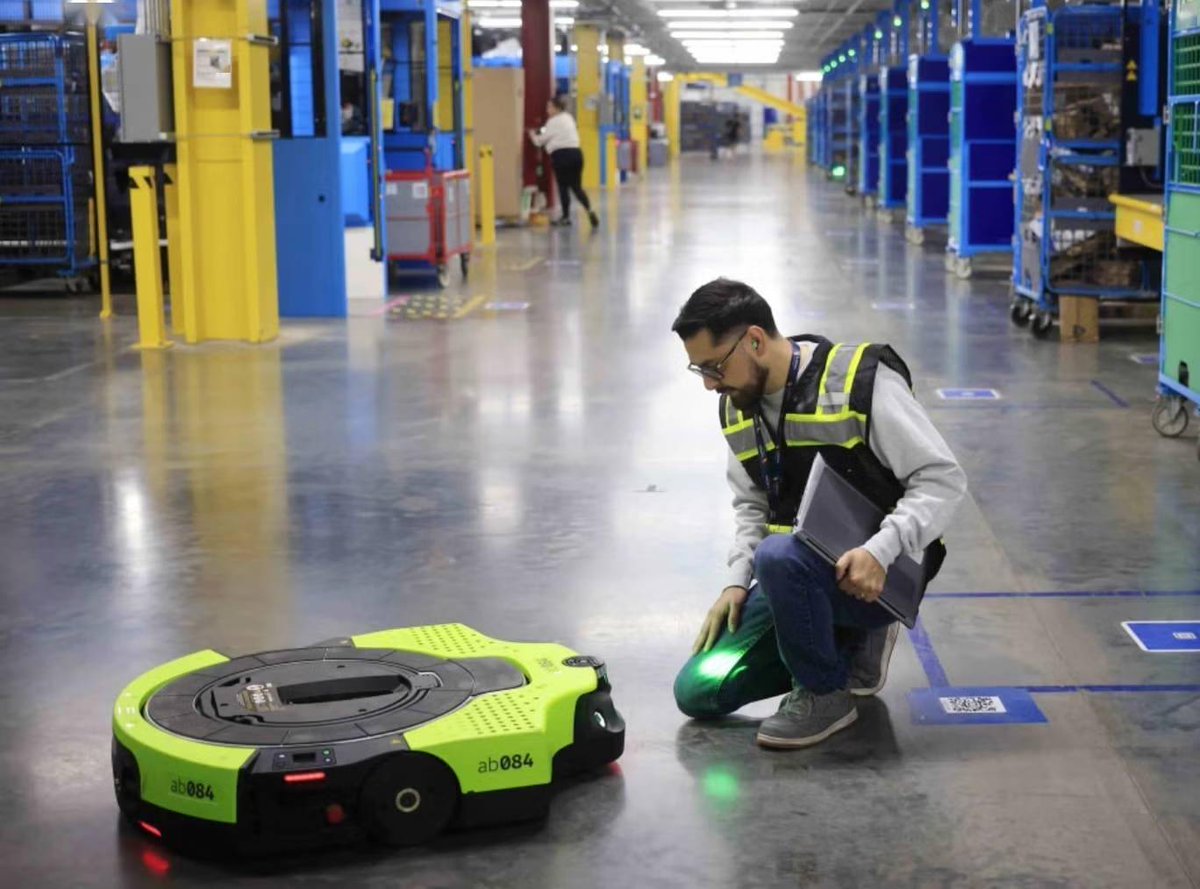
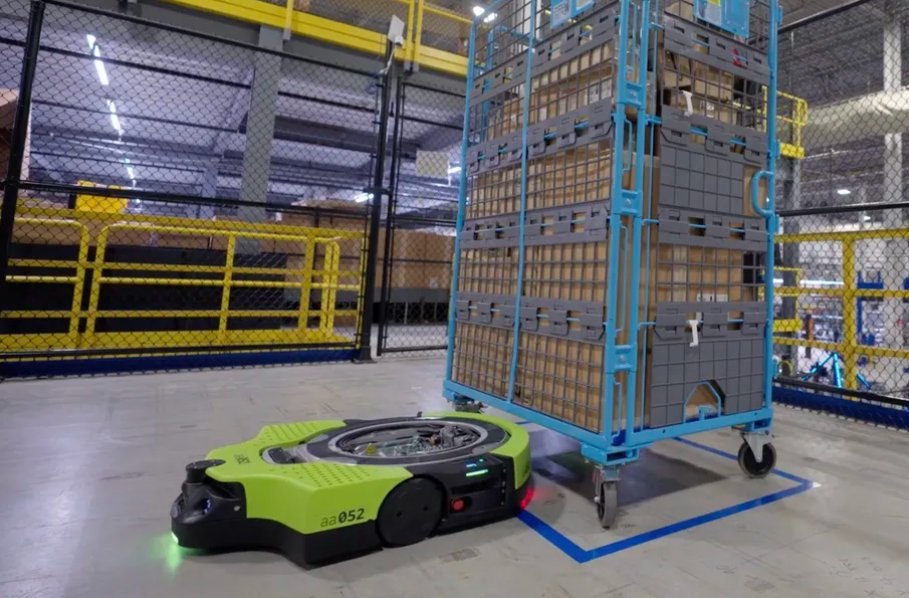
This confluence of cheaper hardware and superior AI is already yielding substantial returns on investment, evident in Amazon’s vast network of over a million warehouse robots and its increased investments in physical AI companies.
The rapid prototyping by firms like Foundation, Apptronik, and Figure further underscores this accelerated progress, with advanced prototypes emerging in remarkably short timeframes.
Despite these advancements, integrating humanoid robots into human environments presents significant safety challenges.
Unlike digital errors, real-world robotic mistakes have irreversible physical consequences, necessitating robust on-board computation for immediate reactions.
The home, with its unstructured, unpredictable nature, remains the ultimate “last frontier” for general-purpose humanoid robots.
The true measure of success will be when such robots can seamlessly perform complex tasks in any home, and when they become affordable for the average family.
#HumanoidRobots,
#AIRobotics,
#PhysicalAI,
#RoboticsRevolution,
#AIAdvances,
#RobotCosts,
#HumanoidFuture,
#AIBreakthrough,
#Robotics2025,
#GeneralPurposeRobots,
#AIinHardware,
#CostReductionAI,
#LidarRevolution,
#BatteryTech,
#Actuators,
#RobotManufacturing,
#40PercentCheaper,
#AmazonRobotics,
#WarehouseAutomation,
#FigureAI,
#Apptronik,
#FoundationRobots,
#RapidPrototyping,
#RobotRunning,
#GracefulRobotics,
#SmoothGaitAI,
#AIEmbodiment,
#EconomicViability,
#ScalableRobots,
#RobotsAtScale,
#SafetyChallenges,
#RoboticSafety,
#PhysicalConsequences,
#OnBoardAI,
#RealTimeReaction,
#HomeRobotics,
#LastFrontierAI,
#HouseholdRobots,
#AffordableHumanoids,
#DomesticRobots,
#AIinEveryHome,
#RoboticsInvestment,
#ExponentialAI,
#HardwareAI,
#SensorRevolution,
#AIAcceleration,
#FutureOfRobotics,
#TechNewswire,
#ArtificialIntelligence,
#RoboticsNews