I want to try something different. I want to talk about the bit of the trip that had nothing to do with the gadgets working, and everything to do with what happens when you're forced to sit with your own setup for 23 hours straight.
That delay is where this really clicked for me. And it landed right at the end of the trip, on the way home, which somehow made it feel worse. You're already mentally checked out, already picturing your own bed, and instead you're stuck in an airport doing maths on compensation thresholds.
You build a
#homelab because you like tinkering. You like the control. You like knowing where your photos live and who can see them. But there's a difference between liking your setup in theory and leaning on it when your flight home has quietly evaporated and nobody's telling you why.
I was not prepared for how much that delay would test the thing I'd built.
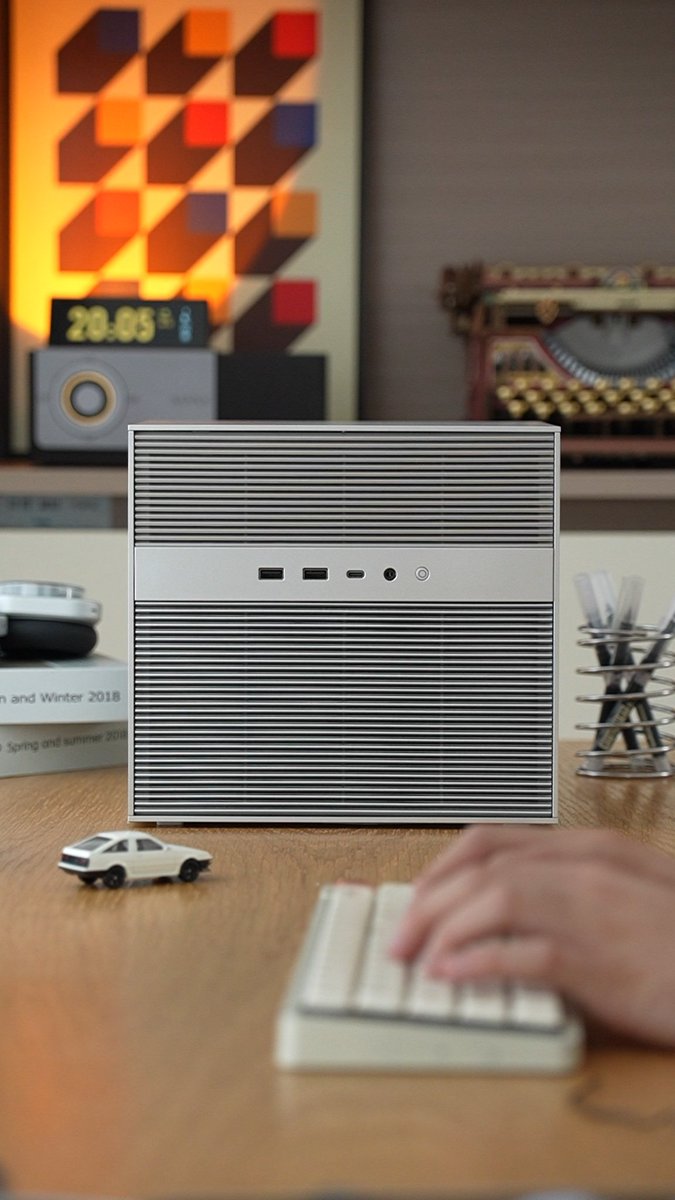
Back home, the setup isn't anything exotic, the main home server is a
#DIY box running Ubuntu LTS and RAIDz1, that's where Jellyfin, Immich, and Nextcloud all live. Behind that sits a
#ZimaCube Pro running
#ZimaOS with RAID6, quietly doing backups so none of that data is one drive failure away from gone. And handling the actual connection out to me was a
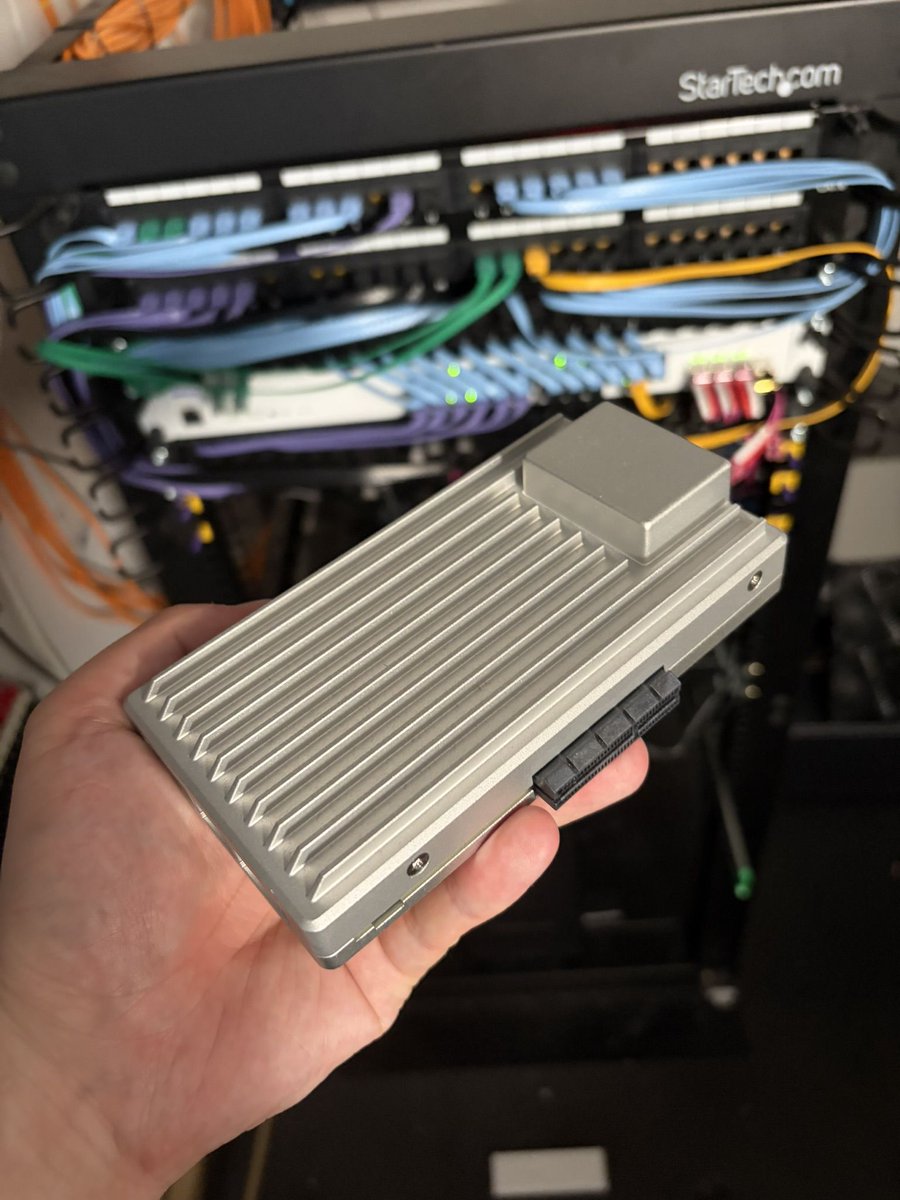
#ZimaBoard 832 running Debian, set up as the Tailscale exit node. Three boxes, three jobs, none of them glamorous.
Most of the trip, the GL.iNet router just sat in the hotel room doing its job quietly. The wifi there was genuinely good, so Tailscale had an easy ride of it. Streaming something from Jellyfin in the evening, syncing photos through Immich, even working poolside, all of it just worked without me thinking about which box was doing what. That's the thing about a good setup — when it's running well, you barely notice the plumbing.
The delay changed that. Suddenly it wasn't background noise anymore. The ZimaBoard was the only reason I had a working connection at all, and behind it the Ubuntu box and the ZimaCube were quietly making sure that whatever I uploaded actually stuck. It was the only reason I had a working photo backup and a paper trail for a compensation claim, instead of forty photos sitting on a phone with a charger I couldn't find.
And this is where the imperfections of the setup mattered, in a good way.
None of this hardware is powerful. The GL.iNet isn't. The ZimaBoard isn't either, not really, it's a small low-power board, not a rack server. Neither was ever built to do anything heroic. But they didn't need to be heroic. They just needed to keep working, calmly, connected back home via Tailscale on my phone while I photographed receipts and tagged them in Nextcloud one by one, trying to remember which meal voucher belonged to which leg of the delay.
There's a temptation, when you build something like this, to chase the flawless version. Faster exit node. Beefier travel router. Zero dropped packets. I get the appeal. I've fallen into that trap myself plenty of times, usually at 11pm with a credit card in hand and a tab open for hardware I don't strictly need yet.
But what I had, sat in that departure lounge, was good enough. Not flashy. Just three small boxes back home, quietly doing exactly what they were set up to do, on the one day that mattered.
A flawless setup asks to be admired. A setup that's quietly done its job asks to be trusted.
I think that's the bit I didn't expect to take home from this trip. Not "my homelab worked," exactly. More that I finally found out what it was actually for. Six months of tinkering, picking hardware, getting the Tailscale config right, choosing
#Nextcloud over some app I didn't own — and it turns out the real test wasn't a benchmark. It was a delayed flight home and a stack of receipts I needed to keep straight.
Maybe that's the point of building this stuff. Not for when everything works — but for the day it quietly has to.