Joined September 2021
4,075 Photos and videos
股票題材研究 TOP 6 KOLs 推薦! 🔥 高質量潛力題材分析與對應股票統整看這些帳號就夠了 1. Serenity @aleabitoreddit 2. qinbafrank @qinbafrank 3. Jukan @jukan05 4. Fiona @nft_hu 5. Macro_Lin @LinQingV 6. Star @starzq 👇 往下看 6 大 KOLs 介紹
21
105
392
183,702
🔵 台廠: 🔹 PSU:台達電 ( 2308. TW )、光寶科 ( 2301. TW )、康舒 ( 6282. TW )、群電 ( 6412. TW )、全漢 ( 3015. TW ) 🔹 MOSFET: 尼克森 ( 3317. TWO )、大中 ( 6435. TWO )、富鼎 ( 8261. TW )、杰力 ( 5299. TWO )、力士 ( 4923. TWO ) 🔵 美國: 🔹 PSU: Advanced Energy ( $AEIS )、Vertiv ( $VRT )、Vicor ( $VICR ) 🔹 MOSFET: onsemi ( $ON )、Vishay ( $VSH )、Alpha & Omega Semiconductor($AOSL)、Wolfspeed ( $WOLF )、 Diodes Incorporated ( $DIOD ) 🔵 日本: 🔹 PSU: 村田製作所 ( 6981. T )、TDK-Lambda ( 母公司 :6762. T )、COSEL ( 6905. T ) 🔹 MOSFET: ROHM ( 6963. T )、Renesas ( 6723. T )、Mitsubishi Electric ( 6503. T )、Fuji Electric ( 6504. T )
Remind me whenever I call out a bottleneck, I should go long myself. Just floated this idea out around MLCC bottlenecks awhile back. Taiyo Yuden up 211.38% $VSH up 146.15% Murata up 155.43% Within the last 2 months... Feels bad.
1
140
依據目前市場資訊: MOSFET 相關交付時間為: 🟠 High voltage MOSFET : 🔸 On Semi ( @onsemi ): 10 至 50 週 🔸 Infineon:12 至 52 週 🔸 Microchip ( @MicrochipTech ):6 至 28 週 🔸 Rohm:12 至 36 週 🔸 Vishay ( @VishayIndust ): 12 至 52 週 🟠 Low voltage MOSFET: 🔸 On Semi ( @onsemi ): 10 至 52 週 🔸 Infineon:12 至 52 週 🔸 Nexperia:13 至 52 週 🔸 Vishay ( @VishayIndust ): 12 至 52 週 👉 PSU 沒有像是 MOSFET 如此明確的時間出現,但依據市場的資訊顯示" AI 伺服器的 PSU " 交期約增加到 18 至 24 週 台達電也表示:功率元件與被動元件交期限制,也已經實際壓到 Delta 泰國廠 Q2 出貨,顯示出目前市場強勁的需求 相關標的又有誰?👇
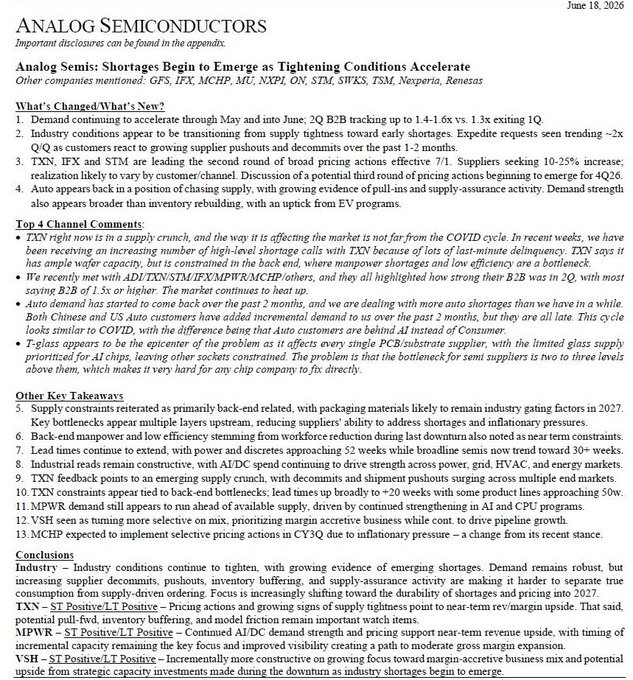
根據產業報告,類比半導體市場正從普遍供應緊張快速轉向早期短缺階段。2026年第二季,需求明顯加速,B2B訂單與出貨比率較上季成長1.4至1.6倍,較去年同期成長1.3倍。客戶端因供應吃緊而積極推單、增加庫存緩衝與供應保障活動,顯示需求強度已超越供應能力。交期大幅延長成為主要警訊。功率元件與分立元件交期已逼近52週,廣泛半導體產品交期也普遍超過30週。 供應限制主要來自後端(back-end)封裝環節,其中「T-glass」(玻璃基板)已成為關鍵瓶頸。由於有限的玻璃供應被優先分配給AI晶片,其他半導體應用嚴重受限,導致PCB與基板供應商產能捉襟見肘。這一瓶頸預計將持續影響2027年產業產出,成為重要的胃納因素(gating factor)。 面對供應緊張,多家龍頭廠商已展開第二輪廣泛定價行動。德州儀器(TXN)、英飛凌(IFX)與意法半導體(STM) 帶頭尋求10%至25%的漲價,自7月1日起生效。市場上也開始討論第三輪定價的可能性,預計最快於2026年第四季實施。此外,Microchip(MCHP)因通脹壓力,預計將在2026年第三季實施選擇性調價。 個股展望正面: - $TXN:短期正面/長期正面。後端瓶頸雖造成供應短缺,但強勁定價與供應緊張環境,將帶動近期營收與毛利率同步上行。 - $MPWR:短期正面/長期正面。AI與CPU強勁需求持續超過供應,公司在營收成長與毛利率擴張上具顯著優勢。 - $VSH:短期正面/長期正面。透過優化高利潤業務組合,加上先前低迷期進行的策略性產能投資,未來上行空間值得期待。
1
80
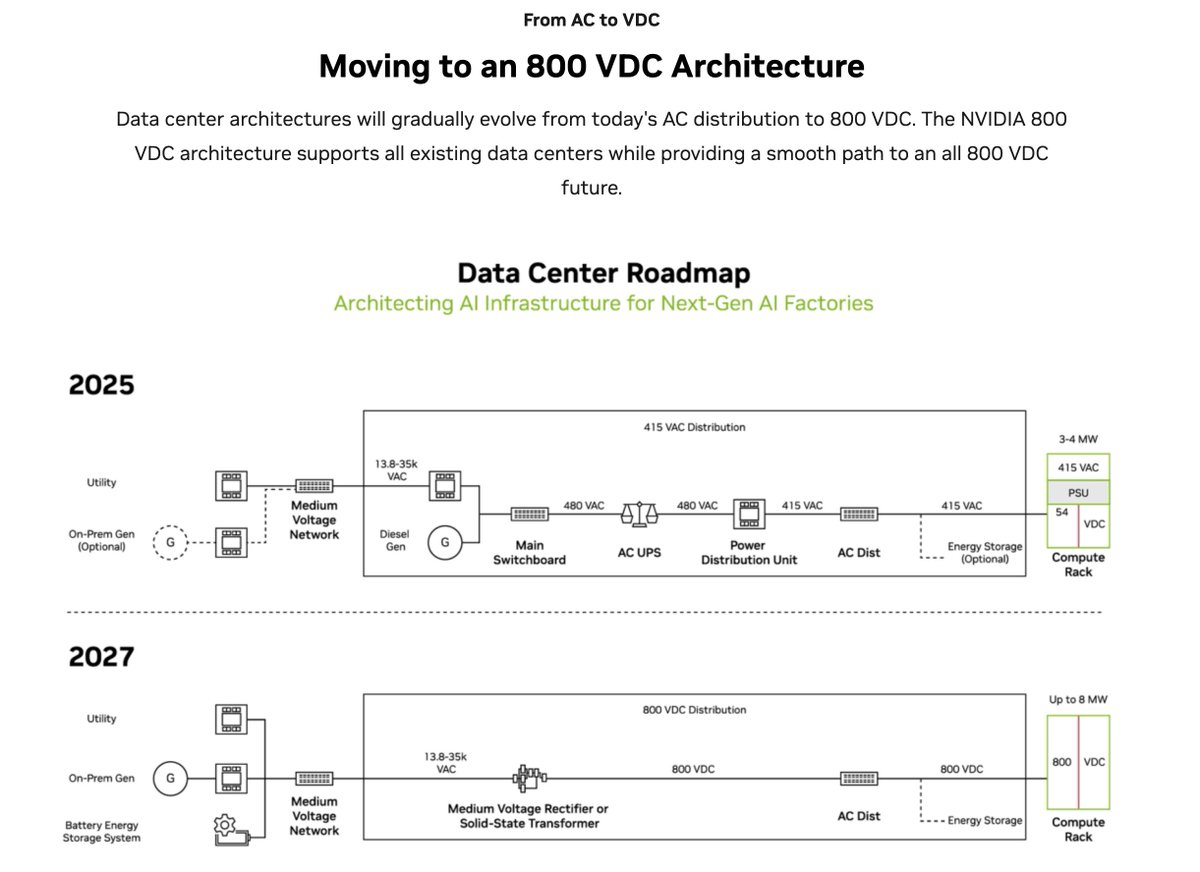
PSU、MOSFET 分別為處在各層面的哪裡? 🔸 層面一:各機櫃直接處理 AC → 800v DC 👉 該層面 PSU 扮演重中之重的角色 因為每個機櫃都需要高效率 AC ( 交流電 ) 轉 DC ( 直流電 ) 的電源模組, 而 MOSFET 則是在 PSU 內部負責高速開關、整流、PFC 與 DC-DC 轉換,決定電源效率、發熱與功率密度 🔸 層面二:Sidecar 供電 👉 到這裡 PSU 變成從單機櫃的小型 PSU,升級為集中式、高功率的 Power Shelf ,而 MOSFET 仍是 Sidecar 電源模組中的核心開關元件 👉 這層有一項關鍵:會大量使用 " 矽 MOSFET " 、 " GaN FET " 、" SiC MOSFET " 🔸 層面三:全固態設計 👉 該層是 800V HVDC 的最終目標,也是 PSU 量會大幅下滑的時候, 因為此時有 " SST " 出現直接讓 AC ( 交流電 ) 轉為 DC ( 直流電 ), 但並非完全取代,在伺服器機櫃內仍然是存在的; MOSFET 則持續會在 SST 、機櫃內等環節中 👉 目前市場上也正走到 " 層面二 :Sidecar 供電 " 這塊 理解完這部分接下來就是好理解的「交期時間」
All right chat, crowdsourcing your #1 highest conviction (10x only) stock long for the Power Semi trade. Especially given $NVDA pushing shift to 800 VDC. Stuff like $NVTS or $WOLF, but high-beta, 10x potential only. Anywhere around the world. What's your pick?
1
76
MOSFET(金氧半場效電晶體)是現代電子與半導體產業的基礎元件 在正式提到 PSU 與 MOSFET 之前,需先知道 800V HVDC 分為 哪三個層面 & PSU 與 MOSFET 的用處: 🔸 層面一:各機櫃直接處理 AC → 800v DC 👉 每個機櫃的附近都會各自處理 AC → 800v DC ,再分別配給伺服器 🔸 層面二:Sidecar 👉 這部分會在伺服器機櫃旁邊掛一個 Sidecar ,把 AC 轉成 800v DC , 一次供給一整排機櫃 🔸 層面三:全固態設計 👉 " 固態變壓器 ( SST ) " 會完成電壓轉換、 AC 轉 DC 、 電力控制等繁瑣流程 ======= 🔸 PSU ( 電源供應器 ):主要功能是把外部進來的電, 轉成伺服器內部可以使用的電 🔸 MOSFET ( 功率半導體開關元件 ):主要功能控制電流流動, 並搭配電感、電容,把電壓轉換成需要的數值 理解 800V HVDC 三層面 & PSU、MOSFET 之後, 接下來看他們各在這三個層面的哪些環節?👇
台湾工商时报说,辉达、谷歌新一代AI资料中心可能率先导入800V HVDC,供应链预期第三季开始小量出货。上周SemiAnalysis一篇认为800VDC大规模出货推迟到2028年,CPO也存在延期风险的报告把AI硬件链吓了一跳。也是上周大摩很快出来回应:CPO短期节奏可以更谨慎,但不认同800V量产推迟到2028年。其供应链调研显示,800V机柜仍按计划在2026年下半年推进。 今天工商时报的报道相当于又给加了一码。
1
1
108
台美功率元件你不可不知 👀 相關零組件交貨期超過「半年」❗️ $AEIS$VRT$VICR$ON$VSH 、 $AOSL、 $WOLF$DIOD 👉 其中 MOSFET 元件的交期最遠甚至來到將近一年!( 52 週 ) 當新一代的資料中心架構 - 「 800V HVDC 」出現 機櫃耗電量劇增,過往的電力架構就會開始遇到三個問題: 🔹 電力轉換損耗提高 🔹 線纜與配電設備成本上升 🔹 PSU、MOSFET、GaN、SiC 與測試設備需求同步放大 👉 也是導致功率元件的交貨期開始拉長、漲價的因素 下方就來看看 MOSFET 與 PSU 分別在 800V HVDC 的哪些環節中👇
▶ AI data centers spark 800V HVDC rush for Taiwan lead frame suppliers - The shift toward 800V high-voltage direct current (HVDC) power architectures in AI data centers is gathering pace, driving a surge in demand for power semiconductors. - As a result, shipments at Taiwanese lead frame makers SDI Corporation and Jih Lin Technology are climbing, with both companies expected to deliver double-digit revenue growth in 2026. - Lead frame suppliers note that demand for AI server power-management systems has risen sharply in recent months, with orders from global IDM customers such as Infineon and STMicroelectronics also expanding. - Whereas automotive demand had previously been the key growth driver, 2026 is shaping up to be the inflection point at which servers take over that role, marking a structural shift in lead frame demand. - Lead frame makers explain that the automotive-grade product expertise they have built up over years is proving to be a critical foundation for entering the AI server power-management market, since automotive and AI servers share similar requirements in terms of high-power handling, thermal dissipation, and reliability. - SDI notes that, in the near term, the pickup in orders for AI power management is running ahead of expectations. In particular, its high-power lead frame products for HVDC applications have moved beyond the R&D stage into volume production, with more than 40 custom projects currently underway. - SDI's AI-related revenue accounted for only around 1% of the total in 2025, but is set to rise quickly to 6% in the first quarter of 2026. The company also expects the revenue contribution from HVDC-related projects to ramp up in earnest from the second half of 2026. - Jih Lin notes that, supported by a recovery in the automotive market and expanding AI server demand, utilization has risen to the 70–75% range. It also expects 2026 revenue to grow quarter over quarter, making its full-year target of NT$6 billion achievable. - Jih Lin's AI-related revenue stood at roughly 5–7% of the total in 2025, and the market expects that share to surpass 10% by 2027. - The company is expanding into the AI power-management market on the strength of its integrated stamping-and-etching capabilities, and continues to develop 40–50 new products each year. - It is also applying the double-sided cooling and thermal-dissipation technologies previously used in automotive modules to its AI server products, and says it is receiving a positive response at the customer evaluation stage. - Overall, Taiwanese lead frame makers emphasize that order visibility is improving significantly, underpinned by expanding AI demand and long-standing partnerships with IDM and OSAT customers. - Players with high automotive exposure expect the expansion of ADAS and the vehicle electrification trend to likewise drive a recovery in automotive semiconductor demand. - The industry views the inventory correction phase as effectively complete, and sees a strong likelihood that shipment momentum will build further as 2026 progresses into the second half.
1
447
Crypto Wesearch 每日幣研 reposted
美國 🇺🇸 國慶日讓大家休息了一陣子 $BTC 回暖 63K , 美股能再次起飛嗎 Hyperliquid 上面的聰明錢一直都是大家主要關注的,包含異動的交易量,或者是持倉量 我們從交易對開始做監測,如果出現以下情況,都是我們應該要注意的警訊: 1. 有一些奇怪的標的出現,比如 $TSLA 就是我預期之外的 2. 明明是市場上主流標的,交易量卻驟減,這可能意味著市場並不會如大家預期的一樣順利反彈 就像前陣子看到的,相對於整體市場交易量,流動性出現了大幅的回撤,這就是警訊
9
1
29
3,231
Crypto Wesearch 每日幣研 reposted
韓國股市的瘋狂, 真的得先去槓桿再等回暖了... 與其他股票槓桿倍率相差 16 倍 ❗️ 先前就有不少數據提及韓國市場的組成有一大部分是由槓桿 ETF 所組成(13%),以台灣來說只有 3% 高槓桿組成的問題是,當市場出現回撤時,踩踏現象會更加明顯 而韓國小資族(資產 3 萬美金左右)幾乎有 20% 持倉都是槓桿 ETF... 可以看到圖中海力士、三星的槓桿數據,都是現股的 3-4 倍左右 海力士 $SKHYNIX : 槓桿 ETF 總資產為 200 億美元 現股資產為 45 億美元 三星 Samsung:槓桿 ETF 總資產為 120 億美元 現股資產為 45 億美元 美光 $MU :槓桿 ETF 總資產為 100 億美元 現股資產為 270 億美元 相對其他股票 30% - 40% 的比例,倍數足足差了 16 倍之多,也就是說海力士 & 三星的股票槓桿集中度極高 我認為以海力士為首的記憶體小牛回撤還沒結束,這些槓桿至少要再殺更多才有更好的入場機會
Leverage in South Korean chip stocks is out of control: Single-stock leveraged and inverse ETFs tracking SK Hynix now hold ~$19 billion in total assets, more than 4 times the stock's average daily trading volume this year of ~$4.5 billion. At the same time, Samsung has ~$12.4 billion in leveraged ETF assets, 176% above its ~$4.5 billion in average daily turnover. Furthermore, the Hong Kong-listed 2x leveraged long SK Hynix ETF, which holds ~$13 billion in assets, is worth about twice the value of SK Hynix shares traded on an average day, the widest gap of any major stock with a leveraged ETF tracking it. By comparison, Micron, $MU, has ~$9.9 billion in leveraged ETF assets, well below its ~$27.5 billion in average daily trading volume. All while Tesla, $TSLA, and Nvidia, $NVDA, have leveraged ETF assets of ~$6.0 billion and ~$5.6 billion, both far smaller than their daily trading volumes of ~$23.6 billion and ~$28.8 billion, respectively. Leverage concentration in Korean chip stocks is through the roof.
3
1
18
2,720
於 6/4 發布的 NVIDIA Nemotron 3 Ultra 成為美國最聰明的開源模型
NVIDIA has just released Nemotron 3 Ultra, the new most intelligent US open weights model, with leading speed for its intelligence Nemotron 3 Ultra scores 47.7 on the Artificial Analysis Intelligence Index, well ahead of the next strongest US open weights models, Gemma 4 31B (39.2), Nemotron 3 Super (36.0) and gpt-oss-120b (33.3), but behind the Chinese-led open weights frontier (Kimi K2.6 at 53.9). We partnered with @NVIDIA to evaluate this model for intelligence and speed ahead of its public release. These figures use the final NVFP4 weights that NVIDIA recommends for inference, but our tests show minimal intelligence impact compared to BF16 testing, with higher precision resulting in an Artificial Analysis Intelligence Index score of 48.2 vs. the NVFP4 score of 47.7. Key Takeaways: ➤ Nemotron 3 Ultra leads in speed for its intelligence: through BlackBox AI ahead of release, Nemotron 3 Ultra is served at over 400 output tokens per second - this is slightly faster than the typical serving speed of gpt-oss-120b despite being >4X larger, and comes with significantly greater intelligence ➤ Largest Nemotron 3 model so far: with approximately 550 billion total parameters and 55 billion active, Nemotron 3 Ultra is significantly larger than its siblings and is the largest and most intelligent US open weights model release ever ➤ Nemotron 3 Ultra is the leading US open weights model on the Artificial Analysis Intelligence and Agentic Indexes by far, but Gemma 4 31B scores ~1 point higher on the Coding Index (comprised of Terminal-Bench Hard and SciCode)
173
Coinbase CEO @brian_armstrong 在公司 AI 模型使用上提升 GLM 5.2 和 Kimi 2.7 的採用率
How to keep AI spend flat while token usage grows exponentially: Not with friction and spend alerts. With better defaults, routing, and caching. Better Defaults (not Usage Caps) – Engineers can choose any model they want, but defaults matter. We’re experimenting with defaulting to open weight models like GLM 5.2 and Kimi 2.7 through our LLM gateway, while still encouraging engineers to choose the right model for the task. 91% of our employees were never hitting their usage caps, so instead of lowering caps and driving up alerts, we're moving to cheaper defaults. Note that code reviews use a diversity of models, so they can check each other's work. Better Routing – In our custom harnesses, we preprocess prompts and route to the best model for the job, considering cache hits and model pricing. For instance, you may want a frontier model for planning, but not for execution where they can be overkill. Ultimately, humans shouldn't be choosing models - AI can automate this task. Better Caching – Cache misses are the easiest way to drive your cost up. All of our requests are cache aware, so we’re reusing a warm cache wherever possible. For example, our cache hit rate went from 5% → 60% in LibreChat once properly implemented. Keep Context Lean – Start fresh sessions when switching tasks. Scope file context narrowly. Disconnect unused tools. Don't just compact. The goal isn't fewer tokens used, it's fewer tokens wasted. Better Visibility – Our engineers can use as many tokens as they want, from whatever model they want, but we’ve made usage visible – and the more you spend on AI, the more impact we expect. The goal isn't to suppress usage. It's to build the infrastructure that makes exponential growth sustainable. Putting this into practice has cut our AI spend nearly in half, while our token usage continues to grow.
1
349
5 倍推理速度、成本降低 30%,美國最強開源模型 NVIDIA Nemotron 3 Ultra NVIDIA 應用深度學習副總裁 @ctnzr 反駁「中國強大的開源模型全靠蒸餾與抄襲」一說 曾在百度的矽谷 AI 實驗室與 - 吳恩達 @AndrewYNg(前百度首席科學家、Google Brain 專案領導人) - Dario Amodei @DarioAmodei(Anthropic 共同創辦人兼 CEO) 共事的 Bryan 認為中國「無法」全靠抄襲就能創造出當今世界上最好的開源模型 同時讚賞中國 AI 社群「公開成果」的做法,表示其推動了 AI 生態系的進步 Bryan 盤點開源 AI 模型的好處在於滿足客製化訓練的需求,且前沿技術不會被少數人控制 開發 NVIDIA Nemotron 的目的是什麼? Bryan 的回答是,讓 NVIDIA 徹底理解 AI 的運作模式,便能反過來設計未來系統,同時支援自家生態系
Inside Nemotron and NVIDIA's AI lab: my conversation with Bryan Catanzaro (@ctnzr). @nvidia is a chip company. So why does it put hundreds of researchers on building AI models - and then give them away for free? We go deep into the Nemotron models, what it takes to build a top AI lab, and the future of frontier AI. 01:33 - Is open source AI catching the frontier? 05:29 - Do closed labs blocking distillation slow open source down? 07:42 - Is the US falling behind China? 10:30 - Why companies actually choose open models 12:39 - A "crazy" 2008 bet: machine learning on GPUs 15:33 - Working with Andrew Ng and Dario Amodei at Baidu 17:41 - Coming back to NVIDIA: DLSS and the birth of Megatron 21:55 - The real reason NVIDIA builds its own models 24:28 - Is Moore's Law really dead? 33:37 - The Nemotron family: Nano, Super, Ultra 35:09 - Built for agents: why NVIDIA bets on speed 36:02 - How you train a 550B model in 4 bits 39:25 - Hybrid Mamba-Transformer, explained simply 42:31 - Mixture of experts, and why NVIDIA built NVL72 around it 47:26 - Why a 1-million-token context window matters 49:26 - Multi-token prediction: how the model predicts 5 tokens at once 52:47 - Multi-teacher distillation: teaching one model from many 58:01 - Where reinforcement learning goes next 01:00:16 - Inside NVIDIA's research org: "the mission is the boss" 01:04:03 - How NVIDIA decides who gets the GPUs 01:10:53 - Why NVIDIA still feels entrepreneurial after 33 years 01:12:58 - Why Bryan doesn't believe in the singularity 01:17:50 - The AI backlash 01:19:18 - The controversial case: open AI is safer than closed
1
1,225
Crypto Wesearch 每日幣研 reposted
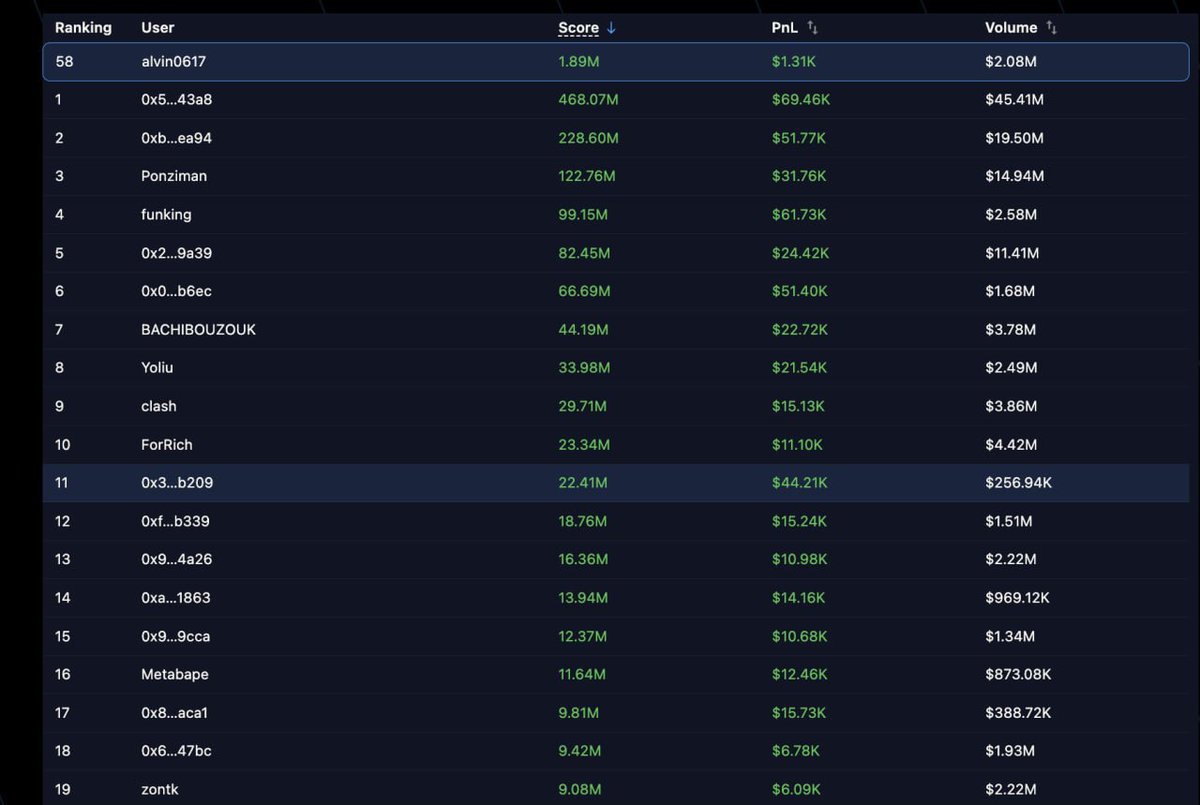
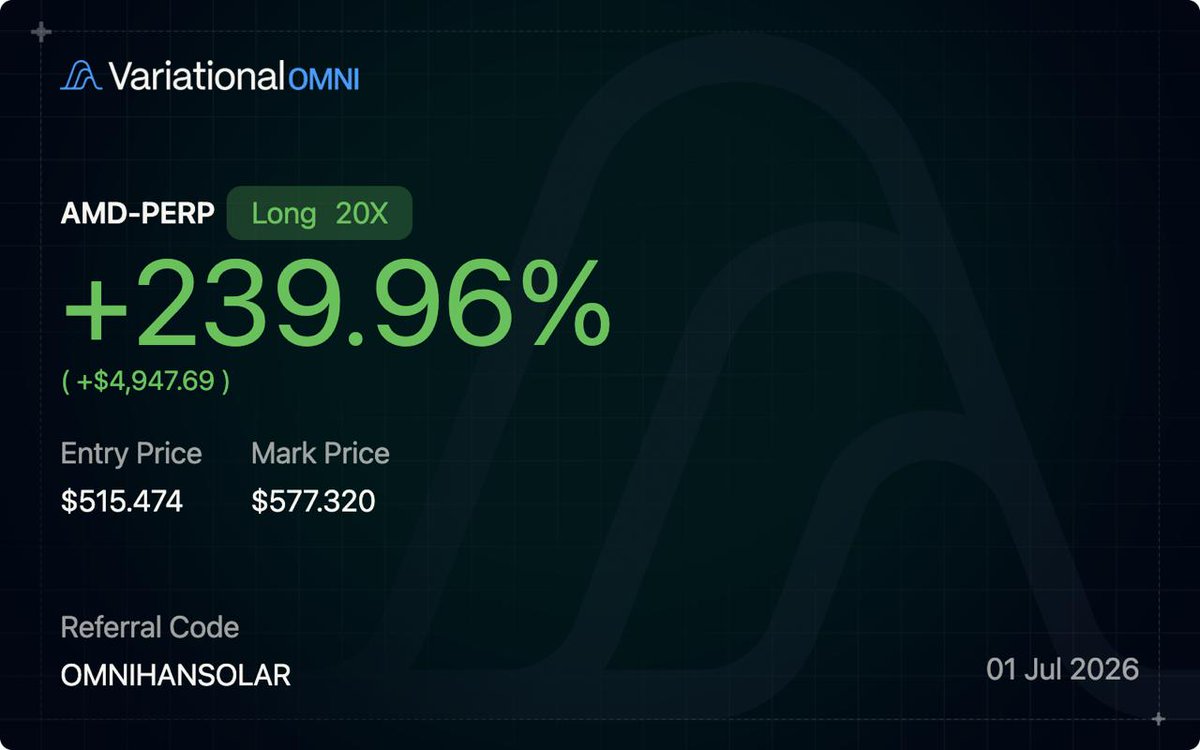
因為 Variational 這次的 rwa 交易賽開始了, 恰逢前陣子股市行情不錯, 回去體驗了一下 幸運的是我自己沒有因為這波記憶體大回撤虧麻, 反而有幾筆做空 $SOXL 的交易讓我可以在 top 60 😅 沒有意外的話, 前陣子加入 Variational 的超級 degen @hansolar21 應該也在榜上, 看看他的靈敏度 👀 稍微分析了一下這次的交易數據會發現幾個有趣的點 名次不再像是先前有個別透過「交易量」「PnL」來進行排名,而是根據 Score = A × √B 這一個綜合公式來做總排名 1. 交易量高額的非常誇張,前 130 名交易量都在 1M 以上 2. 總參與者為 650 名,底部參與者仍然有多號刷量的情形,大概控制在最少 280K 的量體 , 其實也不少了 3. 實際盈利者只佔 33% ,幾乎只有 200 位參與者盈利在 100u 以上 😂 4. top 20 盈利在 10K 以上 因為 Variational 用 RFQ 模式,平台的獲利來源不是手續費,而是點差(spread),這一筆收入就會成為後續 OLP 用戶的收益來源 看了一下除了黃金 $XAU 的點差為 0.01% 以外,其餘 top 10 的交易對,點差落在 0.02% ~ 0.03% 左右,不同交易對交易量的差異也很大 不論這些參與者的真實用戶比例, 至少以辦比賽的角度在說, Variational 團隊穩賺不賠 比賽還有 10 天,估算光是單次比賽能夠帶來的整體交易量會是在 7.8 億美金(780M) 左右 也就是說,點差收入為 14 萬美金左右,為本次獎池的近 7 倍 接下來 Variational TGE 後我會注重他們的交易量能否維持 , 以及滑點能否改進, 當前還是太高 , 以及 OLP 之後推出的使用率 這三個要素會是 variational 能否繼續吸引用戶使用的關鍵
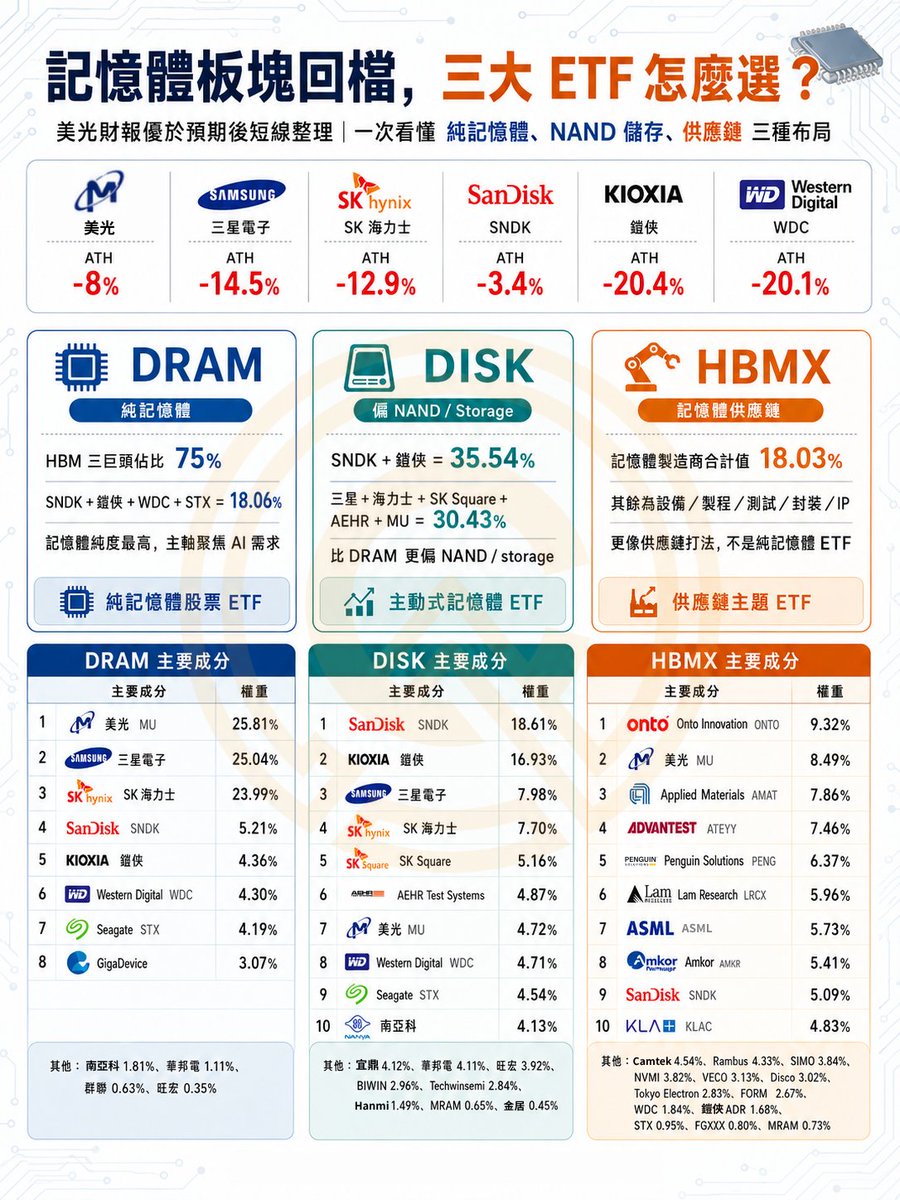
Memory is king • Elon focused on HBM for terafab as the most important bottleneck(not NAND or HDDs) • Gavin Baker: HBM could be 3–40% of hyperscaler capex in 2027 • Jukan: memory may matter more than Nvidia going forward • Micron CEO: robotics may require 10x more memory • Memory is still cyclical, but HBM is becoming less commodity-like x.com/AlexCorrino/status/207… Main longs • SOXL • HBM: SK Hynix, Samsung, Micron Barbell “Anything that helps soften the memory blow should do well over the next year” Would approach these more technically • MRVL: custom ASIC HBM architecture for hyperscalers • PENG: CXL / KV-cache servers to offload GPU HBM pressure • QCOM: HBC, near-memory compute, possible HBM alternative robotics angle • AMD: MI350/MI450 = non-NVDA HBM capacity monster
10
2
26
2,429
潛在的 SK 海力士股價大幅波動時間點: - 7/10 SK 海力士 ADR 預定上市日期 - 7/29 Q2 財報發布日
SK Hynix Officially Decides on US Nasdaq ADR Issuance: 17.79 Million New Shares, Up to KRW 45.5 Trillion in Proceeds ▶️ ADR Issuance Overview Board resolution date: June 24, 2026 (all six outside directors in attendance) Issuance type: New share DR (third party allotment method) Listing exchange: Nasdaq (Nasdaq Global Select Market) Scheduled listing date: July 10, 2026 Scheduled new share listing date: July 29, 2026 Subscription and payment date: July 14, 2026 ▶️ Issuance Scale Maximum new share issuance limit: 17,790,000 shares Reference issue price: KRW 2,555,000 per common share (based on the June 23 closing price) Total DR issuance value (reference): approximately KRW 45.4534 trillion Conversion ratio of underlying shares per DR: 0.1 share (1 DR = 0.1 common share) Final issue price to be confirmed after bookbuilding ▶️ Use of Proceeds (entirely facility funds) Investment in the construction of the Yongin Semiconductor Cluster Phase 1 fab (Y1) Construction, equipment, and incidental costs for the Cheongju P&T7 advanced packaging fab EUV scanner construction and facility investment ▶️ Underwriters BofA Securities Citigroup Global Markets Goldman Sachs (Asia) J.P. Morgan Securities ▶️ Other Overseas depositary institution: Citibank, N.A. / Underlying share custodian: Korea Securities Depository Confirmed disclosure approximately seven months after the December 2025 inquiry disclosure
328
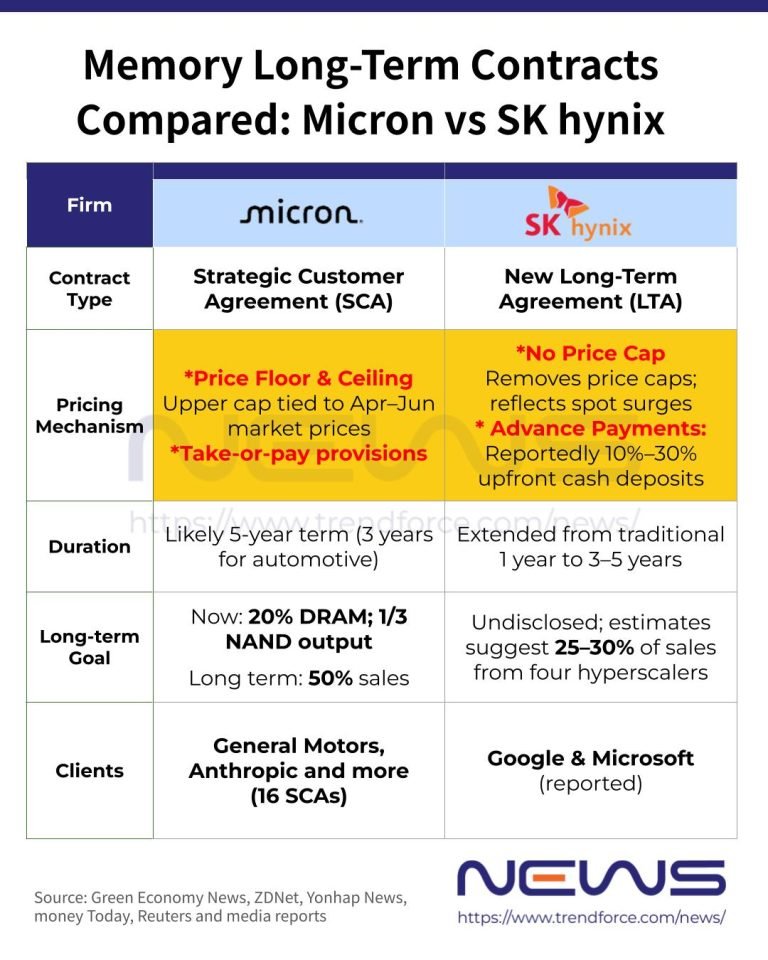
SK 海力士正在將部分記憶體長期供應協議(LTA)中移除價格上限,意味著記憶體價格恐持續上升
SK hynix is reportedly removing price caps from some memory long-term supply agreements, per TrendForce citing Korean media. That would let contract prices fully reflect spot market surges during shortages. This differs from $MU’s Strategic Customer Agreement model, which reportedly includes price floors, price ceilings tied to Apr-Jun market prices, and binding volume commitments. Memory LTAs are also reportedly moving from traditional 1-year terms to 3-5 years.
1
271
$RAM 在首個交易日獲 3.8 億美元交易量,成為有史以來美國槓桿 ETF 首日交易量最高紀錄
Shocking stat of the day: The 2x leveraged long memory ETF, $RAM, posted ~$380 million in notional volume on its first trading day on Wednesday, the largest first-day volume for any US-listed leveraged or inverse ETF on record. This fund tracks the memory ETF, $DRAM, and is designed to deliver 200% of its daily performance. This exceeds the previous record, set by the 2x leveraged long SpaceX ETF, $SPCH, which saw ~$280 million in notional volume on its June 15 debut. By comparison, the 2x leveraged short SpaceX ETF, $SSPC, ranked 3rd with ~$215 million in volume on its June 15 debut. Meanwhile, the Memory ETF, $DRAM, is up 177% since its inception on April 2nd. Capital is flooding into memory and storage technology stocks.

1
187
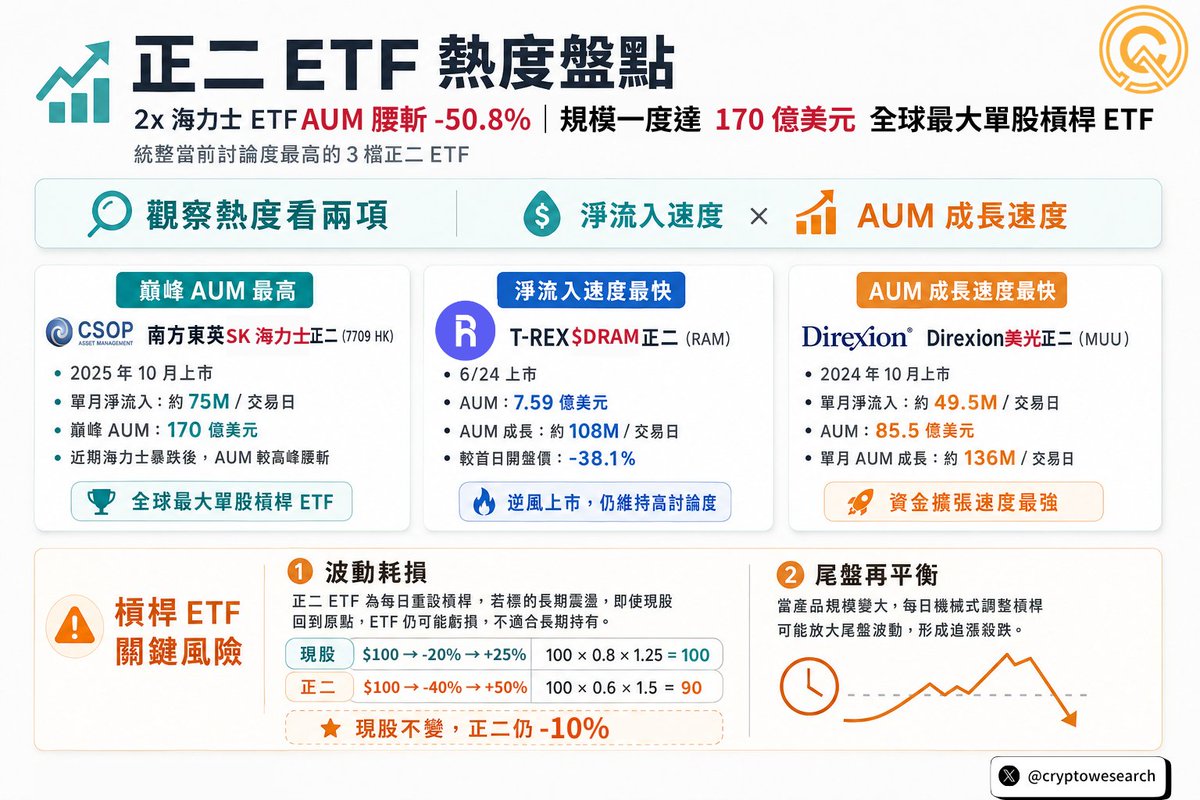
⚠️ 槓桿 ETF 投資風險: 1. 波動耗損,正二 ETF 是每日重設槓桿,追蹤標的若經歷長期波動震盪,即使最後價格回到原點,ETF 仍可能因槓桿放大而虧損,因此不適合長期持有 舉例: 假設現股 $100 先跌 20% 再漲 25% 回到原點 $100 $100 × 0.8 × 1.25 = $100 正二 $100 對比跌 40% 再漲 50% 僅回到 $90,相當於現股價格不變,正二卻跌了 10% $100 × 0.6 × 1.5 = $90 2. 尾盤再平衡放大波動,當產品規模龐大時,每天被迫執行的機械式增加、降低槓桿會讓尾盤波動放大,形成追漲殺跌現象
7709 两倍做多海力士,这种2X杠杆产品,是不适合持有超过一个月的。 因为长期震荡波动一定会磨损巨大。我用AI做了个解释。 假設SK海力士(正股)連續兩天: 先漲10%,再跌9.09%,最終回到原點(典型震盪)。 正股表現:第1天:100元 → 110元( 10%) 第2天:110元 → 100元(-9.09%) 總計:0%(回到原點) 2x杠杆ETF(7709類似)表現: 第1天:100元 → 120元( 20%) 第2天:120元 → 98.18元(-18.18%) 總計:-1.82%(明明正股沒跌,ETF卻虧了!) 我的建议是如果有IBKR,就IBKR买正股。 如果会用Hype直接Hype开2X也可以。费率经常也会负,费率也不算离谱。 如果都没有,只建议短期持有7709这类杠杆ETF,因为震荡行情,非常吃亏,磨损很大。
1
274
2x 槓桿海力士 ETF AUM 腰斬 -50.8%!規模一度達 170 億美元的全球最大單股槓桿 ETF 分析討論度最高的 3 檔正二 ETF ‼️ 要判斷槓桿 ETF 熱度,主要觀察的數據包含「淨流入速度 AUM 成長速度」 南方東英 SK 海力士正二(7709 HK):巔峰 AUM 最高 2025 年 10 月上市,單月淨流入速度約 75M/交易日,因應近期海力士暴跌,AUM 自 170 億美元高峰處腰斬至 83.9 億美元 T-REX $DRAM 正二( $RAM ):淨流入速度最快 6/24 上市後正好遇上記憶體版塊暴跌,當前較首日開盤價跌幅 -38.1%,AUM 7.59 億美元,成長速度約 108M/交易日 Direxion $MU 正二( $MUU ):AUM 成長速度最快 2024 年 10 月上市,單月淨流入速度約 49.5M/交易日,AUM 85.5 億美元,單月 AUM 成長速度 136M/交易日
2
794
Robinhood Chain 上第一個金庫的抵押品: Spark @sparkdotfi spUSDG Maple @maplefinance syrupUSDG Ethena @ethena USDe
Robinhood Chain上第一个金库,底层抵押品: spUSDG - Spark syrupUSDG - Maple USDe - Ethena 上层就是Robinhood Earn的门户产品,代表Robinhood目前最信任的三个defi yield。
1
178
第一個在 Robinhood Chain 上由 @virtuals_io 驅動的 AI Agent @axol_io 已上線 可自主運行獨立錢包,並且在人類授權同意下完成交易決策
The first AI agent for @RobinhoodApp Chain, powered by Virtuals, is live Raxol (@axol_io) runs agents with their own wallets, spending only under a mandate a human signed, settling privately through Xochi so the strategy never hits the mempool. All open source.
1
169
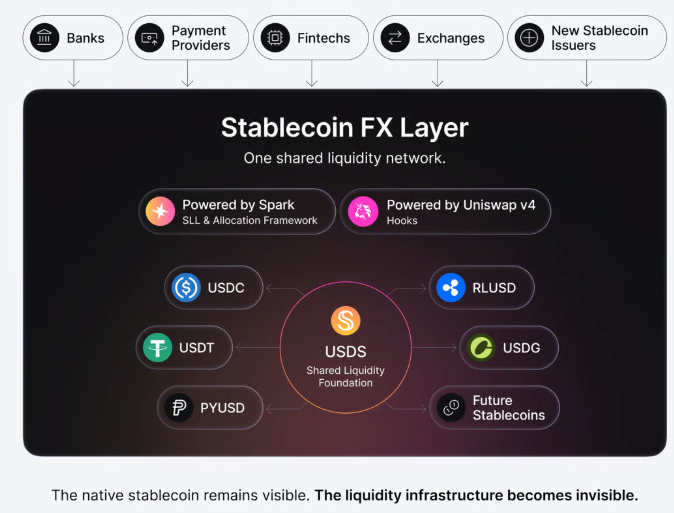
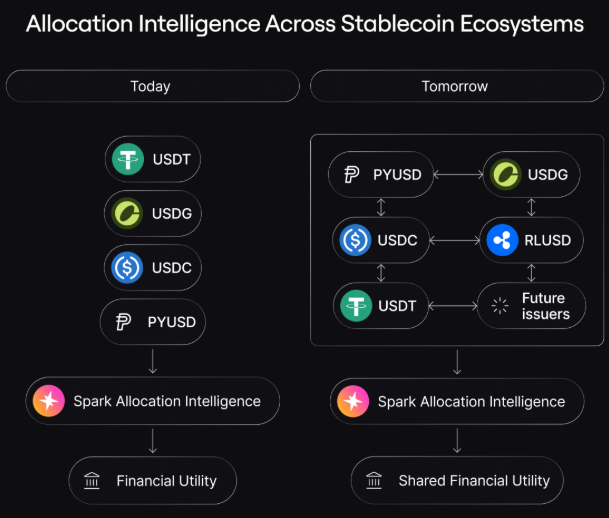
Robinhood 用戶存入USDG → 自動轉為 spUSDG 作為收益憑證 → 然而 Spark 配置大部分為 USDS → USDS 在 Spark 生態借貸與提供流動性 → 產生 7% 收益回饋給用戶
Spark这次和Robinhood的合作把原本只属于Sky自己USDS的收益大规模输出给其他的稳定币,在Robinhood昨天宣布用户存入USDG就可以得到7%收益率,但实际上底层会自动将其转换为Spark的spUSDG作为收益凭证,Spark会再将USDG进行动态的资产配置,其中大部分置换为USDS后,就可以流入Spark整个体系中,从抵押借贷、流动性提供等渠道赚取收益。 如下面两张图所示,USDS则扮演了两个角色,首先作为各种稳定币互相兑换的中介,稳定币们之间不需要再单独一遍遍的组建交易对和池子,而是都和USDS对接一次就行,之前是A-B,A-C,A-D.....,现在是A-USDS-XXX,流动性统一由USDS进行协调。 其次因为都接入了USDS,所以各个稳定币都可以共享一套收益来源,不需要再绞尽脑汁的去想办法怎么给用户赚利息,由底层的USDS统一帮大家去动态的在各个渠道和策略分配资金赚取收益。
1
57