




Pinned Post

3 Feb 2025
中国的民族主义已成为当代地缘政治中不可忽视的力量。但要真正理解这一现象,我们需要深入探讨一种特定的意识形态:皇汉主义。这种历史、文化和政治交织的复杂体系,不仅塑造了中国的民族身份,也影响着其内政和外交政策。让我们一探究竟。
早在两千多年前,中国哲学家孔子提出了‘华夷之辨’的概念,即区分文明的‘华’人和周边被称为‘蛮夷’的其他族群。这些族群被归为东夷、南蛮、西戎和北狄,并被视为低于汉族的‘野蛮人’。这种文化和种族上的优越感成为了中国身份认同的基础。
即使在今天,这种区分依然存在,激发了汉族多数的自豪感和团结感,同时边缘化了少数民族。这正是今天所称的‘皇汉主义’的基石。”
19世纪末,中国因外国侵略和不平等条约而屡遭羞辱。此时,思想家严复引入了社会达尔文主义的概念。他的著作《天演论》主张,国家如同物种,必须进化和竞争才能生存。
严复的思想引发了共鸣,加强了中国人对自身文化优越性的信念,以及复兴的必要性。这不仅关乎生存,更是为了重塑昔日的辉煌。这种信念后来成为‘强大中国’现代民族主义叙事的支柱。
“快进到20世纪。尽管共产主义似乎与民族主义相冲突,中国共产党却将其作为实现统一的工具。在毛泽东的领导下,共产党将自己塑造成中国人民的捍卫者,对抗帝国主义和外来压迫。
这一叙事超越了民族和区域差异,创造了一种集体身份。然而,它也埋下了一种危险的民族主义种子,这种民族主义优先考虑汉族多数,而非中国境内的其他族群。
法西斯主义,即法西斯主义,是皇汉主义框架中相对较新的组成部分。事实上,它的影响仅在过去20年内开始扎根,与全球极右翼、威权意识形态的兴起密切相关。
2017年,习近平取消国家主席任期限制,标志着权力集中化的转变,这是法西斯政权的典型特征。这一决定引发了全球对中国民主原则衰退的担忧,也进一步巩固了皇汉主义的威权主义底色。
在过去的二十年里,极右翼威权主义与中国民族主义的结合加强了汉族文化和种族优越的叙事,进一步孤立少数民族并压制异见。”
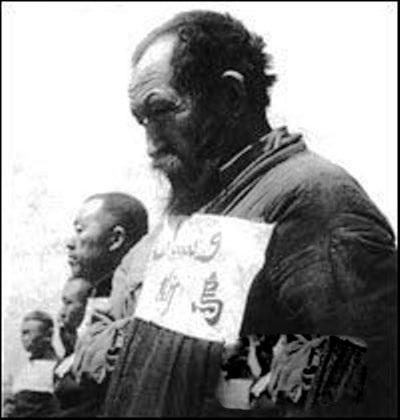
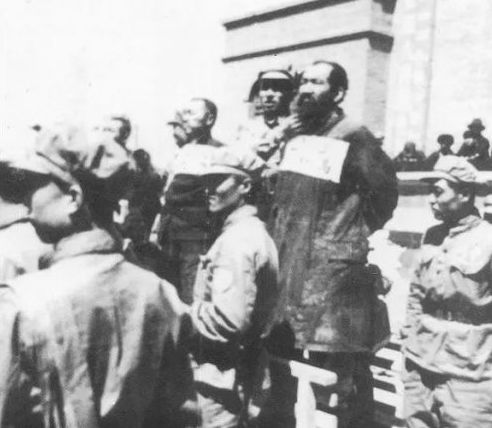
同一年,东突厥斯坦维吾尔种族灭绝开始了,这是皇汉主义的可怕体现。大规模拘留、强迫劳动和文化抹杀反映了民族主义与威权主义的危险结合。”
这不仅是一个国内问题,更是一个全球性议题——当文化和种族优越感与不受约束的政治权力相结合时,其危险性不容忽视。
皇汉主义不仅仅是一种意识形态——它是现代中国民族主义的基石。这是一股植根于古老信仰、由生存主义学说塑造,并被威权政权武器化的力量。在21世纪,理解它的历史与演变,对我们审视中国在全球中的角色至关重要。
3 Feb 2025

China is a not your typical 1950 Cold War communist country.
China is a country fueled by Chinese Nationalism (皇汉主义), leading by President Xi Jinping. Actually average Chinese netizens call him “Emperor Xi (习皇)。
Chinese nationalism (Han Supremacism )has become an undeniable force in modern geopolitics. However, to truly understand this phenomenon, we must delve into a specific ideology: Han supremacism (皇汉主义)。 This complex system, interwoven with history, culture, and politics, has not only shaped China’s national identity but has also influenced its domestic and foreign policies. Let’s take a closer look.
Ancient Roots: The “Huayi Distinction”
More than 2,000 years ago, the Chinese philosopher Confucius introduced the concept of “Huayi Distinction” (华夷之辨), which categorized civilized “Hua” people (the Han Chinese) as distinct from surrounding ethnic groups, whom he referred to as “barbarians.” These groups were classified as the Dongyi (Eastern Barbarians), Nanman (Southern Barbarians), Xirong (Western Barbarians), and Beidi (Northern Barbarians)—all considered culturally and racially inferior to the Han. This sense of cultural and racial superiority became the foundation of Chinese identity.
Even today, this distinction persists, fueling Han-majority pride and unity while simultaneously marginalizing ethnic minorities. This ideological cornerstone is what we now call Han supremacism.
The 19th Century: Survival of the Fittest and National Humiliation
By the late 19th century, China suffered repeated humiliations at the hands of foreign powers through invasions and unequal treaties. It was during this period that the thinker Yan Fu (严复)introduced the concept of Social Darwinism. In his book Tianyan Lun (Evolution and Ethics), he argued that nations, like species, must evolve and compete for survival.
Yan Fu’s ideas resonated deeply, reinforcing the Chinese people’s belief in the superiority of their culture and the necessity of national revival. This was no longer just about survival—it was about restoring China’s former glory. This conviction later became a pillar of the “Strong China” nationalist narrative.
The 20th Century: Nationalism and the Communist Party
Fast forward to the 20th century. Although communism appeared to be at odds with nationalism, the Chinese Communist Party (CCP) strategically embraced nationalism as a tool for unification. Under Mao Zedong, the CCP positioned itself as the defender of the Chinese people against imperialism and foreign oppression.
This narrative transcended ethnic and regional differences, forging a collective identity. However, it also planted the seeds of an exclusionary nationalism—one that prioritized the Han majority over other ethnic groups within China.
The Rise of Fascist Influences in Han Supremacism
Fascism, as an ideological component, is a relatively new addition to the framework of Han supremacism. In fact, its influence has only begun to take root in the past 20 years, closely linked to the global rise of far-right, authoritarian ideologies.
In 2017, Xi Jinping removed the term limits for the presidency, marking a shift toward power centralization—one of the hallmarks of a fascist regime. This decision triggered global concerns about the erosion of democratic principles in China while further solidifying the authoritarian nature of Han supremacism.
Over the past two decades, the fusion of far-right authoritarianism and Chinese nationalism has strengthened the narrative of Han cultural and racial superiority, further isolating ethnic minorities and suppressing dissent.
The Uighur Genocide: A Dark Manifestation of Han Supremacism
That same year, the genocide of the Uyghurs in East Turkestan (Xinjiang) began, a horrifying manifestation of Han supremacism. Mass internment, forced labor, and cultural erasure reflect the dangerous combination of nationalism and authoritarianism.
24
9
83
68,992