Joined January 2012
3,717 Photos and videos
Pinned Post
Hi! I often tweet long threads about China's energy sector, mostly grid, renewables, and nuclear. This is a master collection of my favorites, from oldest to newest. I will add more as they are created and remove oudated ones.
31
116
760
David Fishman reposted
Important update and correction: I asked a friend at CGN who checked internally and said apparently non-Chinese CAN join the site tours, but the app only allows Chinese ID registration so you will have to register manually. The closest one to Shanghai is in Wenzhou... :D
1
1
7
668
Relatedly, you can also sign up to do a site tour at any nuclear power plant owned by China General Nuclear (only open for Chinese citizens). Their app is called 硬核walk literally: "hardcore walk” where the 核 character for "core" also means "nuclear". Punny.
2
3
27
2,039
Chinese media have had several pieces in the last couple months celebrating the growth of "industrial tourism" in China. I don't know how substantial of a trend it *really* is so far, but I think it's indeed a very cool thing to be able to take kids to visit factories.
10
15
170
9,510
Okay, that's enough for now. Hope this helps you go out and find amazing restaurants using Dianping, with more confidence and clarity about what to look for - and what to avoid. Happy eating! Image: Gulooo Burger's USA Angus beef smash burger, ranked #5 best burger in Shanghai.
2
41
2,213
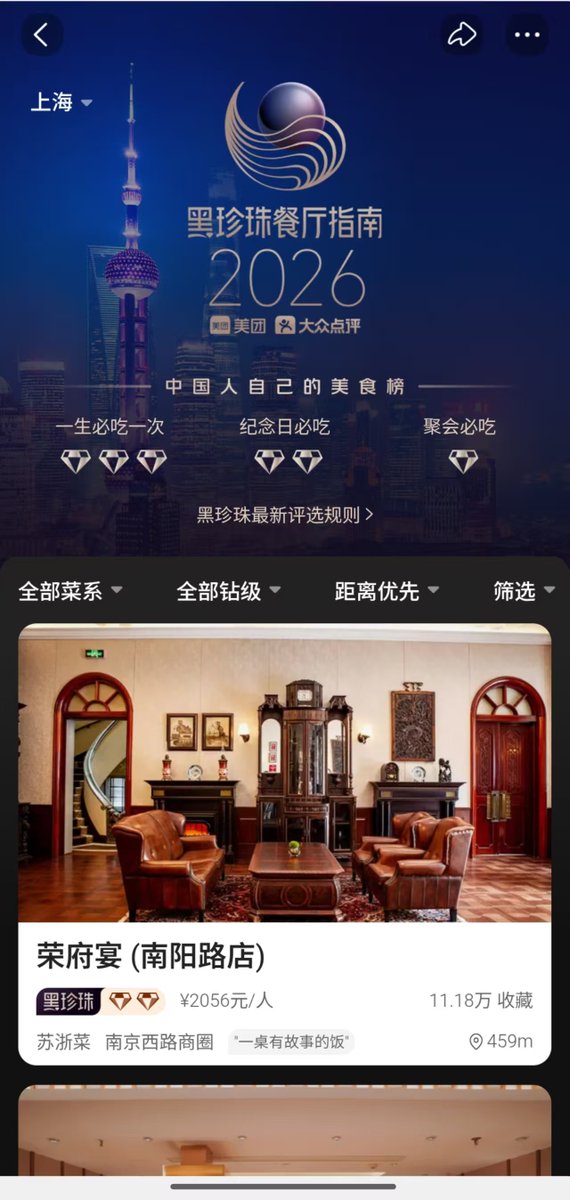
Good indicators: - Getting on the Dianping "must eat" list (必吃榜). This matters more than any of their other indexes like the the "hot restaurant list" or the "sales volume list", which are more robotically driven by popularity. Last year, Dianping said they spent six months reviewing data and eliminating any places gaming their reviews before issuing the 必吃榜 for each city. I don't think I've ever had a bad meal at one. There are just 160 places on Dianping's 2026 必吃榜 for Shanghai, out of an estimated 100k restaurants in the city. They are worth seeking out. - Dianping "Black Pearls". This is their version of Michelin stars and they take it very seriously. I've only been to 1-pearl restaurants, but they've been really good. I don't know if I'd like 2-pearl or 3-pearl restaurants. They tend to be very expensive haute cuisine which isn't really for me. In 2026, there are 52 restaurants with one pearl, 6 restaurants with two, and just three restaurants with 3. - Restaurants that don't offer ANY coupons or discounts. Of course there are many great restaurants offering coupons and discounts, but it takes a very confident restaurant to offer ZERO coupons on Dianping. They are *usually* confident for a good reason. Images: "Must-Eat List" directory page on the left, Black Pearls directory page on the right.
3
34
2,341
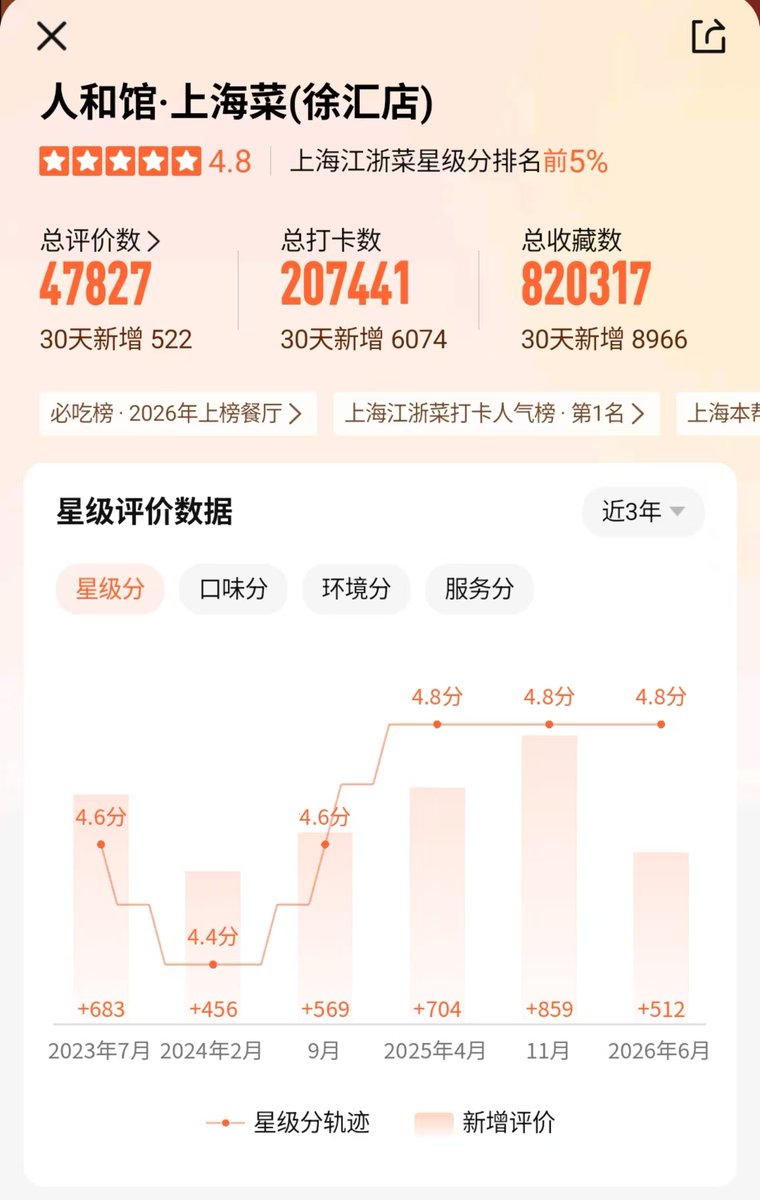
6. Other various things to be aware of: - Number of reviews matters a lot. A place with 150 reviews rated 4.7 is promising. A place with 2,000 reviews rated 4.5 is proven. A place with 16,000 reviews rated 4.4 is a city institution. Some famous old restaurants get dragged down by scale but don't let that scare you off. It's wildly difficult to maintain a rating like that over tens of thousands of reviews. - Be aware of places that do two separate categories of things, but all the ratings are all for one thing, so the review score doesn't represent the other thing. The classic example is coffee bakery or coffee dessert shops, where the score is high because the cake is good, but the coffee is mediocre. You can click on the reviews to see what people are actually reviewing. - Watch out for restaurants with a high rating because they do a few items well and almost everyone who goes there orders these things, but if you order anything else from the less-loved part of the menu, you'll be disappointed in your meal. You can assess this by scrolling down down to the "recommended dishes" section and seeing how concentrated the recommendations are for the top few items. - Look out for places where the "Environment" score is more than 0.2 pts higher than the "Taste" score. This often suggests the place is oriented around looking and feeling fancy, not providing tasty food. If I see a 4.2 for Taste and a 4.6 for Environment, this is a huge red flag. - On the other hand, don't be afraid of the opposite...a Taste of 4.4 and an Environment of 3.9 means you're about to have a great meal. But maybe don't go there for your anniversary dinner. - Look out for places where the three sub-categories always have exactly the same value (e.g. 4.7, 4.7, 4.7) and they have stayed like that for many months. This is a potential indicator of gamed reviews. - Look out for places that just opened and seem to have a very high percentage of high-level reviewers reviewing the restaurant all at once (e.g. L6 or higher). This could mean they are using some PR service to get a lot of reviews from highly-ranked users. Image: Michelin-starred Shanghai classic Ren He Guan, with 47k reviews (!), which used to have variable ratings but starting in April 2025, has mysteriously held a rating of exactly 4.8 across all indicators every month since then. 🧐
1
26
1,587
6. F&B segment-specific rating issues: - A good coffee shop rarely gets a high score. That's not to say that it can't, but it's really hard to assess a good coffee shop by score alone really, since Chinese consumers have wildly differently sophistication levels for coffee. Some evaluate it on taste compared to Starbucks, other evaluate it on cost compared to Luckin...etc. For me, I don't look at the review score at all when I look for a good coffee shop. IMO, the best craft coffee shops in China tend to be ones that proudly post high-res pictures showing off their latte art as their shop picture. 😂 - Cocktail and whiskey bar ratings tend to be a little higher than restaurants in terms of rating trends. I'd say 4.5-4.8 is fine. - Chinese Dianping users and reviewers generally do not like Western-style bars restaurant places and rarely rate them well. It may be exactly what you're looking for to watch sports and eat bar food, and it'll have a 4.8 on TripAdvisor, but don't expect a good score on Dianping. Images: Three different coffee places I like, with very different ratings.
1
22
1,751
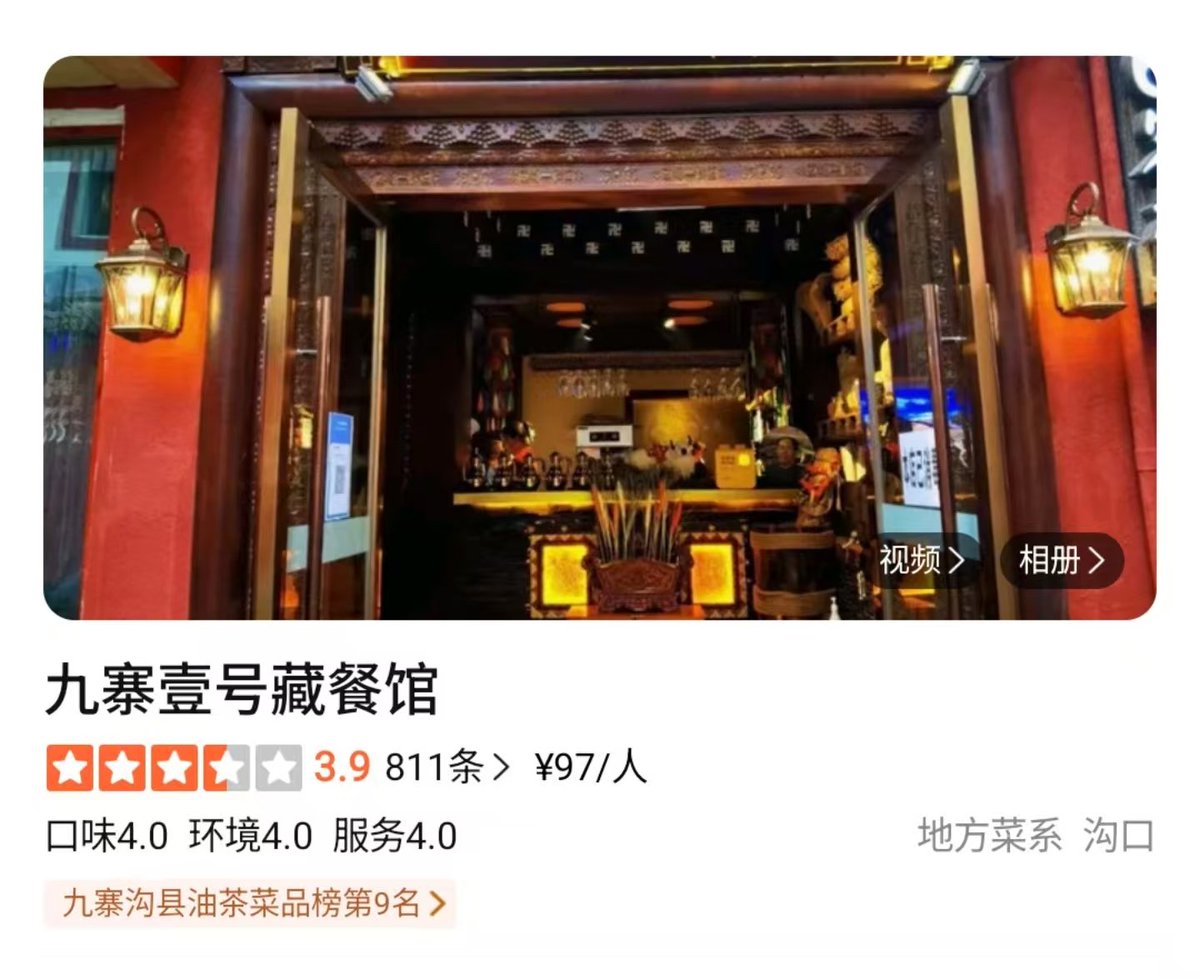
5. Those are the basics. But understanding the custom heuristics for how these high-level guidelines apply is the key to becoming a master Dianping user. There are a whole set of things to incorporate that are related to geography: For instance: - Foreign food tax: Cuisines outside of their home region and not well appreciated by locals will pay a rating tax. This applies to both Chinese cuisine and non-Chinese cuisine. A place that Shanghainese would consider to be excellent Shanghai cuisine might be only rated a 4.1 in Chengdu, where locals consider it to be too sweet. Or a place that all the expats know to be the best Greek food in Shanghai only has a 4.1 because the locals like it and the foreign patrons don't use Dianping. This phenomenon can drive a gap of at least 0.5 pts between deserved and observed rating. - Tourist rating dominance tax: Conversely restaurants serving local food to locals exactly the way they like it, but that are frequently patronized by outsiders that don't appreciate it, will also pay a rating tax. This is especially relevant in tourist destinations, where the most authentic local food may be one that tourists find too salty, too spicy, too sweet, too earthy, too something, but they're unfortunately also the ones leaving reviews. This can also drive a 0.5 pts swing. - Local standards tax: Restaurants serving local food to locals that have strong expectations for their own food can ALSO pay a rating tax. In some cities, the local audience is extraordinarily demanding, and can differentiate standards of quality for their own cuisine that a non-local can't even conceive of. A dim sum place rated 4.3 in Guangzhou maybe in contention for one the best dim sum restaurants in Beijing but struggle in its home market. So if you see that 4.3 dim sum place in Guangzhou, don't be afraid. - Exoticism inflation: Finally, watch out for review inflation for exotic restaurants in more provincial localities. A highly-rated Cantonese BBQ place in a big city means something. But a highly-rated Cantonese BBQ place in a 5th tier city where it's the only one in town is probably seeing some exoticism inflation. Proceed accordingly. - The "we really don't use that here" tax: A lot of smaller towns in China just don't use Dianping OR Meituan, and their best restaurants only have two stale reviews over the last 10 years. In these cases, ignore the apps, and just ask locals where to go, and what to order. - Wanghong distortion: Any restaurant that gets super trendy online ends up with very unreliable rankings. It might be great...it might be mediocre, but you won't be able to tell from its ratings. Volume and trendiness and novelty distorts rating fidelity severely. Left pic: I think Yaya's is good Italian fusion food that is ranked poorly on Dianping. Right pic: This Tibetan restaurant in Jiuzhaigou was the best meal we had there, recommended by locals, but rated poorly compared to the tourist places.
1
2
27
1,977
5. For established, proper sit-down Chinese restaurants, the safest sweet spot is an overall rating of 4.4-4.7. if you close your eyes and randomly choose a Dianping-rated spot in this range, it should be a reliable spot for a good meal. At rating 4.2-4.3, you can have an okay meal, or a bad meal, but it's a toss-up. For an established sit-down Chinese restaurant serving mainstream local cuisine to a mainstream local audience, a 4.1 rating or lower is a warning sign (although some exceptions apply - I'll explain below). Frankly, you don't see much of this though, because the Chinese F&B segment is incredibly competitive, and so they don't stick around very long. The exceptions are places targeting tourists. Now, in the other direction, anything rated 4.9 or 5.0 often means it's gaming its reviews in some way. I mean, yes, there are Michelin-level things legitimately getting ratings this high, but there's also a decent risk of some kind of rating manipulation going on at those levels. That's not to say it can't still be a good restaurant, but you won't be able to tell from the score. 4.8 is right on the border, a toss-up between a truly awesome restaurant and a place gaming its reviews. I'll usually go for it though, because if it's really earned a 4.8, it's going to be awesome. For smaller, street-side restaurants like noodles, dumplings, stuff over rice, the rating scale is different. It's hard for them to get high ratings because their Environment score will typically always be low. People also don't typically review these places very often. So I'm happy to get wontons, noodles, Shaxian snacks, etc. from a place with a rating as low as 3.9-4.0. They rarely see anything higher than 4.2 anyways. This is totally different from a proper sit-down restaurant being rated as low as a 4.2. Images: These are all good restaurants IMO, despite their varied rating differences. Yunnan, Hunan, Cantonese, and Kazakh food.
1
31
1,971
4. In the app, you can press on the overall star rating to see historical ratings. In my experience, a lot of people don't know about or use this function. It lets you see how long a newly-opened restaurant has been open and if there's been any changes in their review trends (useful for established restaurants). A restaurant doesn't typically suddenly go from an average of 4.3 to 4.6 in one month unless they did something drastic like get a new chef, change their menu, or start gaming reviews. Sudden drops are uncommon too. Chinese restaurants don't change their menus often, and their offerings are more standardized, so employee turnover doesn't typically lead to meaningful change in product quality the way it would in a more chef-driven Western restaurant. This means any sudden rating changes will look odd. Last 10 months of ratings for Kapya Turkish restaurant (opened last year). This restaurant is very good.
1
25
2,126
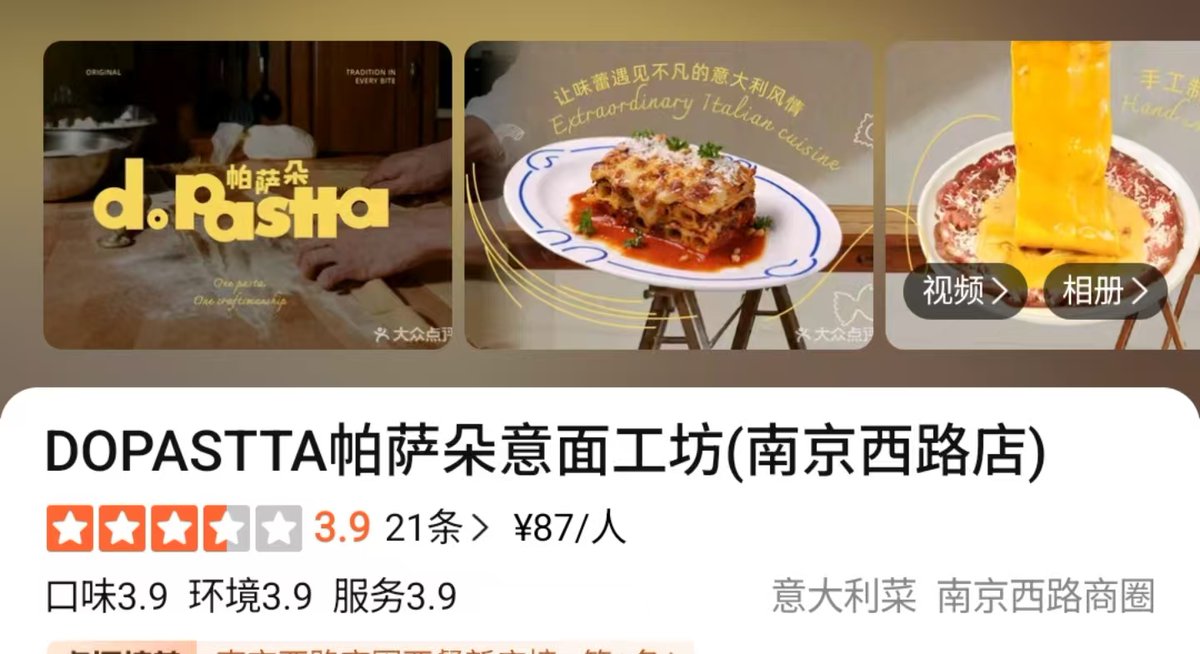
3. New restaurants typically start with a neutral default score of 3.9 for all categories. This is *not* an official stated methodology, but I've pretty much always seen this to be true. So if the new restaurant in your neighborhood is rated 3.9, don't be afraid to try it; it's just whatever new reviews it has since opening aren't reflected yet. I believe new reviews are mathematically reflected into the overall averages in timed batches, though the review itself appears immediately. See how this new Dopastta location has 21 reviews but is still rated 3.9 across every category:
1
23
2,248
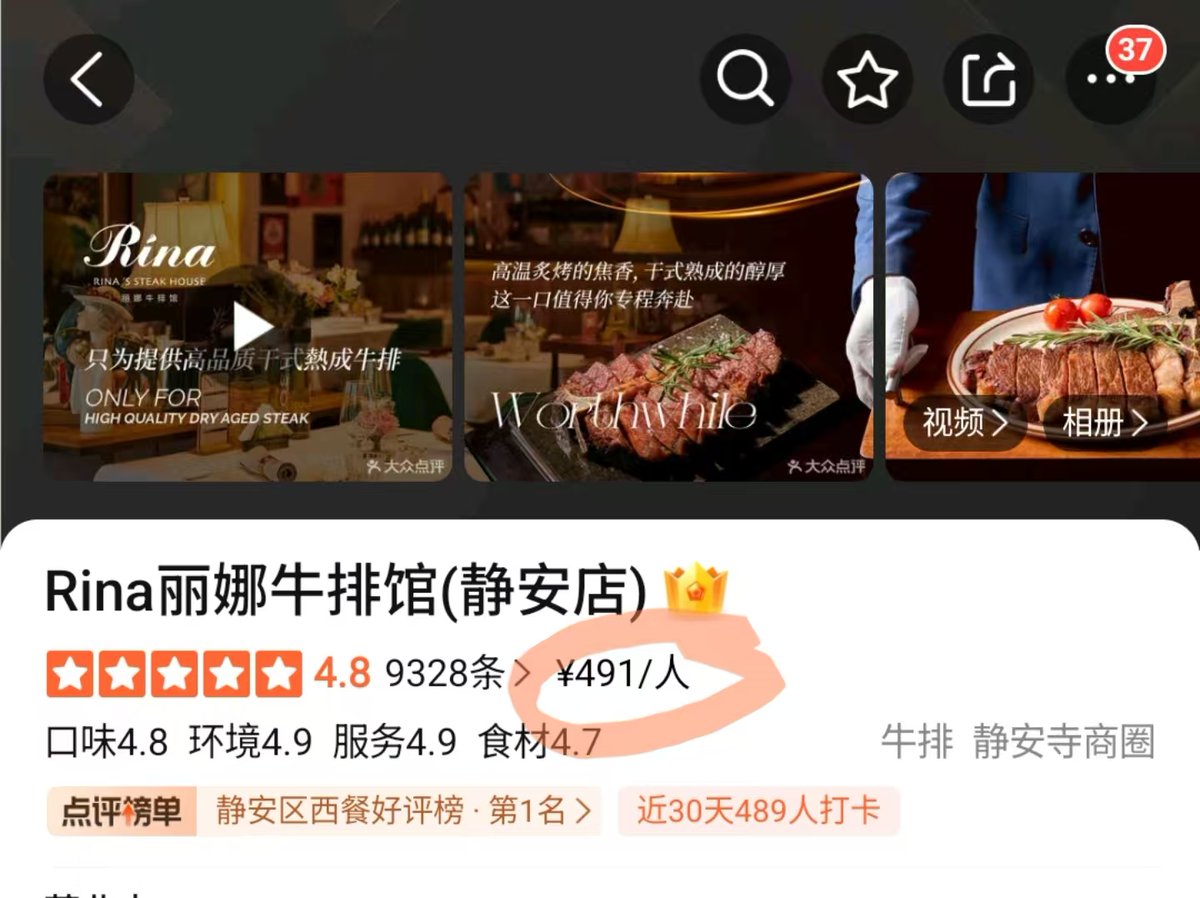
2. Next to this score is the average spend per person. This number can be pretty unreliable though, so it's best to look at individual dish prices by scrolling down in the app and clicking on the recommended dishes section. like this feature, and have gotten so used to it that I can't believe other apps get away with using generic buckets like "$$" or "$$$$" to indicate cost level. You can often go to restaurants that look really expensive by avg prices on Dianping and have a lovely, inexpensive meal, by simply *not* ordering the 3-4px bone-in dry-aged tomahawk steak that happens to be their specialty that most people order and drags the average check up. For example, Rina's steakhouse.
1
21
2,526
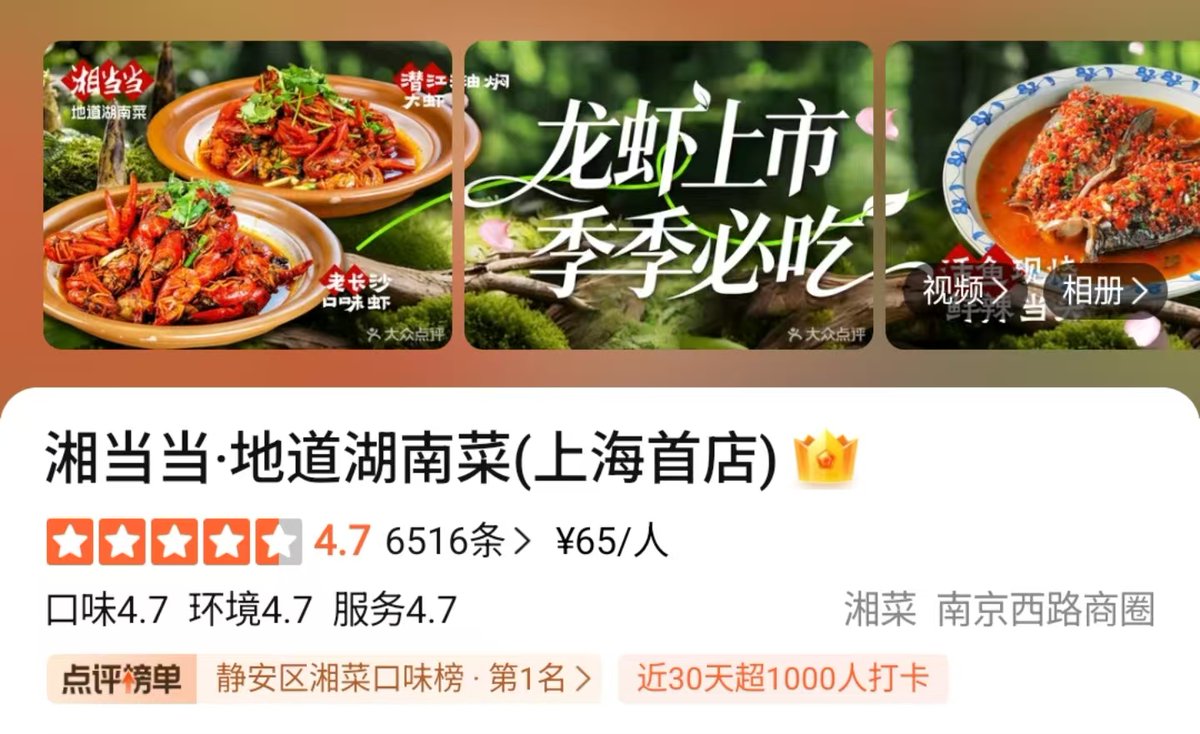
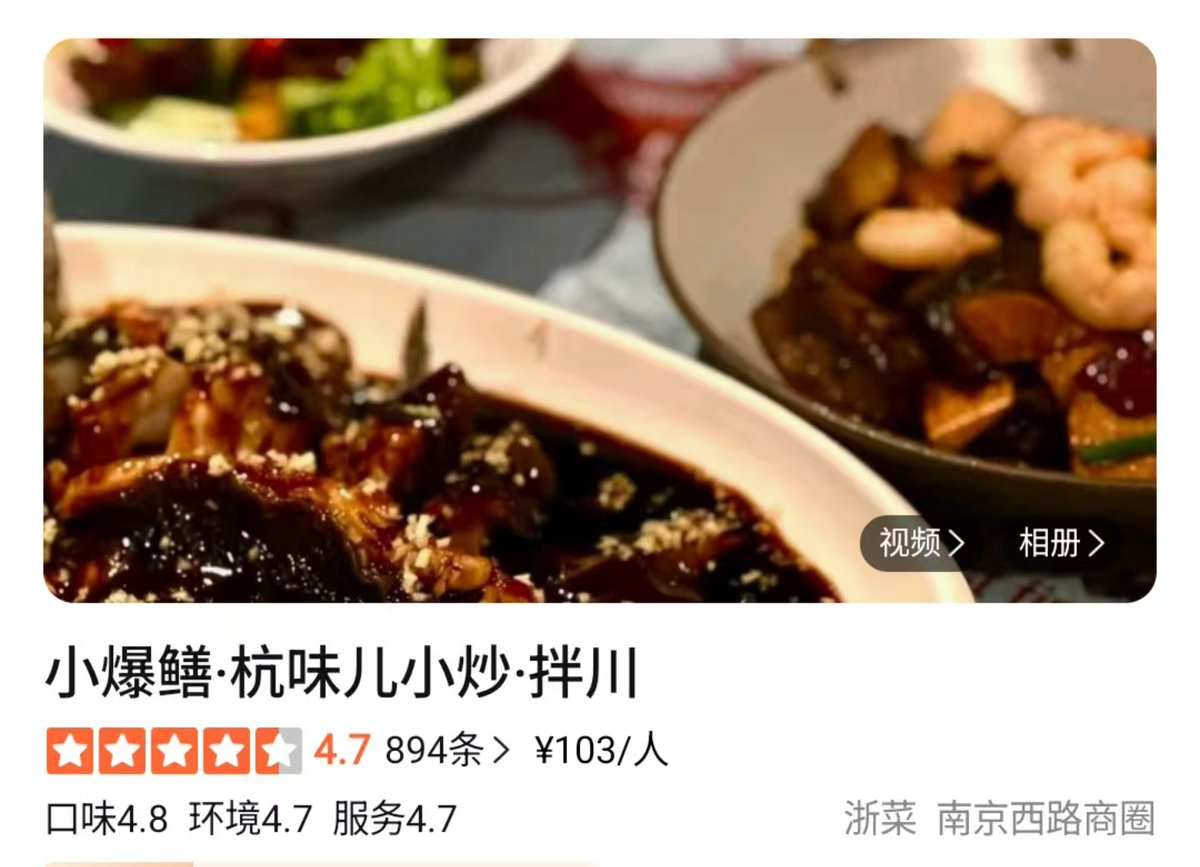
Part 3: Dianping Usage Guide: 1. There are usually four components to a review score in Dianping: Taste, Environment, Service, and Overall. The Overall score is calculated automatically as a function of the scores the reviewer gave to the sub-categories and is visible in search listings. These are all graded on a 5-point scale with one decimal place. Some restaurants have an additional review category called "Ingredients". I've noticed this is common at places where the customers come into direct contact with the raw ingredients, for example at hot pot places. Images: My favorite Chaoshan beef hotpot place on the left, and a nice neighborhood-style Hangzhou eatery on the right
1
23
2,820
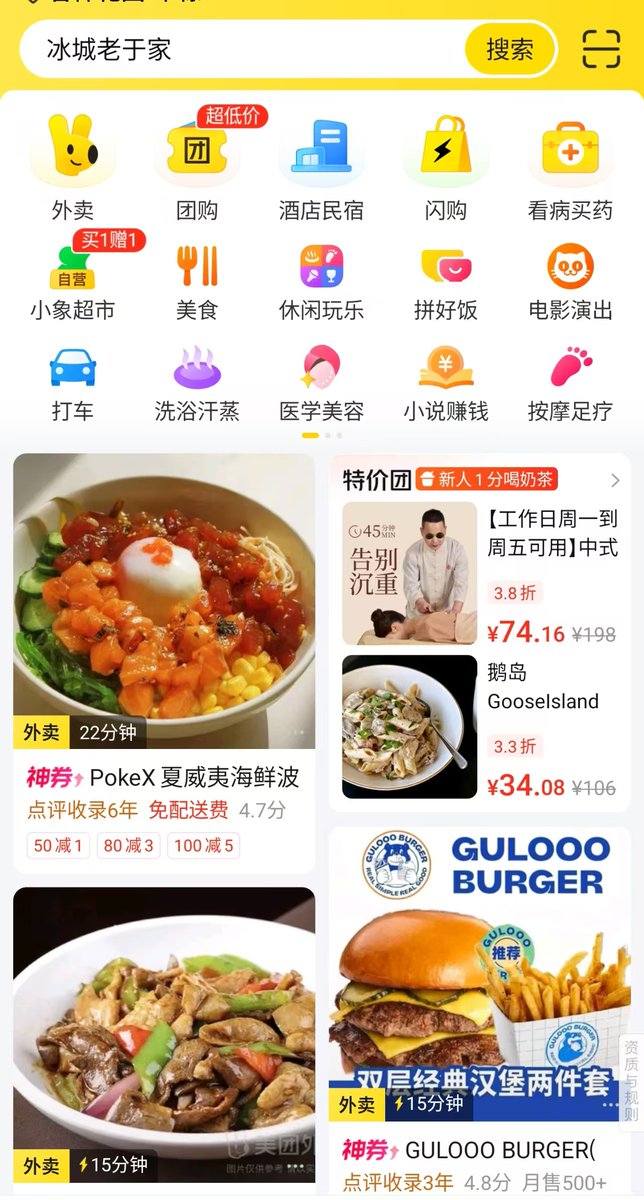
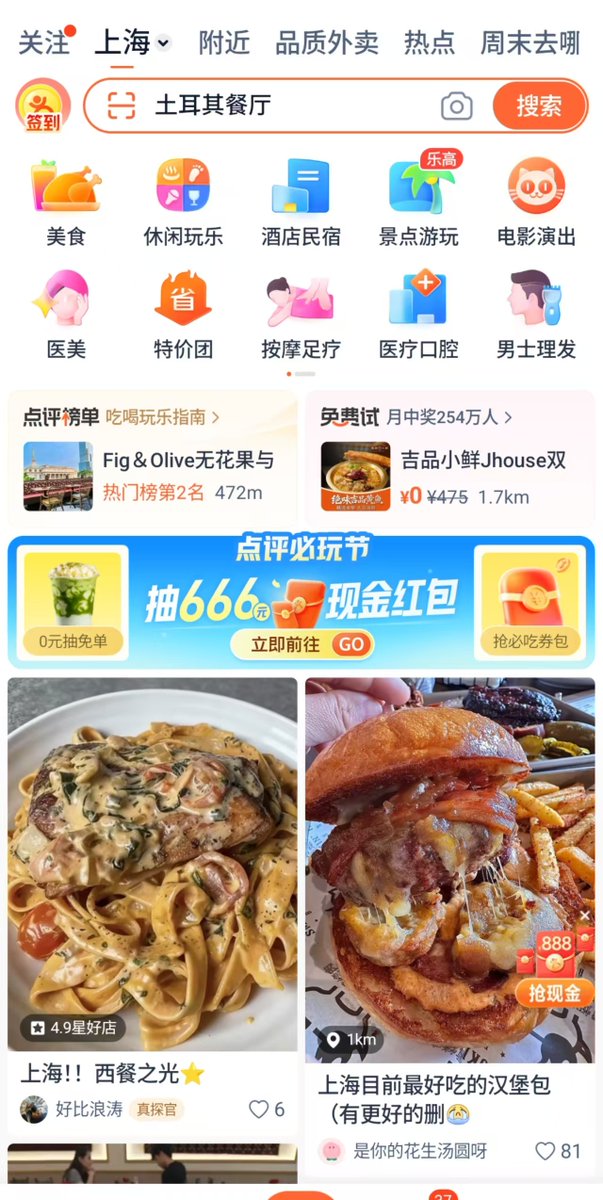
Part 2: Comments About Restaurant Review Platforms in China A lot of people believe you can pay your way to a high ranking in these apps, or that bad ratings are the result of refusing to pay extortion money to the app. I think this is often exaggerated. Bad ratings are most often the sign of a mediocre restaurant, while good ratings most often indicate a good restaurant. My impression is that this has gotten more reliable since ~ 2018/19 especially. Historically, Dianping has been ok with restaurants encouraging customers to leave reviews, asking customers to save and "check-in" at the location, etc. At the same time, they disallow buying reviews (e.g. in exchange for discounts), using review farms, having employees pose as customers, etc. The platforms used to be a weak at enforcing this, but recently they've gotten more sophisticated and stricter. I don't doubt it's still common, but I think Dianping is getting really good at sniffing it out and penalizing violators. It makes sense...they are highly incentivized to make sure their platform is a reliable indicator for quality. I've even seen individual restaurant listings deactivated with a note that says they were caught gaming reviews. The accusations of platform extortion are trickier, and also harder to prove or disprove. Some restaurant owners will tell you that they feel they HAVE to buy marketing services from Dianping or Meituan just to maintain a normal algorithmic appearance in the directory listings, and that they will be buried if they don't. But it hasn't been conclusively demonstrated anywhere. In 2021, Meituan was fined by Chinese regulators for pressuring restaurants into exclusivity agreements for its takeout delivery business (not the directory and review app) so that adds to the suspicion that they would do such a thing here too. But in this age of heightened regulator scrutiny over Chinese IT platforms, I actually doubt it. Anyway, that's enough background info... Meituan vs. Dianping landing pages:
2
26
3,665
Part 1: Background Facts Dazhong Dianping started out in 2003 as an app focused on local restaurant reviews, predating Yelp by roughly a year. The founder said he was inspired by Zagat ratings. From 2003-2009, its business was merchant listings and peer reviews. Then, in 2010, competitor Meituan entered the scene, originally as a straight Groupon clone, then adding a merchant directory. From 2010-2014, Dianping added coupons and flash deals, while Meituan added merchant listings and reviews. They competed directly with each other by offering huge discounts and subsidies to consumers, via basically identical app products. In 2015, they merged in a 15B USD deal, somehow avoiding antitrust oversight that I'm sure would make that merger very difficult today. But 2015 was the era in which Kuaidi & Didi and Qunar & Ctrip were allowed to merge, despite each merger creating near-monopolies for their respective segments. A different time... Together they became Meituan-Dianping (later, just "Meituan"), operating two parallel but basically identical apps. Of course, Meituan today has become China's #3 consumer internet platform company, after Tencent and Alibaba, operating Meituan delivery, Xiaoxiang supermarkets, rideshare bikes, portable phone banks rentals, lifestyle booking platform aggregation, etc. To date, both Dianping and Meituan's respsective app platforms have survived the merger, with a huge suite of offerings besides just listings and reviews. My experience has been that Dianping has more merchant listings and reviews in bigger cities, while Meituan has much more robust coverage of smaller cities and towns. But they are quite similar. You can use it to find restaurants, bars, hospitals, hair salons, massages, KTVs...anything. Today I'll just talk about F&B. Dianping is one of my daily use apps - in fact it occupies one of the 5 spaces on my hotbar, together with email, wechat, chrome, and the camera.
3
41
3,958
A practical guide about how to choose a good restaurant using Dazhong Dianping (大众点评), which is China's main restaurant directory/review/coupon platform, based on my 10 years of experience using it almost daily... But first, some general background information: Thread.🧵
20
38
427
40,204
Follow-up commentary: x.com/pretentiouswhat/status…
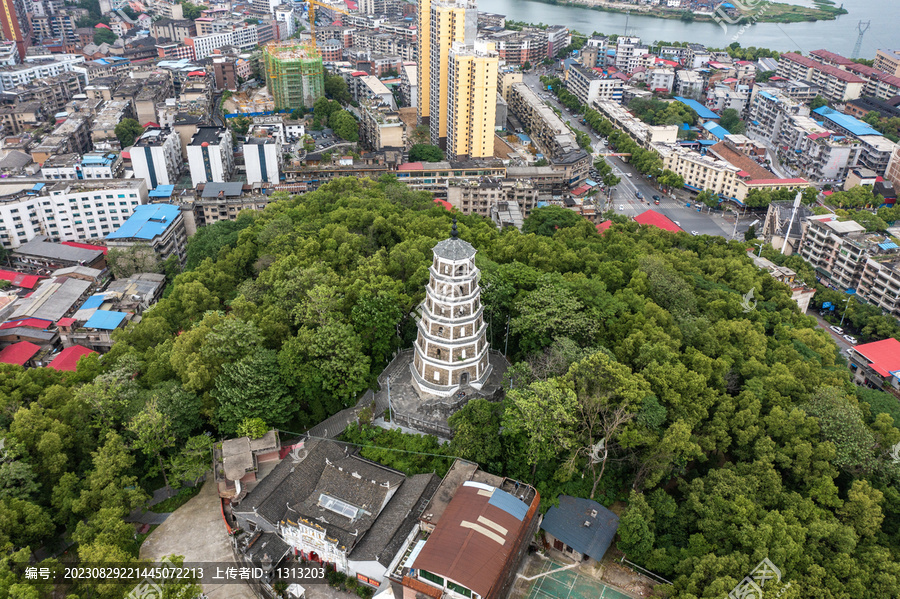
Stress-testing the CICI rankings with Deepseek: 🤓 The strongest point of disagreement I've heard for my thread so far is that one city doesn't belong there: #14 Handan, thanks to its general name recognition, association with the ancient state of Zhao, and idiom meme 邯郸学步. It still underproduces aura relative to its size, but it HAS name recognition, so should it be gated out, with some other large city deserving to be in the top 15 even more. So, I fed the list into Deepseek, with my methodology prompt and instructions to weight for population and then subtract for any sources of recognition, fame, or aura. I also explicitly asked it to look for dark horse candidate cities that may have been missed in the original list that should be elevated. Finally, I asked it (as neutrally as possible) to evaluate whether Handan belongs on the list considering name recognition (I know you can get chatbots to agree to almost anything if you prompt them the right way, but I really tried to be neutral here). The results: Deepseek agreed with 13/15 of the cities, although it rearranged them (fortunately, Zhoukou still at #1). It indeed chose to boot Handan from the list, reasoning: "every Chinese adult who went to middle school should know Handan, capital of Zhao, even if it's not famous today", and brought Shaoyang (Hunan) up all the way to #11. It also brought up Yancheng (Jiangsu) to the #15 slot instead of Dazhou, but noted that others were all very close. I have mostly lived in the YRD area, so Yancheng (pop. 7.8m) doesn't feel unfamiliar to me, but I could see that being correct on a nat'l reputational basis. Finally, Deepseek also noted that there is a case for Zhumadian to be bounced from the list completely due to disqualification by meme recognizability, but it only applies to people that were active on Tieba/Zhihu in the early/mid 2010s. 😂 The Deepseek CICI Ranking top 15: 1. Zhoukou (same) 2. Nanyang (prev. 5) 3. Linyi (prev. 7) 4. Fuyang (prev. 2) 5. Heze (prev. 4) 6. Shangqiu (prev. 8) 7. Bijie (prev. 3) 8. Ganzhou (prev. 6) 9. Xinyang (unchanged) 10. Xingtai (prev. 11) 11. Shaoyang (prev. unranked) 12. Zhumadian (prev. 13) 13. Maoming (prev. 10) 14. Suzhou, Anhui (prev. 12) 15. Yancheng (prev. unranked) Runners-up: Neijiang, Loudi, Cangzhou, Dazhou Image: Shaoyang, Hunan, population 8.0m
7
3,215
Stress-testing the CICI rankings with Deepseek: 🤓 The strongest point of disagreement I've heard for my thread so far is that one city doesn't belong there: #14 Handan, thanks to its general name recognition, association with the ancient state of Zhao, and idiom meme 邯郸学步. It still underproduces aura relative to its size, but it HAS name recognition, so should it be gated out, with some other large city deserving to be in the top 15 even more. So, I fed the list into Deepseek, with my methodology prompt and instructions to weight for population and then subtract for any sources of recognition, fame, or aura. I also explicitly asked it to look for dark horse candidate cities that may have been missed in the original list that should be elevated. Finally, I asked it (as neutrally as possible) to evaluate whether Handan belongs on the list considering name recognition (I know you can get chatbots to agree to almost anything if you prompt them the right way, but I really tried to be neutral here). The results: Deepseek agreed with 13/15 of the cities, although it rearranged them (fortunately, Zhoukou still at #1). It indeed chose to boot Handan from the list, reasoning: "every Chinese adult who went to middle school should know Handan, capital of Zhao, even if it's not famous today", and brought Shaoyang (Hunan) up all the way to #11. It also brought up Yancheng (Jiangsu) to the #15 slot instead of Dazhou, but noted that others were all very close. I have mostly lived in the YRD area, so Yancheng (pop. 7.8m) doesn't feel unfamiliar to me, but I could see that being correct on a nat'l reputational basis. Finally, Deepseek also noted that there is a case for Zhumadian to be bounced from the list completely due to disqualification by meme recognizability, but it only applies to people that were active on Tieba/Zhihu in the early/mid 2010s. 😂 The Deepseek CICI Ranking top 15: 1. Zhoukou (same) 2. Nanyang (prev. 5) 3. Linyi (prev. 7) 4. Fuyang (prev. 2) 5. Heze (prev. 4) 6. Shangqiu (prev. 8) 7. Bijie (prev. 3) 8. Ganzhou (prev. 6) 9. Xinyang (unchanged) 10. Xingtai (prev. 11) 11. Shaoyang (prev. unranked) 12. Zhumadian (prev. 13) 13. Maoming (prev. 10) 14. Suzhou, Anhui (prev. 12) 15. Yancheng (prev. unranked) Runners-up: Neijiang, Loudi, Cangzhou, Dazhou Image: Shaoyang, Hunan, population 8.0m
I am pleased to introduce the Chinese Invisible Cities Index (CICI) - some Friday fun. 😏 These aren't the smallest or poorest cities. These are the cities with the least aura vs. their population. They make you say: "wait, I've never heard of it and it has HOW many people?"🧵
13
4
78
12,914