Pinned Post

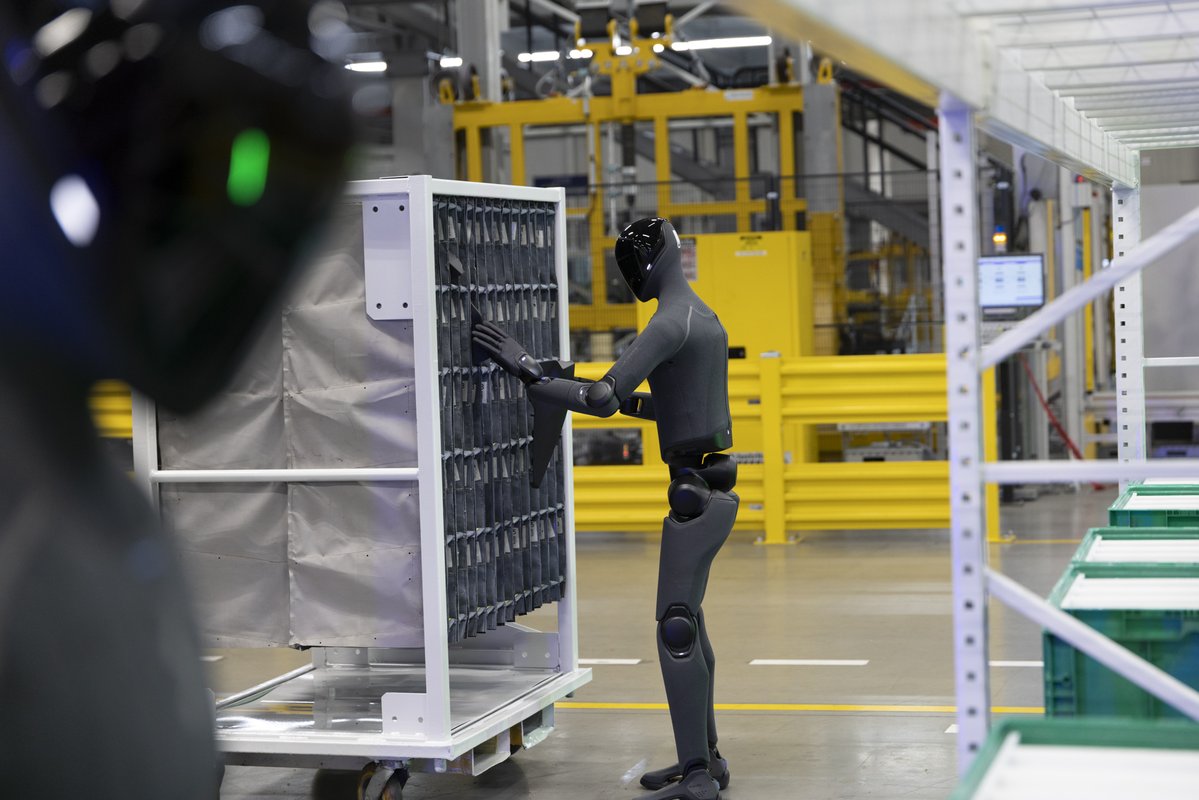
🚨Breaking: NVIDIA and Sharpa have just unveiled the NVIDIA Isaac GR00T Reference Humanoid Robot at GTC Taipei—a standardized, open hardware and software reference design for physical AI research.
The platform unifies hardware, sensing, and compute into a single out-of-the-box development stack to eliminate fragmented workflows and speed up sim-to-real deployment.
The hardware specs:
• Body: Unitree H2 Plus full-sized chassis (31 DOF)
• Hands: Dual Sharpa Wave dexterous hands (22 DOF per hand) featuring a visuo-tactile array with >1,000 pixels per fingertip and 0.02N sensitivity for complex, contact-rich manipulation.
• Brain: NVIDIA Jetson AGX Thor T5000 onboard compute delivering 2,070 FP4 TFLOPS of Blackwell-architecture AI performance.
The reference platform comes preloaded with the NVIDIA GR00T 1.7 humanoid model and works natively with Isaac Lab simulation and teleoperation libraries.
Timing is everything: This massive partnership drops on the exact day of Unitree’s STAR Market IPO listing hearing in Shanghai, and amidst a proposed U.S. federal procurement ban on Chinese-made unmanned ground vehicles.
Shipping is slated to begin in October 2026 to research labs worldwide.
x.com/NVIDIARobotics/status/…
8
23
119
60,060