Yes. The money side of Digital Weed is not one company selling one app. It is a whole mood economy.
The clean business idea:
Digital Weed = branded relaxation “strains” sold as immersive mood packs.
No THC required. No smoke. No edible. It sells the ritual, atmosphere, music, visuals, smell, food pairing, and social vibe.
The reason this is powerful: cannabis is already a large legal market, VR/AR is growing, wellness apps are growing, and fragrance/scent branding is already its own business. Legal cannabis was estimated around $69.78B globally in 2024, with projections above $216B by 2033; AR/VR revenue is projected around $50.9B worldwide in 2026; wellness apps are projected to grow from about $12.87B in 2025 to $45.65B by 2034; and scent marketing is already a multibillion-dollar category.
1. Cannabis companies: “digital strain packs”
Cannabis brands could sell non-drug versions of their famous strains.
Example:
Blue Dream Digital
Ocean visuals, soft blue lighting, chill female vocals, smooth synth bass, berry scent, creative writing prompts.
Northern Lights Digital
Dim room, aurora visuals, slow ambient pads, couch-lock haptics, pine/earth scent, sleep timer.
Sour Diesel Digital
Urban neon visuals, faster beat, creative mode, brainstorming AI, citrus/fuel-inspired scent.
The cannabis company makes money from:
Digital strain packs
$2.99–$9.99 per pack.
Monthly club subscription
$9.99–$29.99/month for new strains, playlists, visuals, guided chill sessions.
Dispensary loyalty integration
Buy real product legally in-store, get a matching digital experience code.
Age-gated brand rooms
A virtual dispensary lounge, but focused on education, music, relaxation, and brand culture.
Artist collaborations
“Snoop-style strain room,” “Wiz Khalifa digital smoke lounge,” “Bob Marley wellness garden,” etc.
The big advantage: cannabis companies are often boxed in by regulation and advertising limits. A digital experience gives them a safer brand-extension lane, but they still have to be careful with age-gating, state rules, and not making illegal medical claims. The FDA has repeatedly acted against companies marketing cannabis-derived products with unlawful claims, including CBD and delta-8 products.
2. Music companies: “high music” becomes a product
Music is one of the strongest parts of weed culture. Digital Weed could turn songs into mood technology.
A normal song becomes:
A 20-minute relaxation journey
A 45-minute smoke-session mix
A VR music video room
A haptic bass experience
A sleep comedown version
A visualizer pack for Quest/Apple/phone/TV
Music companies make money from:
Premium playlists
“Indica Bass,” “Sativa Focus,” “Munchies Comedy,” “Late Night Trance.”
Artist-branded digital strains
An artist releases not just an album, but a “vibe pack.”
Virtual listening parties
Fans enter a digital lounge together.
Licensing
Cannabis brands license tracks for their digital strains.
AI remix packs
The system adjusts tempo, bass, lighting, and visuals depending on the user’s mood.
This is where APHRIOSA music could fit too. You do not need to build the whole system. You could make Digital Weed music packs right now: cover art, Suno song, visual loop, mood name, and description.
3. VR/AR companies: they sell the “chill hardware”
VR companies win because Digital Weed gives people a reason to use headsets beyond games.
The product could work in layers:
Phone version
Cheap entry: music, visuals, AI guide, breathing, timer.
TV version
Living room visualizer with lights and music.
VR version
Full room: clouds, forests, neon lounges, digital smoke, floating planets.
AR glasses version
Your real room becomes softer, warmer, more dreamlike.
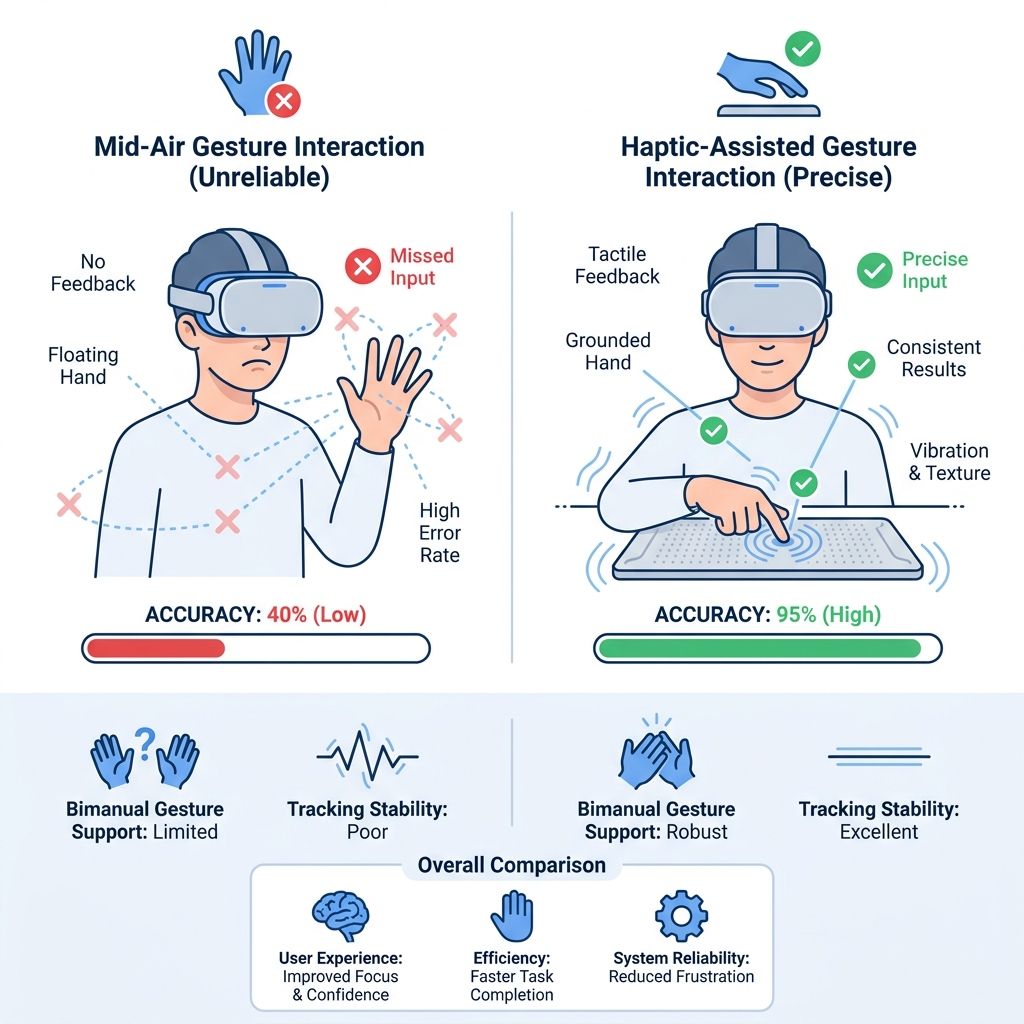
Haptic version
Bass vest, wrist bands, chair vibration, blanket warmth.
VR/AR companies make money from:
Headset sales
People buy hardware for relaxation, not just gaming.
App-store fees
They take a cut from Digital Weed subscriptions and packs.
Exclusive experiences
“Only on Quest,” “Only on Apple Vision,” “Only on PlayStation VR.”
Hardware bundles
Headset scent device LED lights headphones.
The VR gaming market is projected by some industry forecasts to grow strongly over the next decade, and headset forecasts also show major growth potential, though exact numbers vary by source.
4. Perfume companies: scent cartridges become “terpene moods”
This is sneaky powerful.
Weed is not only THC. A huge part of the experience is smell: pine, citrus, gas, berry, earth, skunk, lavender, pepper, mint.
Perfume companies could sell:
Digital strain scent cartridges
Blue Dream = berry mist.
Northern Lights = pine/earth.
Granddaddy Purple = grape/vanilla.
Lemon Haze = citrus sparkle.
Room sprays
For people who do not want actual cannabis smell.
Wearable scent patches
A small patch releases a mild aroma during the session.
Scent speaker/diffuser pods
Like a printer cartridge, but for smell.
Luxury collabs
“Tom Ford Digital Kush” type of thing — not actual weed, but luxury mood scent.
Fragrance is already having a major culture moment, especially with younger consumers and TikTok-driven fragrance collecting. Reuters reported L’Oréal launching affordable NYX hair/body mists for Gen Z, with mass-market perfume sales rising faster than prestige in the U.S. last year.
5. Food brands: “munchies mode” is a gold mine
This one is obvious.
If Digital Weed creates the vibe of being relaxed, funny, hungry, and entertained, food brands jump in fast.
They could sell:
Munchies bundles
Doritos Taco Bell Coke Digital Weed session.
QR snack experiences
Scan a bag of chips and unlock a 10-minute visual/music room.
Delivery integrations
The session says: “Munchies Mode unlocked — order now?”
Flavor-enhanced AR
You eat normal food, but the screen/AR makes it feel like a fantasy snack world.
Comedy food rooms
A Taco Bell neon lounge. A Coca-Cola chill river. A Ben & Jerry’s ice cream galaxy.
Food brands would pay because this is not just advertising. It is advertising while the person is in the exact mood to buy snacks.
That is dangerous if abused, so the better version needs spending limits, age controls, and no manipulative gambling-style loops.
6. Wellness brands: the “safe high” lane
This is the cleanest mainstream version.
Do not call it weed. Call it:
Digital Calm
Dream Mode
Mood Lounge
Sensory Reset
Sleep Garden
Creative Flow
Wellness companies make money from:
Sleep sessions
Rain, breathwork, warm visuals, slow sound.
Stress reset sessions
Ten-minute decompression after work.
Creative sessions
Music writing prompts mood lighting.
Couples relaxation
Soft music, romantic visuals, scent, no explicit drug framing.
Corporate wellness
“Employee decompression rooms” without THC.
The wellness framing matters because cannabis can carry risks for some people, especially with heavy/frequent use or vulnerable mental-health profiles. The CDC says cannabis affects brain functions such as memory, learning, attention, decision-making, coordination, emotions, and reaction time, and also notes links to temporary psychosis and longer-term mental disorders in some users.
7. The APHRIOSA platform: the marketplace takes a cut
This is where the big money lives.
APHRIOSA would not need to own every strain, song, scent, or snack. It would be the Digital Strain Store.
Think App Store Spotify dispensary menu perfume counter VR world.
APHRIOSA takes money from:
Subscriptions
$9.99/month basic.
$29.99/month premium.
$99/month creator/pro studio.
Marketplace commission
Take 15%–30% from digital strain packs.
Brand licensing
Cannabis companies pay to launch official digital strains.
Scent cartridge sales
Take a cut from every refill.
Music licensing
Take a cut from every branded playlist/session.
Food affiliate sales
Take a cut when users order snacks or drinks.
Live events
Digital smoke lounges, DJ sets, comedy nights, meditation rooms.
Creator tools
Let creators build their own digital strains: music, visuals, scent profile, mood script.
A simple hypothetical: if 100,000 users pay $10/month, that is $1M/month before marketplace sales. If 1 million users pay $10/month, that is $10M/month. That is not a forecast — just showing why the subscription model becomes serious fast.
The best version of the idea
The strongest product is not called “Get High Without Weed.”
The strongest product is:
A legal mood entertainment system.
Cannabis brands get digital strain culture.
Music companies get immersive albums.
VR companies get daily headset use.
Perfume companies get scent cartridges.
Food brands get munchies commerce.
Wellness brands get relaxation sessions.
APHRIOSA gets the marketplace cut.
The phrase I’d use:
Digital Weed is not fake marijuana. It is a legal mood marketplace where cannabis brands, music artists, VR companies, fragrance houses, food brands, and wellness creators sell immersive “digital strains” made from sound, visuals, scent, haptics, lighting, AI guidance, and social experiences.
That is light — but honestly, that is powerful.