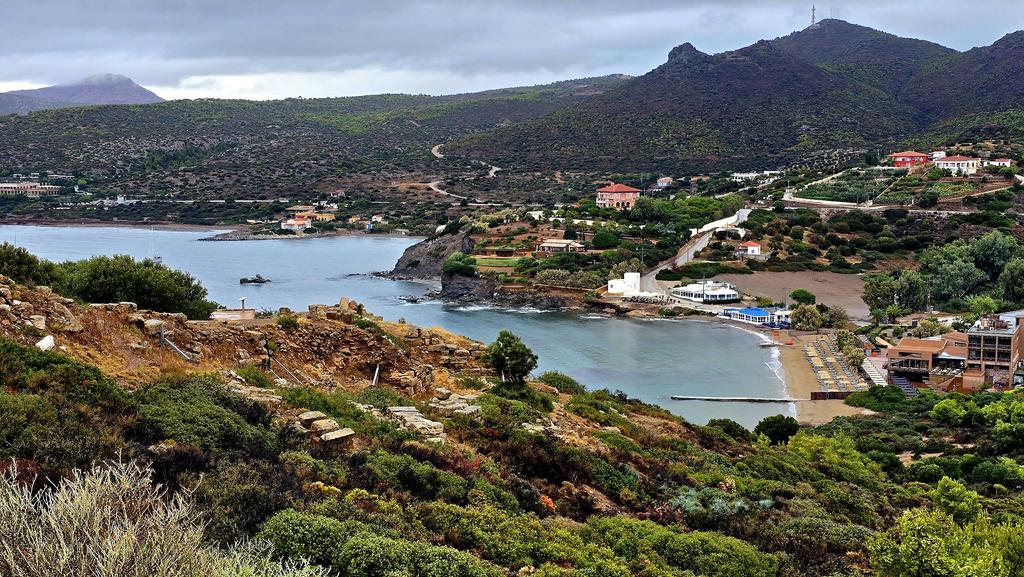
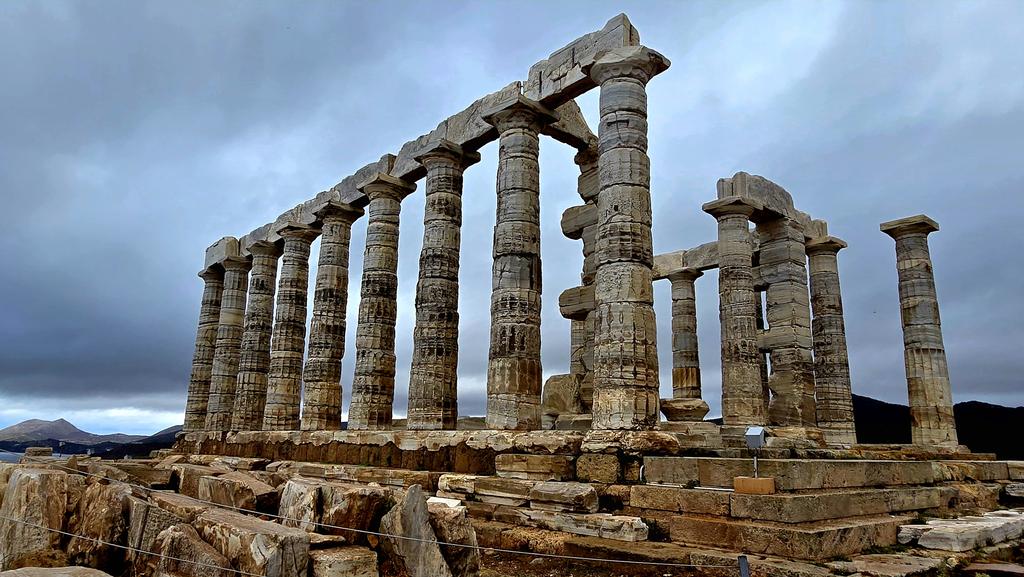
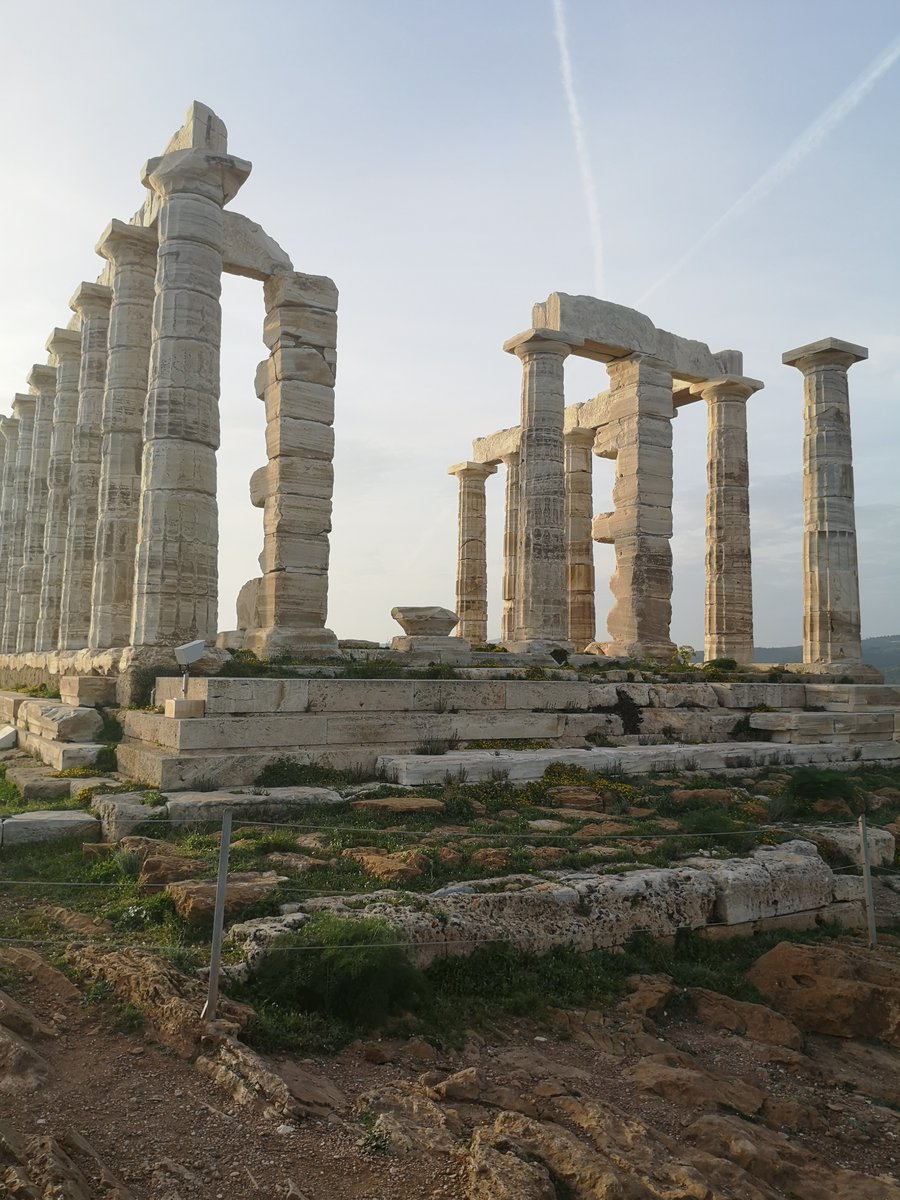
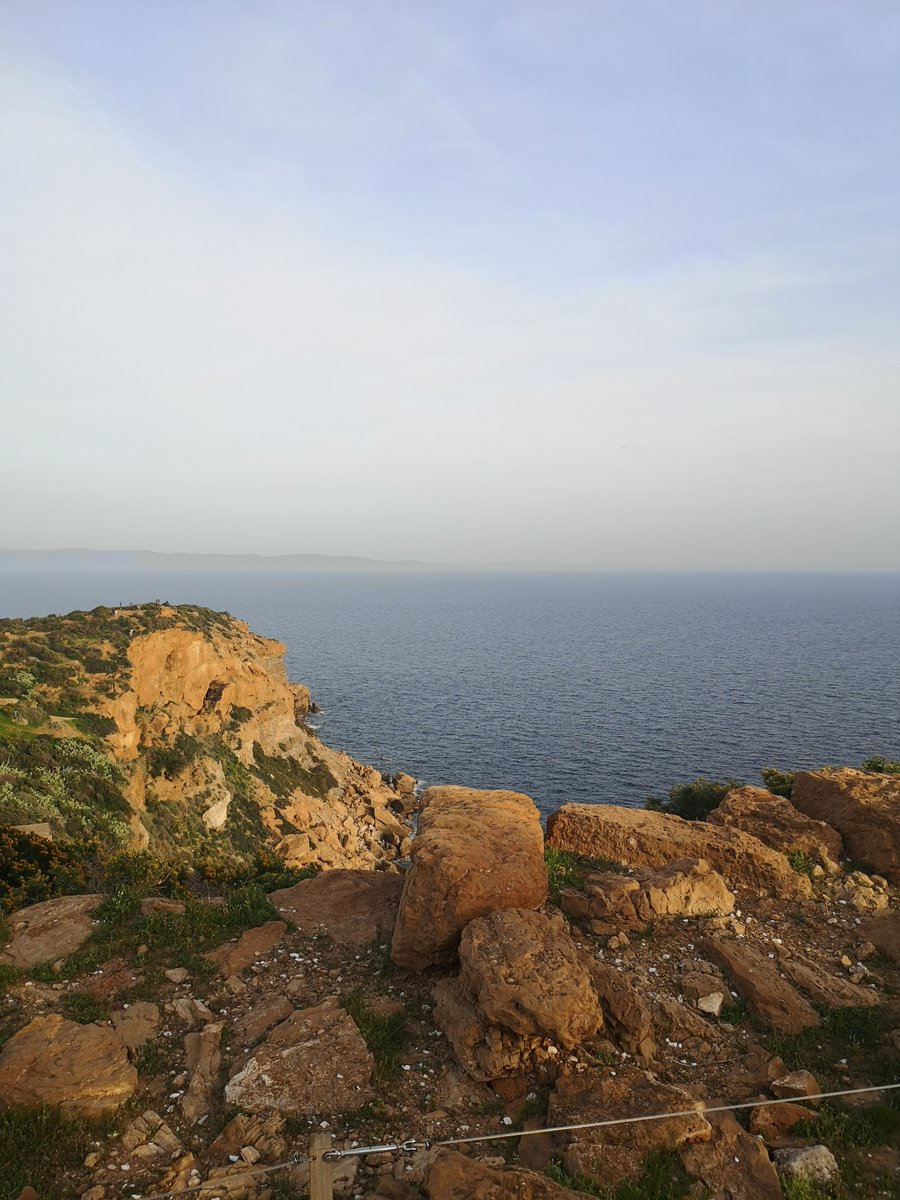
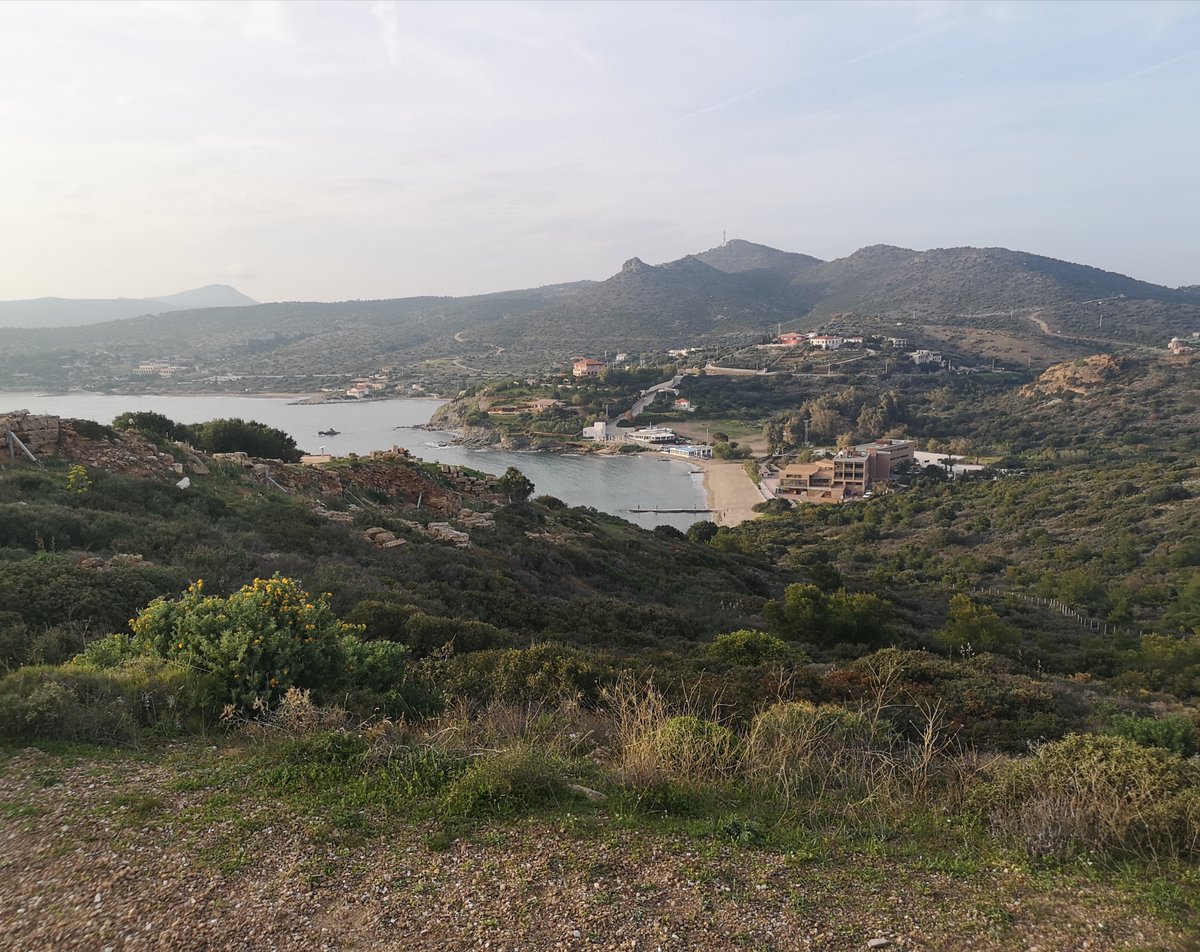
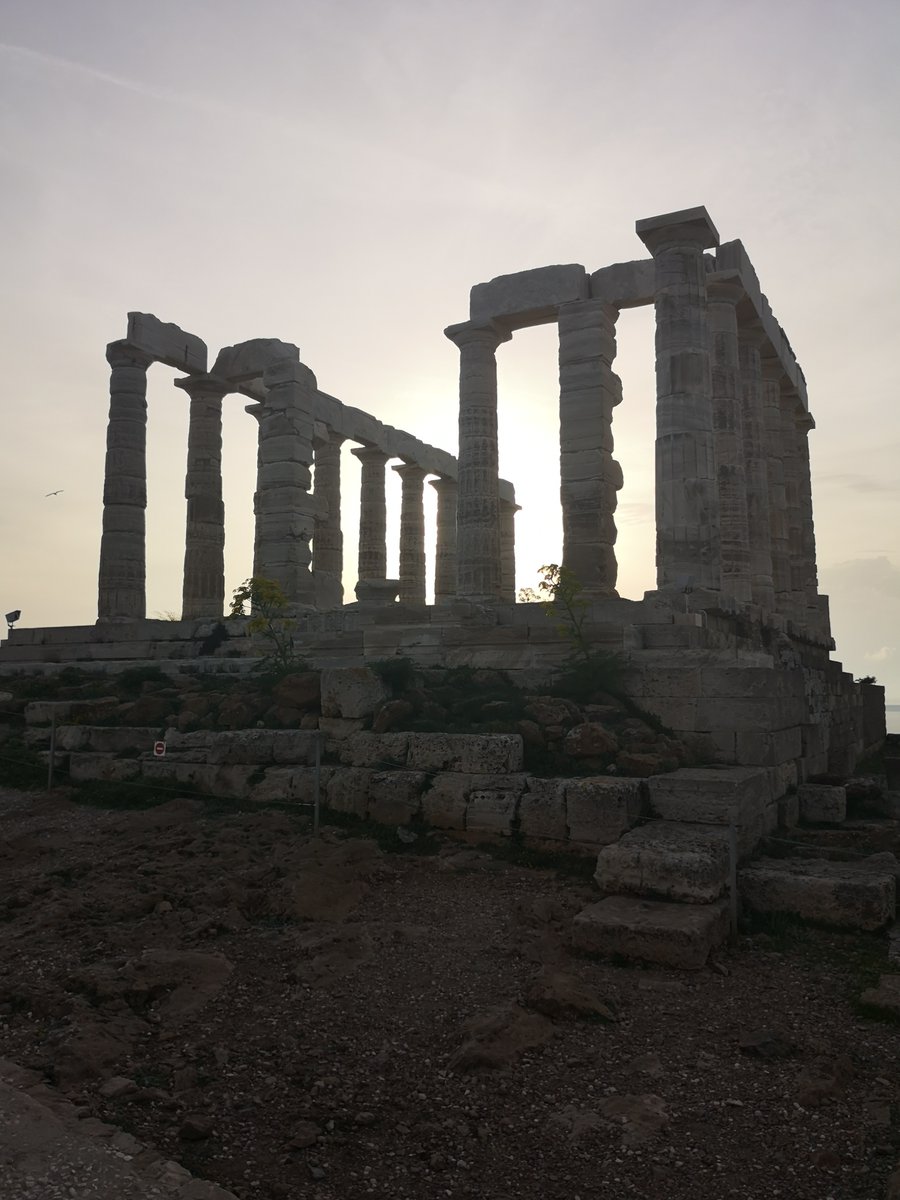
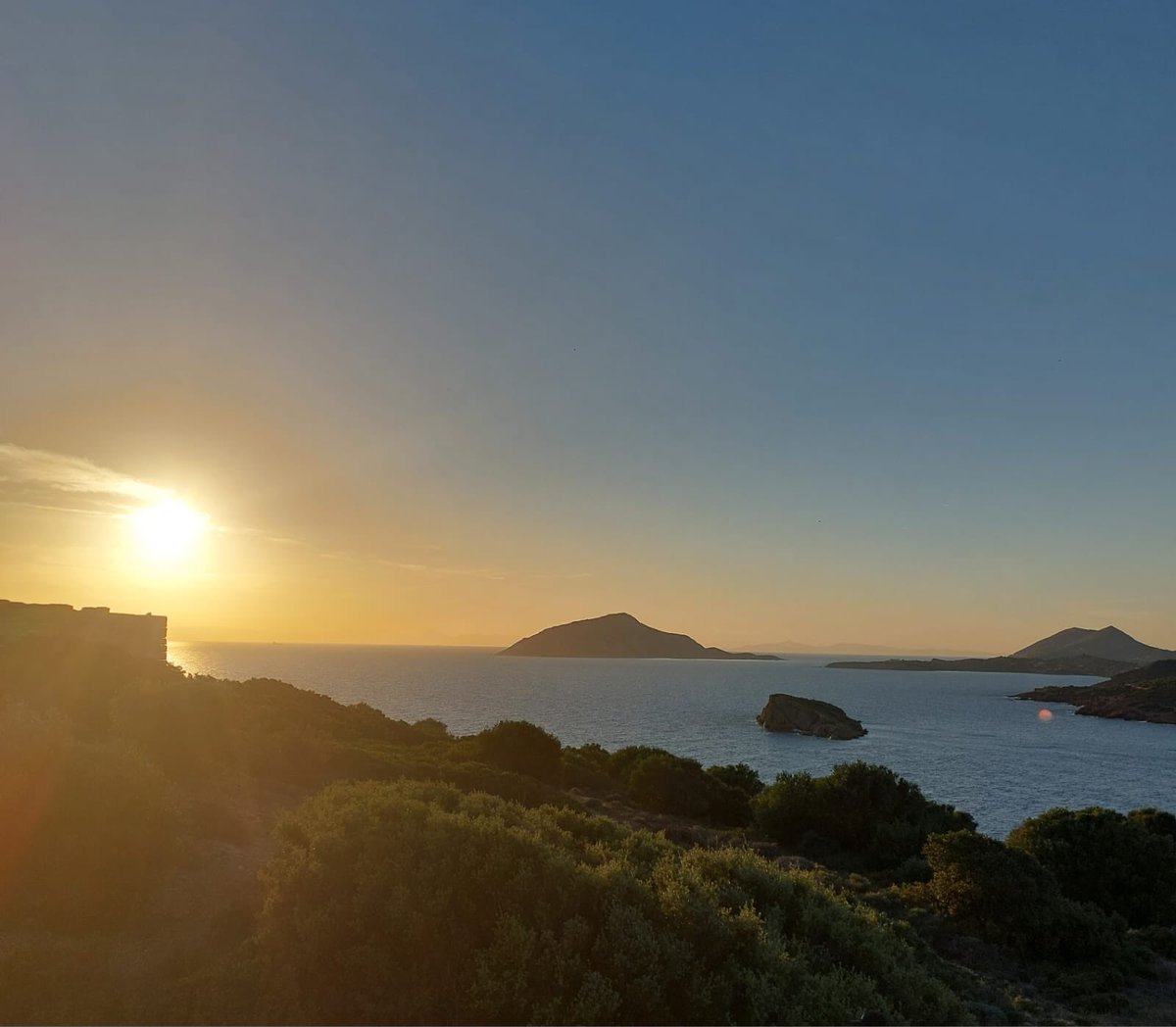
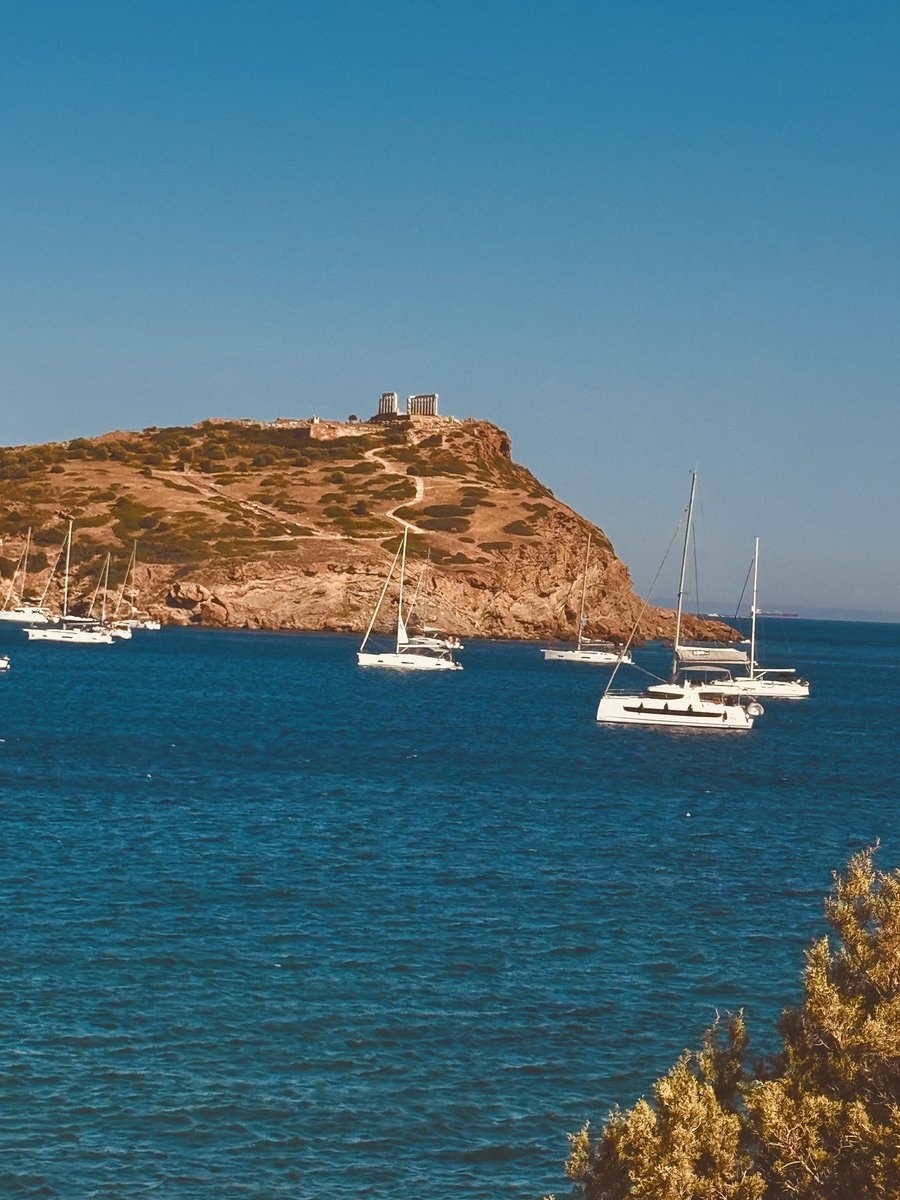
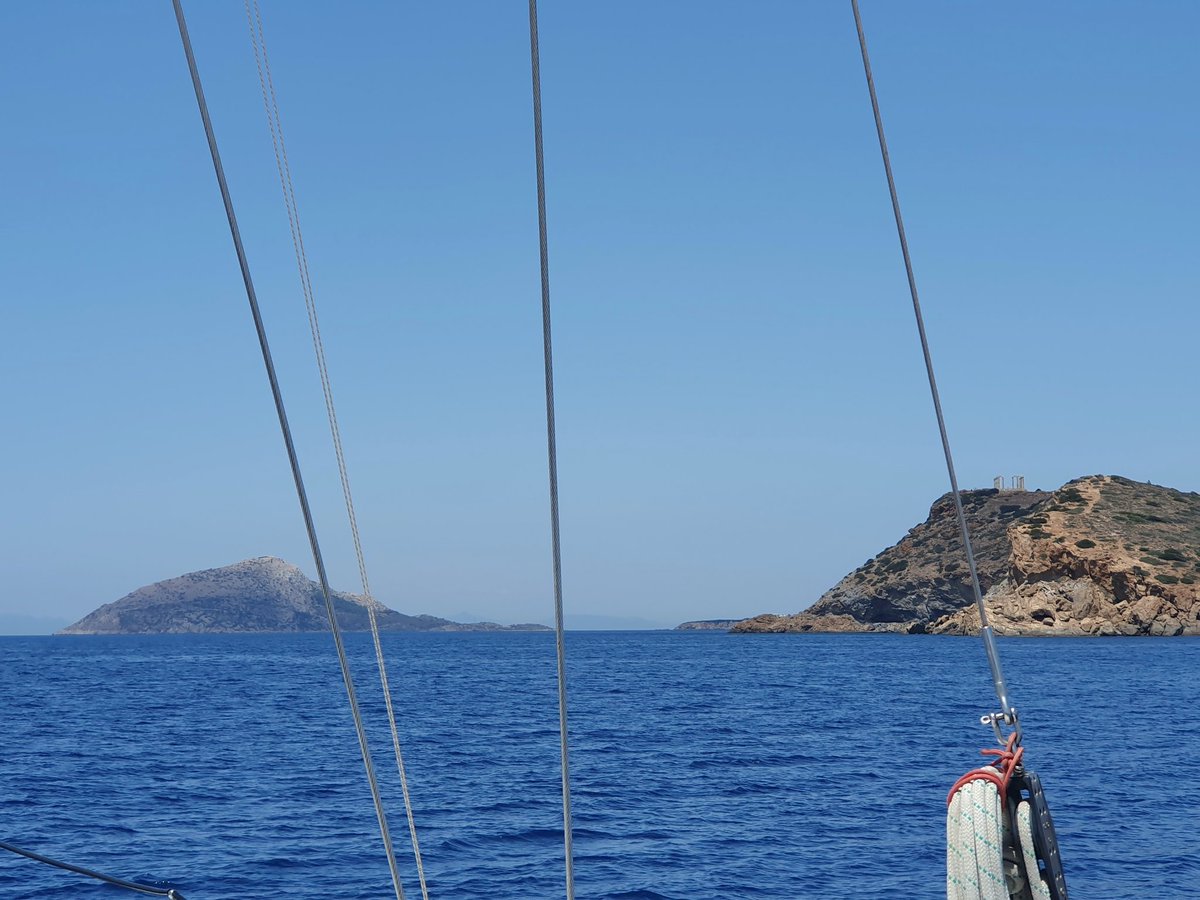
Temple of Poseidon is located on a seaside cliff in Cape Sounion, Greece.
Temple was built on top of an already existing structure, an earlier attempt to build a temple to Poseidon. Original temple was destroyed by invading Persian army, in 480 BC in second invasion of Greece by Persian Empire during Greco-Persian Wars. Xerxes I, King of Kings of First Persian Empire, ordered his men to destroy Acropolis of Athena. Acropolis included Temple of Athena and Temple of Poseidon. To celebrate completion of second temple, an inscription was placed inside proudly claiming temple as belonging to mighty god of the sea.
Temple was constructed in 444 BC, around same time as iconic Parthenon. It was an exciting time for architecture in ancient Greece, and Poseidon's temple was no exception, an imposing structure made of marble locally mined from Agrilesa. Temple boasted an open floor plan surrounded by 6 columns on the ends and thirteen along each side. Amazingly 13 of original 34 remain standing to this day. It is thought that Perikles, same man who designed famous Temple of Hephaestus in Athens, was also responsibly for Poseidon's temple. Both structures have many similarities and are contructed in classic Doric style. Temple even features a frieze, which depicts scenes of famous battles in mythology, though strangely none correspond directly to Poseidon.
According to Greek mythology, Poseidon is one of Twelve Olympians and is King of the sea; in addition to sea, Poseidon is also god of storms, earthquakes, and horses. In Homer's Iliad, Poseidon assisted Greeks in their fight against Troy during Trojan War. In Homer's Odyssey, King Menelaus of Sparta's helmsman died at his post as ship sailed past Cape Sounion; Menelaus landed at Sounion and buried body on the beach of Cape of Sounion. Homer, the author of Iliad and Odyssey, declared Cape Sounion, location of Temple of Poseidon, holy ground. Cape of Sounion is synonymous with the sea in Greek culture, making it the perfect place to build a temple to Poseidon.
🎥© d.tzankatian (IG)
#archaeohistories