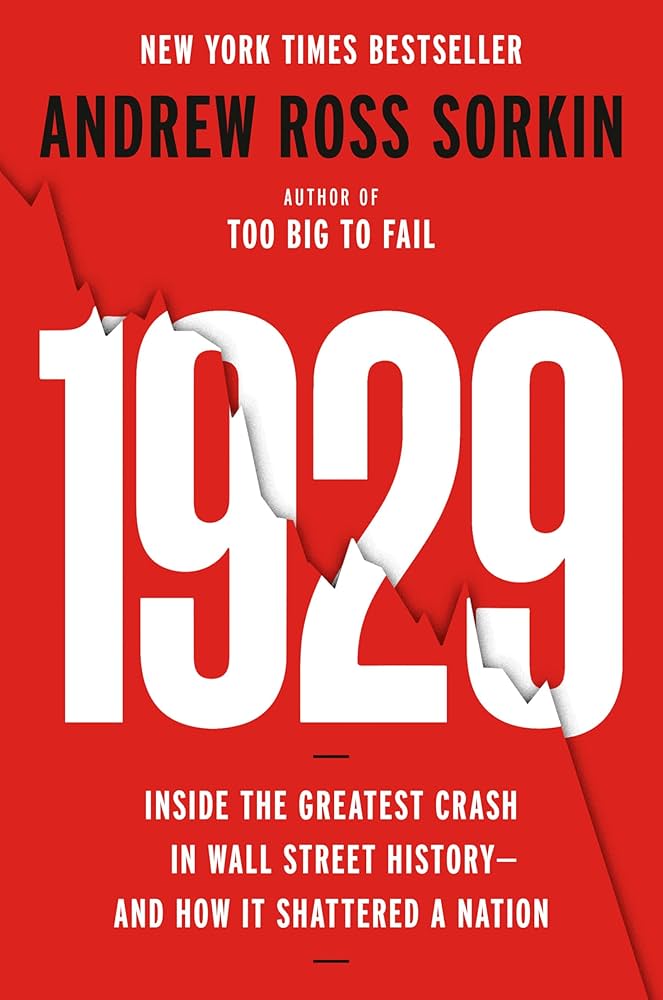
My review of the book :
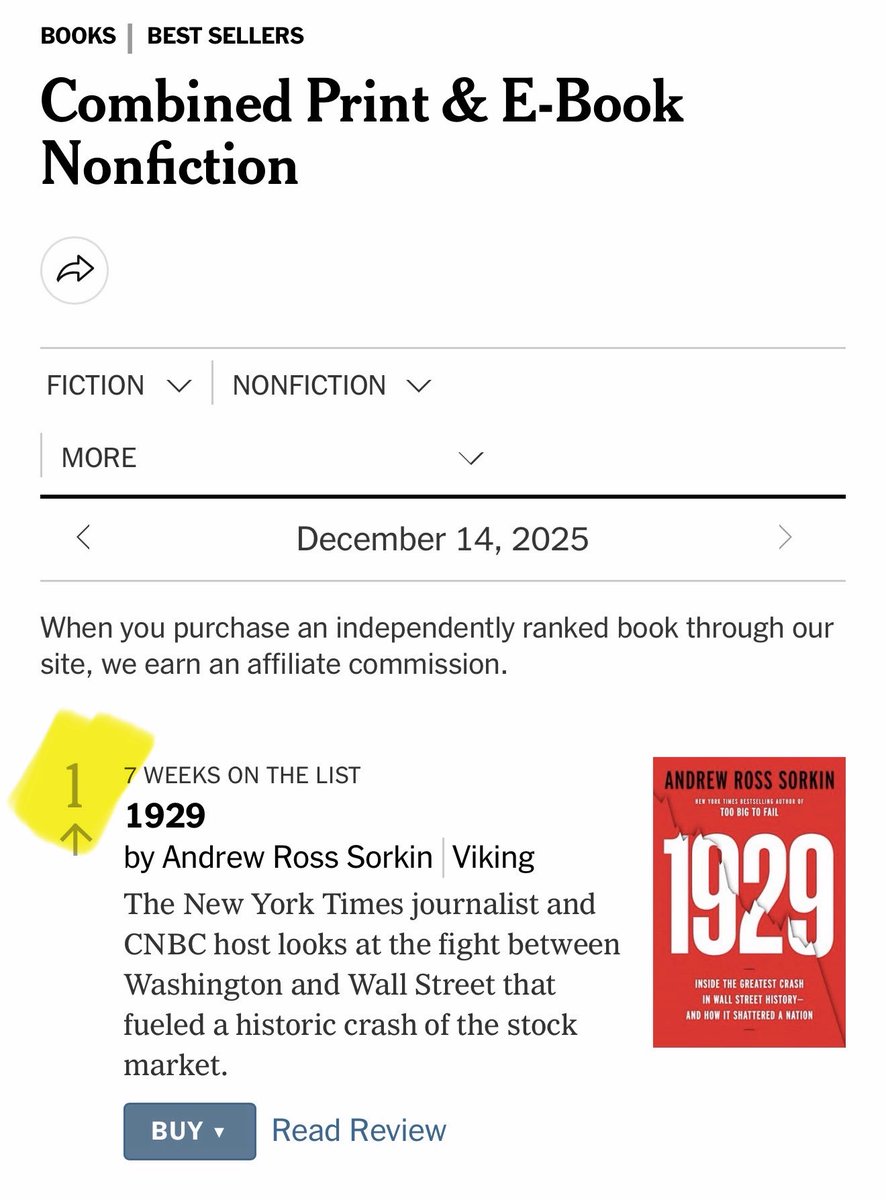
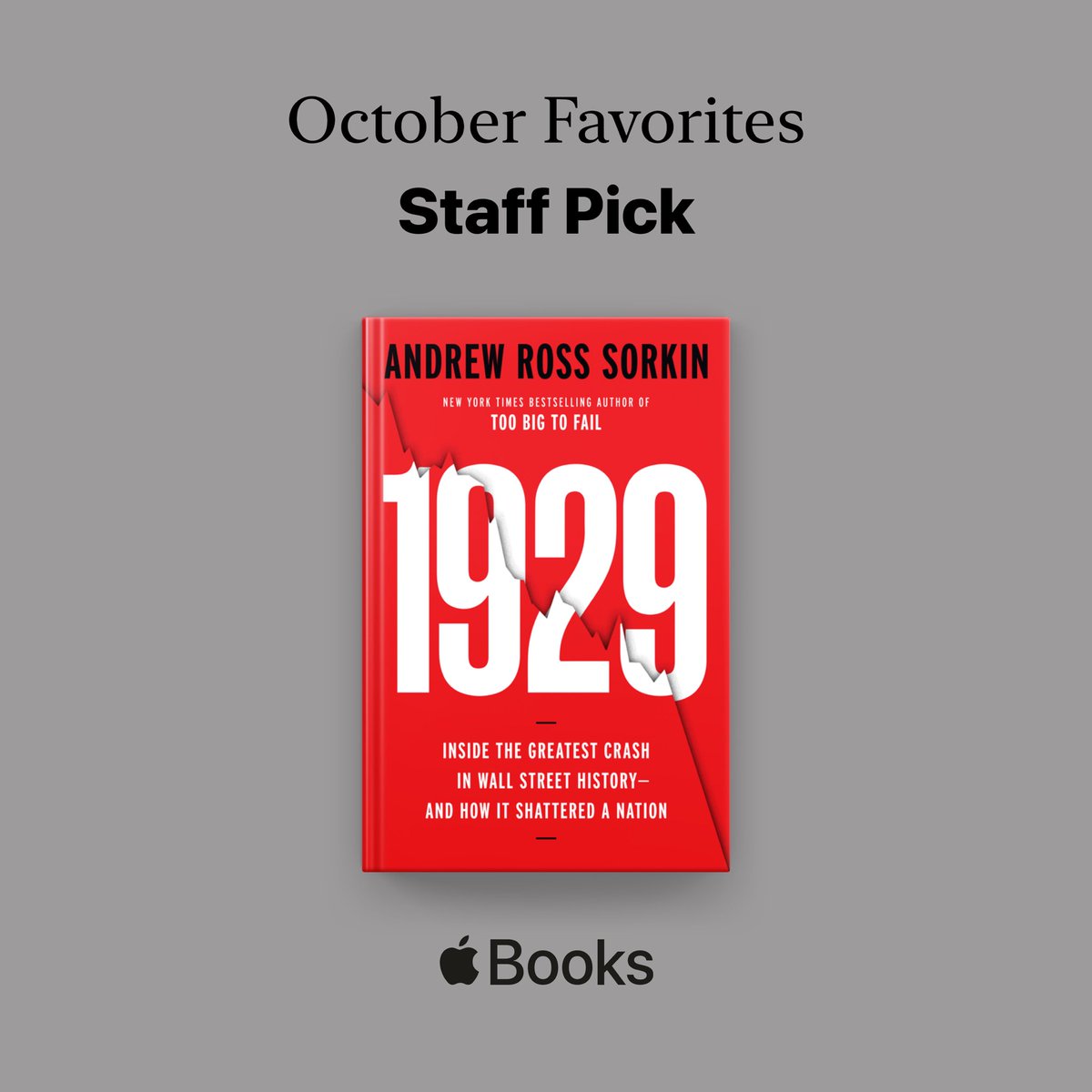
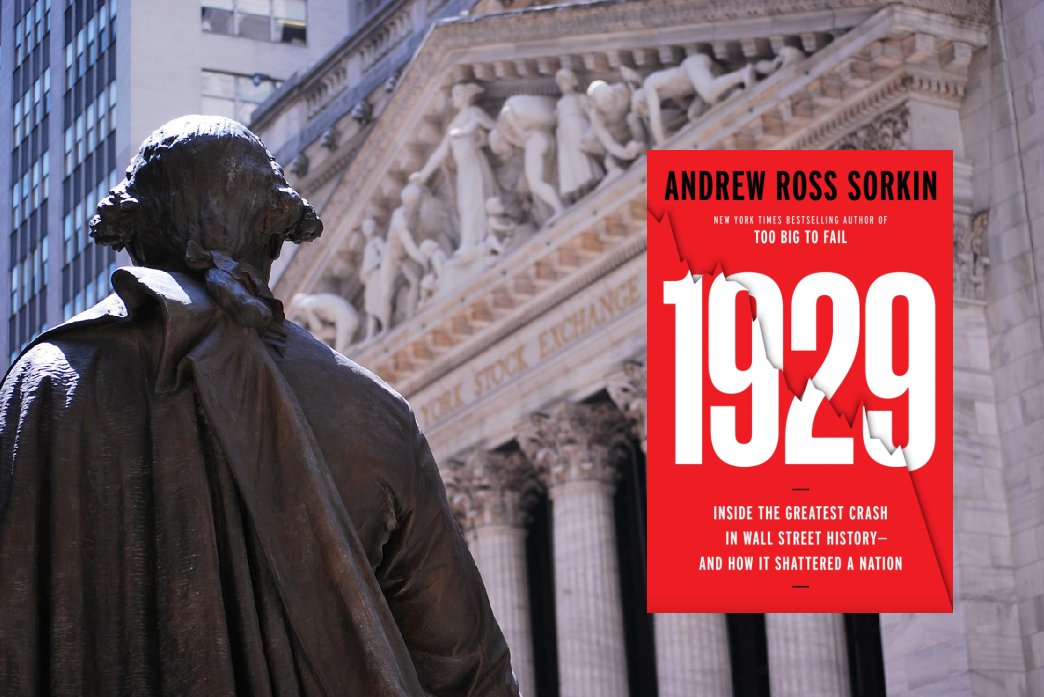
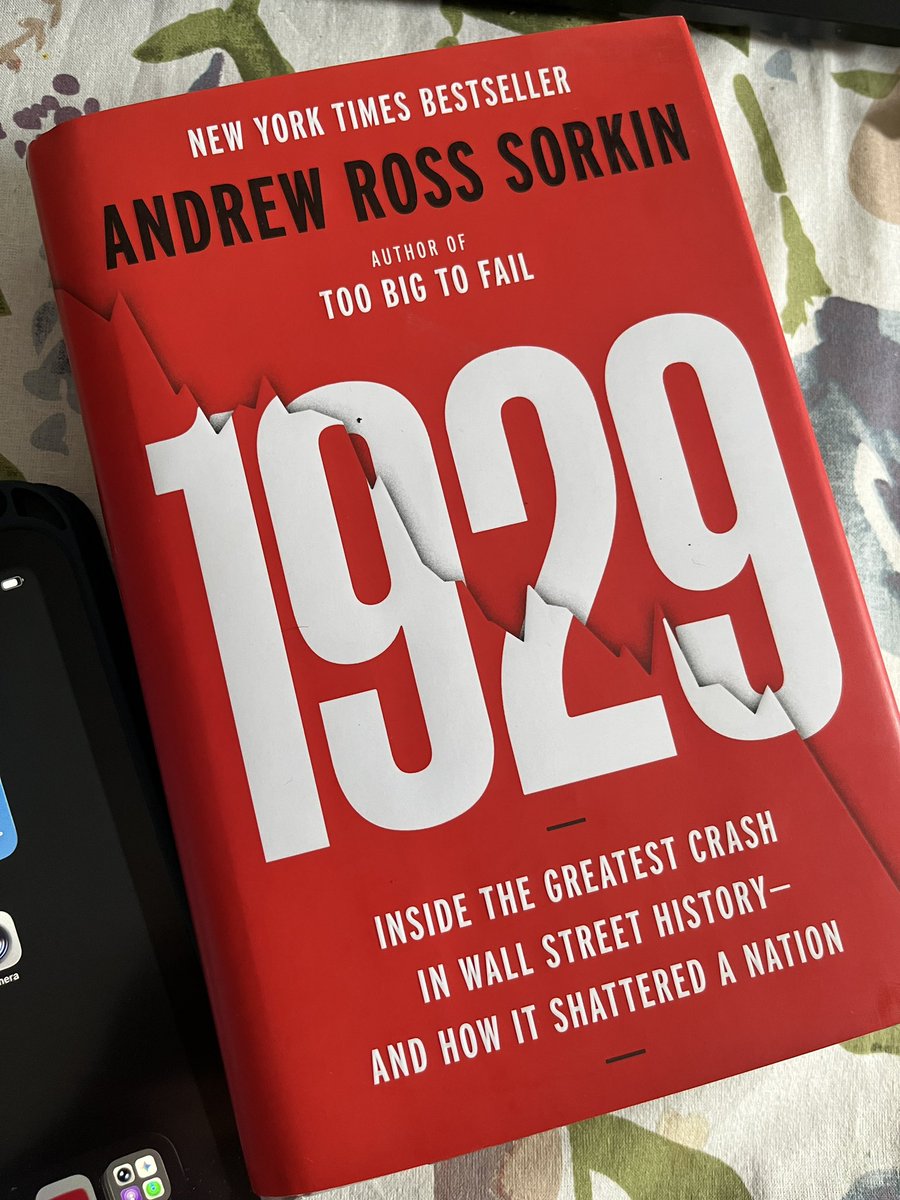
1929: Inside the Greatest Crash in Wall Street History--and How It Shattered a Nation
I had always had a vague idea about 1929, and somehow the phrase “soup kitchen” was always attached to it in my mind. This book added an entirely new dimension to that period. One example was Hoover’s infamous attempt to rebrand the stock market “panic” as a “depression” — a term that ultimately stood the test of time.
The book reads almost like fiction, which made it incredibly engaging. What made it even more fascinating was how much history seems to be rhyming as I write this review in 2026. Today the flavor is AI; back then it was old-line industries. But greed, fear, speculation, and mass hysteria remain exactly the same. Yes, regulatory systems are stronger today, but many people believed the same thing in 2008, and to some extent even in 1929.
The story of Mitchell selling shares to his wife to avoid further losses in the market was especially striking. Whether it was technically a tax strategy or simply an attempt to stop the bleeding may have been a legal question back then, but nearly 100 years later it still feels like a moral question. Similarly, the conflict of interest involving the otherwise impeccable Glass and J.P. Morgan was so compelling that it could easily be turned into a movie on its own.
It was also interesting to see how many modern financial structures and government responses trace their roots back to 1929 — abandoning the gold standard, government bank holidays, and the separation of investment and commercial banking.
My only criticism is that the book does not always introduce its major figures clearly enough. Characters like Lamont, Mitchell, Glass, and Pecora sometimes blend together, especially in a 500 page book. At times, it became difficult to keep track of who was who.
That said, the quality of the book was so high that I ended up getting the Audible version and listening to the entire thing a second time.
@andrewrsorkin #1929
#depression #greatdepression