The official X account of Yale University.

Joined May 2007
3,668 Photos and videos
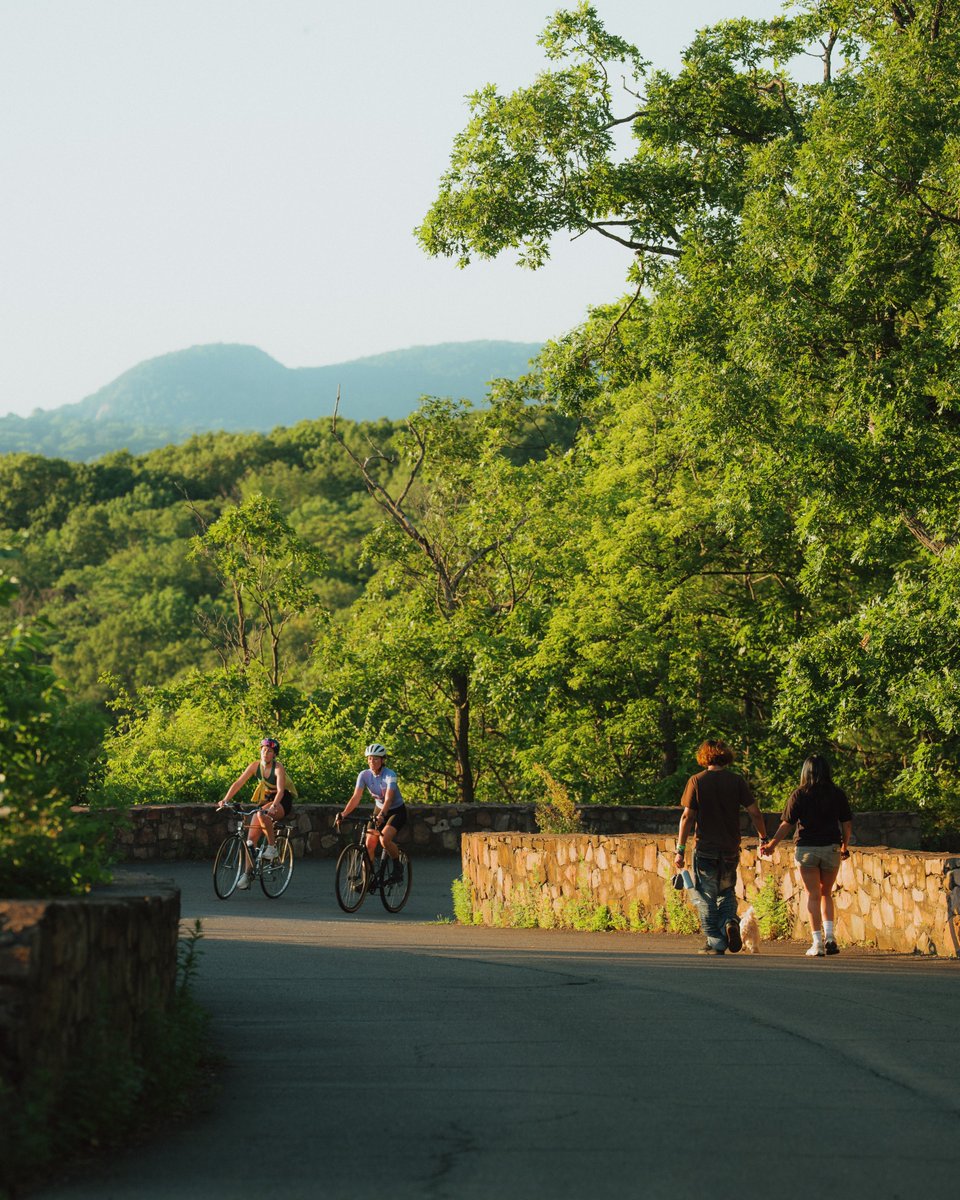
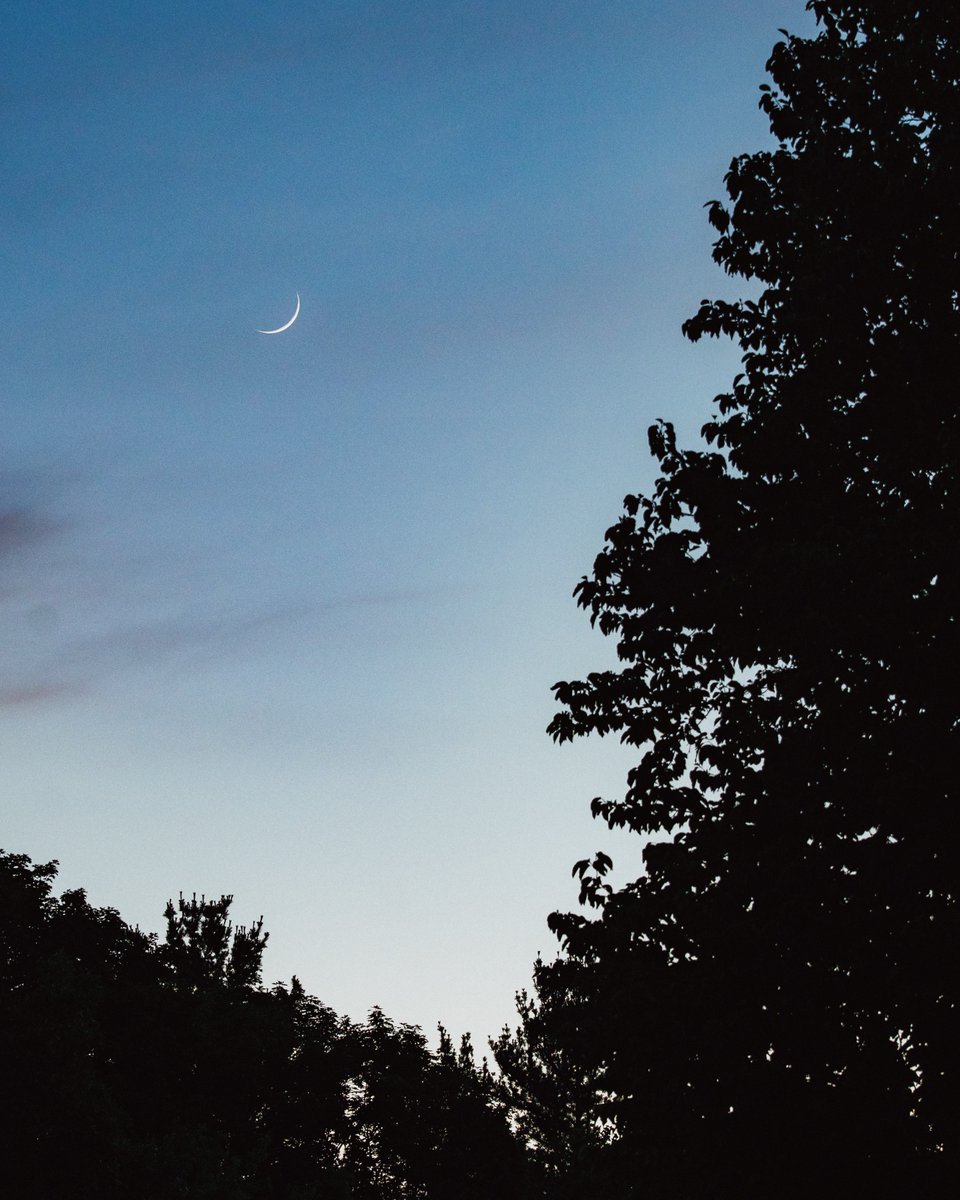
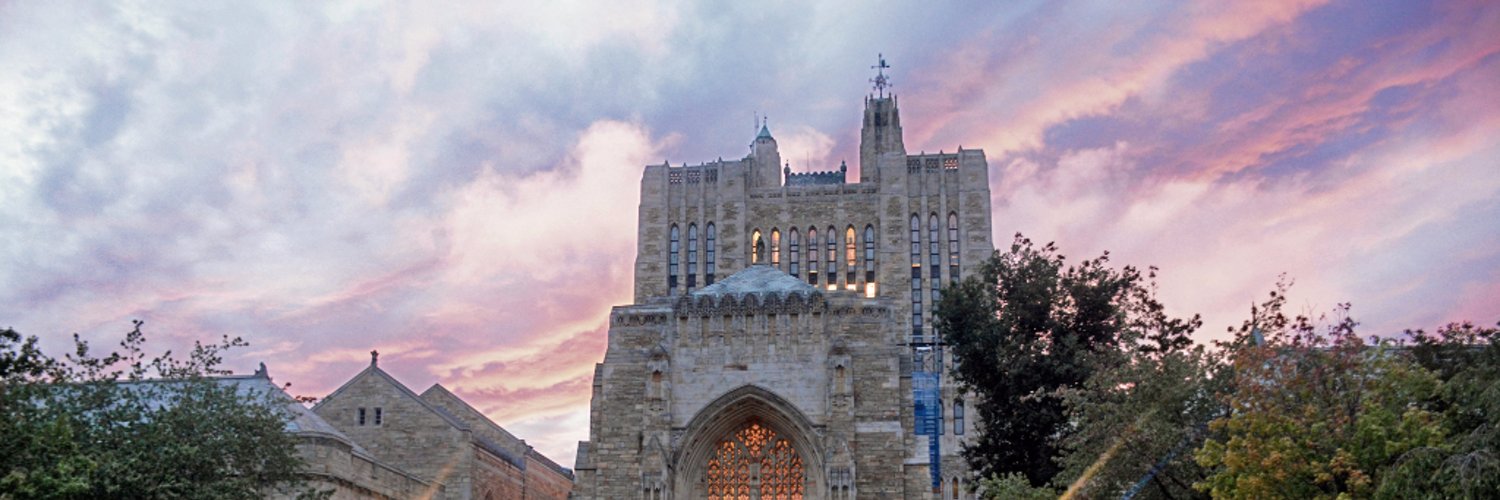
A summer night atop East Rock taking in the views of our campus and home city.
5
20
123
7,910
Before the United States was a nation, Yale was already part of its story. During the American Revolution, many Yale students, alumni, and leaders took up the patriots' cause as war reached New Haven and the campus itself. Explore the story: bit.ly/4oVIOf6
4
43
156
10,488
Celebrating America 250. 🇺🇸 When the Declaration of Independence was signed in 1776, Yale was already 75 years old. As the United States marks its 250th birthday, Yale News has gathered the stories, exhibitions, walking tours, and historical collections that connect these two deeply intertwined histories. Explore it all: bit.ly/4eUbCQD
9
38
205
8,373
250 years later, the stories are still here. 🇺🇸 From historic buildings to statues and memorials, these campus landmarks reflect Yale's connections to the Revolutionary era and the nation's founding: ▪️ Yale Visitor Center ▪️ Grove Street Cemetery ▪️ Memorial Hall ▪️ Declaration of Independence ▪️ Nathan Hale Statue ▪️ Connecticut Hall ▪️ American Revolutionary War Paintings ▪️ Quilt Discover the stories behind each of these sites and artifacts — and, if you're in New Haven, explore the full self-guided walking tour: bit.ly/3SrJehl
9
33
169
10,081
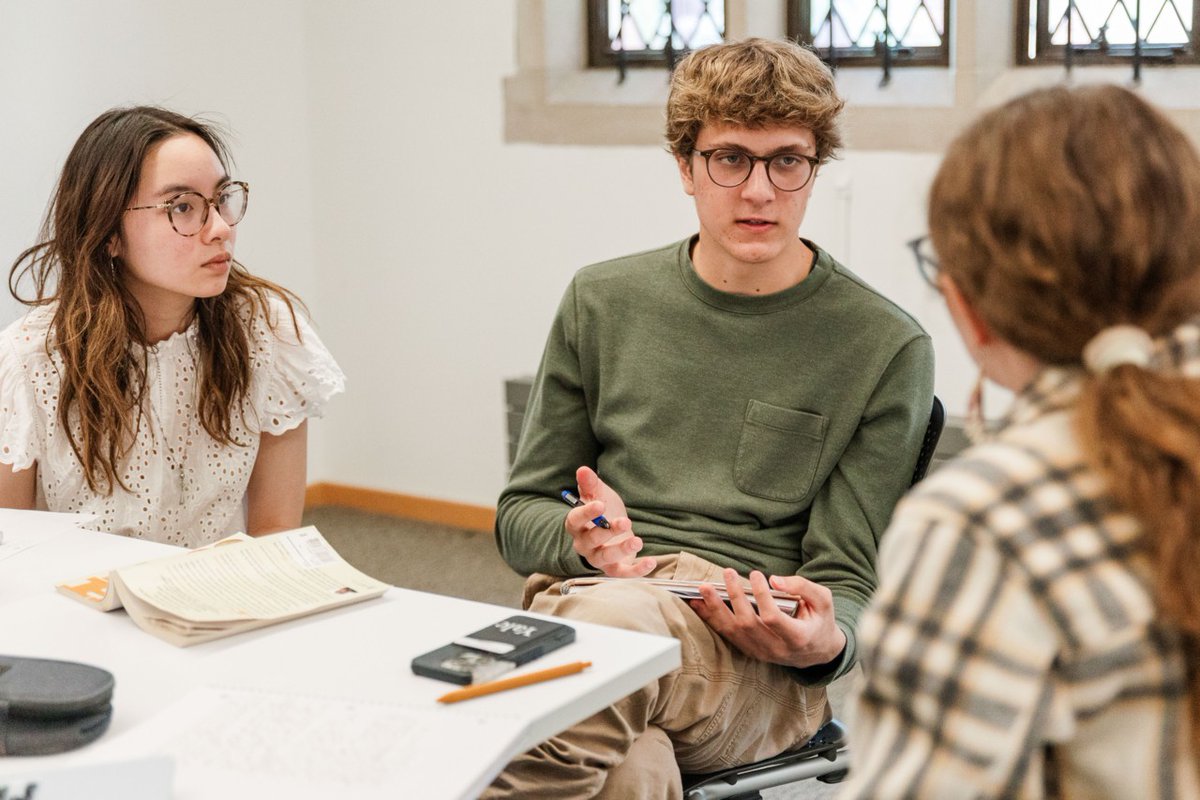
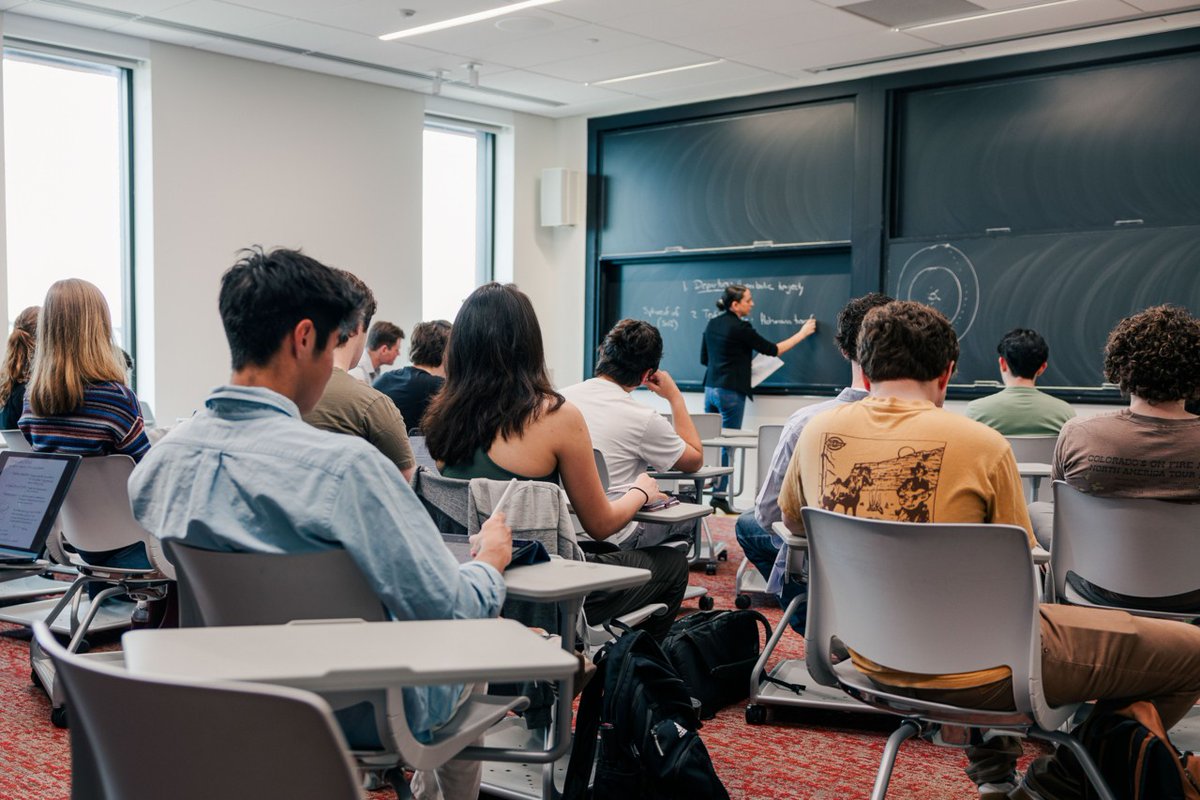
The best classrooms inspire learning on both sides of the room. Each year, Faculty Bulldog Days lets Yale instructors become students again, visiting open classes across disciplines. Fall session: October 5–9. Registration is open. Learn more: bit.ly/4behKC7
1
7
35
4,738
A new vision for quantum computing is taking a big step forward. A Yale-led project called ERASE has received a $4 million National Science Foundation grant to advance a quantum computer design built around a key innovation: qubits that can identify their own errors when they occur, making them significantly easier to correct. The grant will also expand quantum workforce development in New Haven. Read how the project works and what comes next: bit.ly/4wlkBl8
11
31
123
8,977
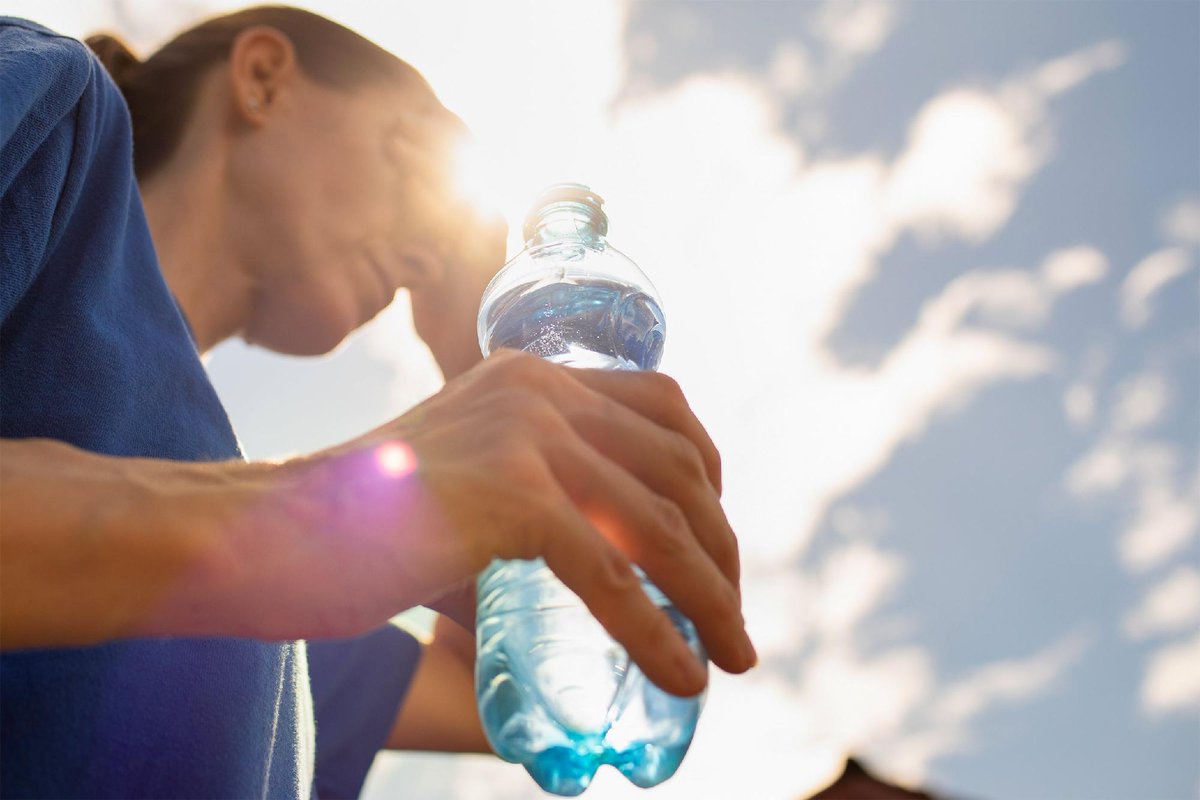
Much of the country is under extreme heat this week. David Della-Giustina knows firsthand what that feels like. A retired Army colonel who served as a physician during combat tours in Afghanistan and Iraq, he is now a Yale emergency medicine specialist. In a Q&A, he breaks down the difference between heat exhaustion and heat stroke, who is most at risk, and the counterintuitive clothing tip that can actually keep you cooler in direct sunlight. Read his advice before heading outside: bit.ly/3QMHheE
7
8
22
3,439
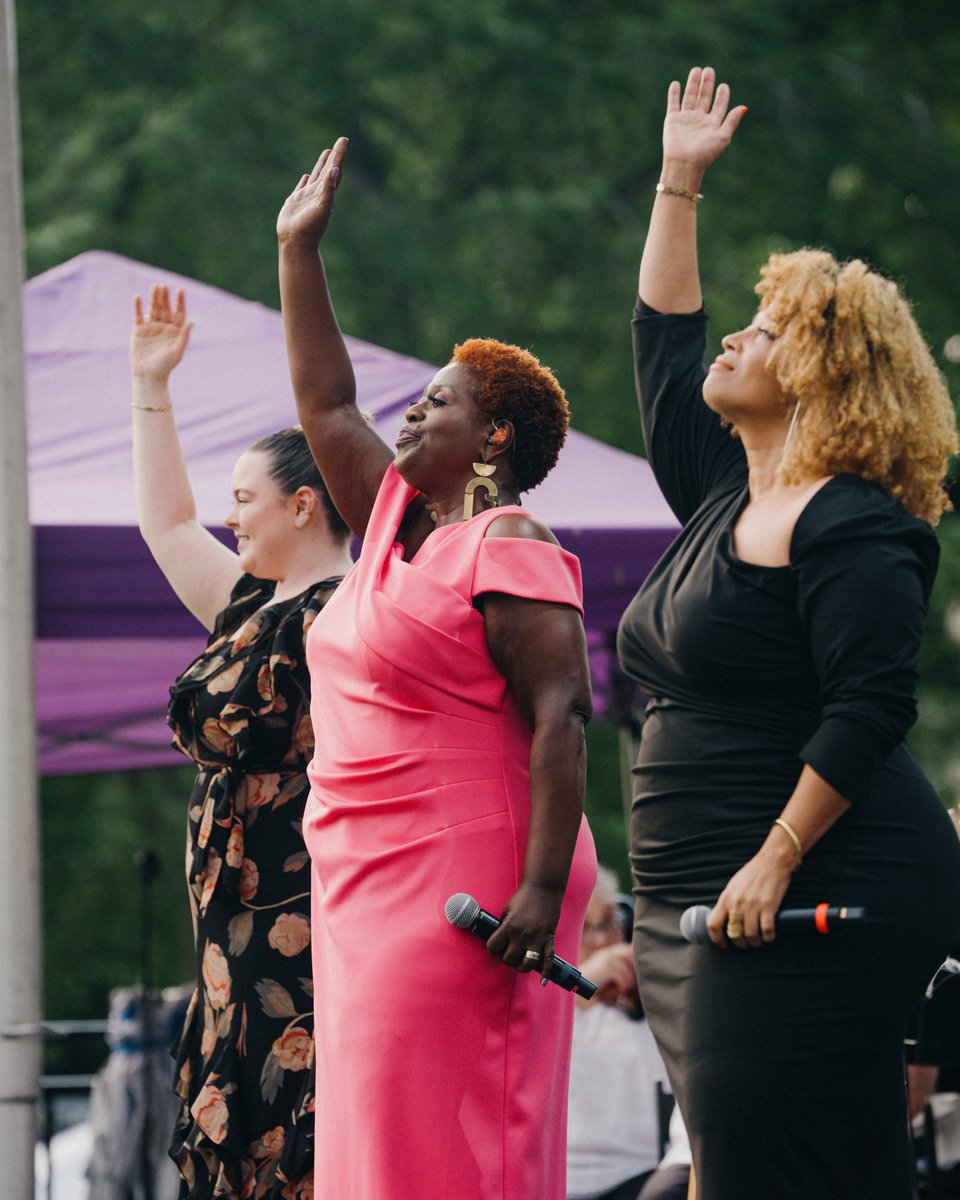
A perfect summer evening on the New Haven Green. 🎶 The New Haven Symphony Orchestra, joined by Capathia Jenkins and Ryan Shaw, delighted the crowd during the International Festival of Arts & Ideas, an annual New Haven tradition that transforms our home city with performances, art, and conversations for all. @ArtIdea
2
5
26
3,848
Yale astronomers have found a third galaxy with almost no dark matter, and it sits in a straight line with the first two. All three appear to have formed in the same violent cosmic collision. A line of dark-matter-free galaxies has never been seen before. Read how the discovery unfolded: bit.ly/4oKNN2d
18
85
359
18,934
AI can already help radiologists catch breast cancers they might otherwise miss. But Yale radiologist John Lewin says the more transformative capability is what comes next, using AI to predict a patient's future risk of developing breast cancer, years before any sign of it appears. In a Q&A, Lewin explains how the technology works, where it stands today, and what it could mean for screening: bit.ly/4uNaiot
9
26
97
10,197
Ancient DNA is helping scientists better understand how humans evolved. In a new Yale study, researchers analyzed genomes from Oceania and found that DNA inherited from extinct human relatives helped early humans adapt to their environments and continues to influence biology today. Read more: bit.ly/4gzuC9l
10
54
191
18,939
As AI becomes a bigger part of everyday life, questions about accuracy and trust are becoming more important. In a Q&A, Yale researchers examine why chatbots can generate inaccurate information or misinterpret user intent, and how new approaches could help make AI systems more reliable and trustworthy. Read more about the effort to improve AI accuracy: bit.ly/4vtikUS
11
9
47
4,767
Stella Choi '26 wrote a children's book on AI literacy and tested it for her senior thesis. Now she's headed to Paris as one of 30 students in the inaugural Lafayette Fellowship cohort, pursuing a master's in AI and society. Read her story: bit.ly/4vXcD1f
4
11
49
6,228
Yale researchers have developed a new kind of brain-computer interface that lets humans play video games directly with their brains, with potential benefits far beyond making your controller obsolete. Learn how they did it — and why: bit.ly/4uDi6Jr
13
33
83
6,910
When his unit was ambushed in Afghanistan in 2012, then-Lt. Nicholas Dockery shielded a fellow soldier from a grenade with his own body, rescued an unconscious colleague from enemy fighters, administered CPR, and showed himself on a rooftop to guide gunships to safety. Every soldier in the group was wounded. All of them survived. Last week, Dockery '23 M.P.P. received the Medal of Honor at the White House, the nation's highest award for military valor. Dockery attended Yale fully funded by the General Wayne A. Downing Scholarship, a program that offers select U.S. Army officers the opportunity to pursue graduate education at universities around the globe. Read more about the @yalejacksonsch alum: bit.ly/3SnpHOW
2
12
44
5,787
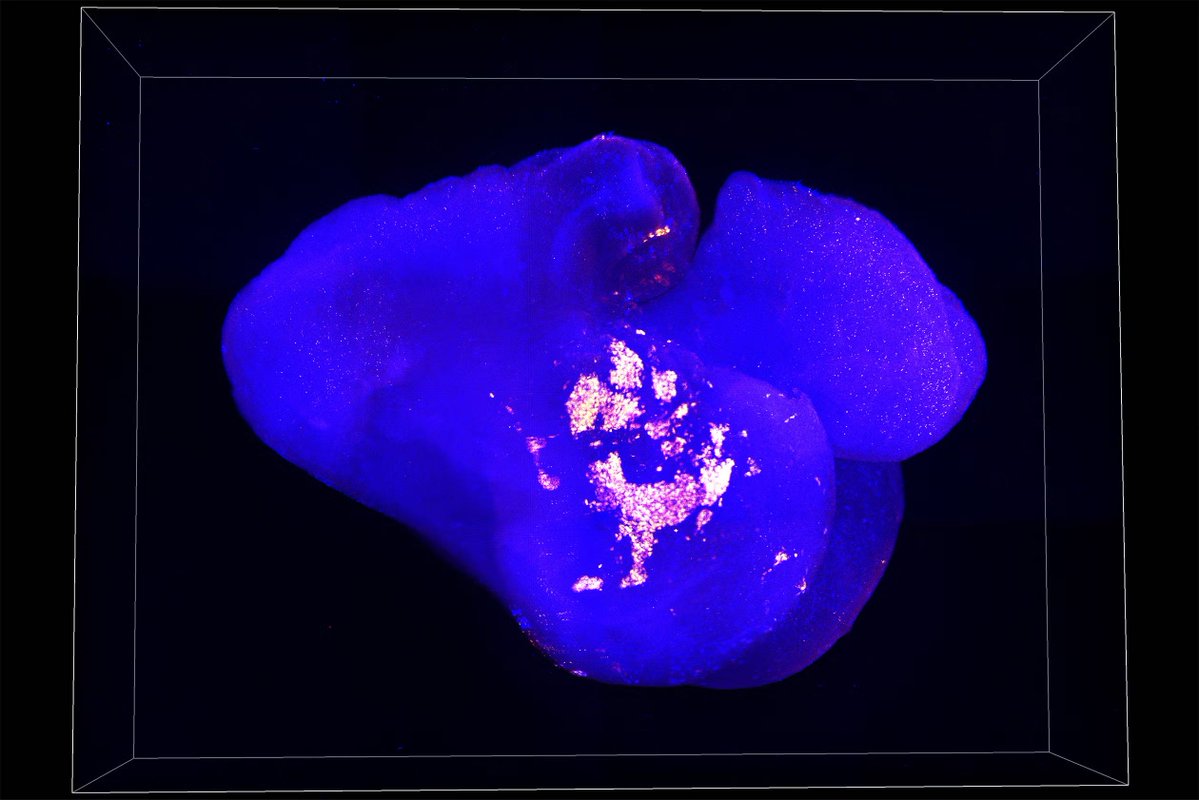
Your organs aren't just following orders from the brain. A new Yale study finds that organs like the heart, lungs, and intestines build and shape their own nervous systems, then communicate back to the brain in a two-way conversation. One of the most striking findings is that heart tissue can reprogram neurons from the gut to start behaving like heart neurons. Researchers say the discovery could eventually open new paths for treating conditions like Parkinson's disease and other organ-based illnesses. See what else researchers found: bit.ly/4aD8qYd
14
187
709
51,070
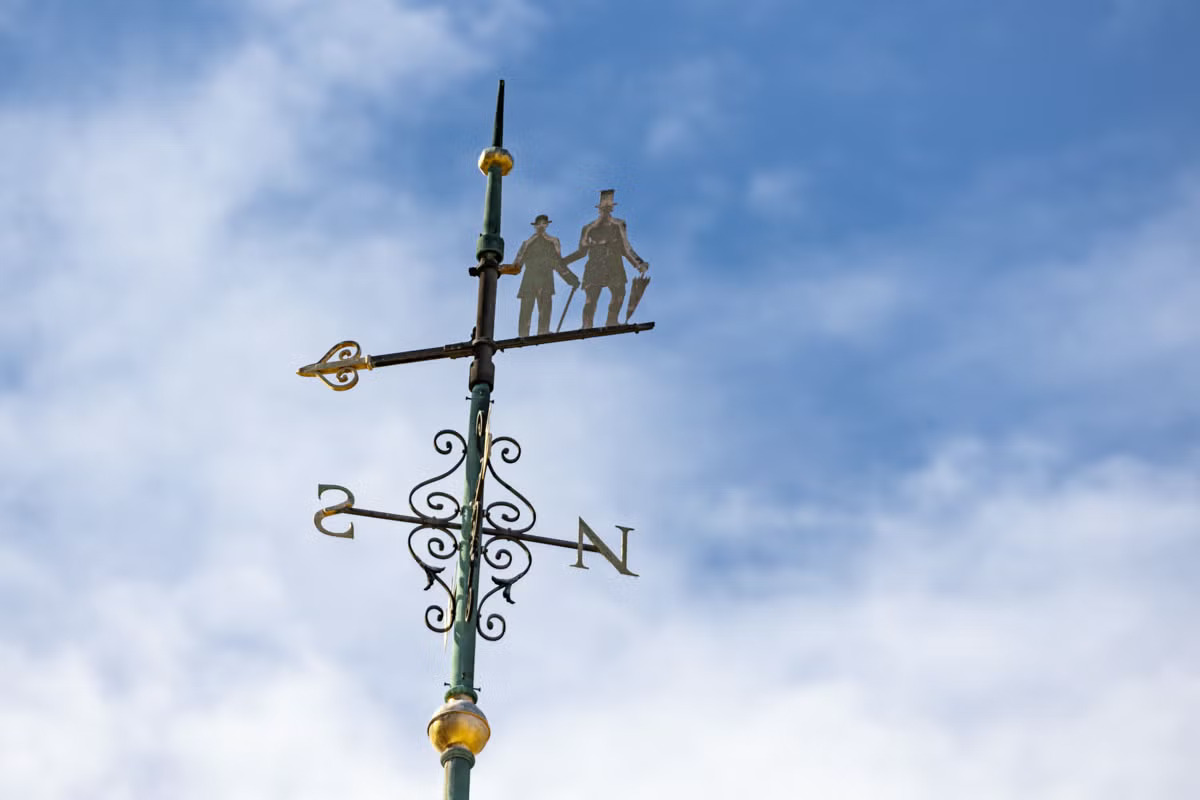
High above Yale’s courtyards and rooftops, small architectural details tell stories of the university’s past. From their beginnings as practical tools to their role in shaping the character of campus, Yale’s weathervanes reflect the Collegiate Gothic style embraced by architect James Gamble Rogers in the early 20th century. Explore the history behind these iconic rooftop markers: bit.ly/4fwBS5r
18
50
5,703
About 160 million years ago, a massive pliosaur attacked a dolphin-like ichthyosaur from below, biting with such force that the tip of its tooth snapped off, embedding in the exact center of the ichthyosaur's vertebra. That fossil sat unrecognized in the Yale Peabody Museum's collection for over a century, first acquired by paleontologist O.C. Marsh in the late 1800s. A new study used CT scanning to confirm what it really was: rare, direct evidence of one Jurassic predator's deadly attack on another. Read how researchers pieced it together: bit.ly/4uQG0l2
1
14
58
6,364
Six Yale alumni have been named Knight-Hennessy Scholars at Stanford, among 87 scholars from 31 countries chosen this year for their independent thought, leadership, and civic mindedness. Meet Sam Brakarsh, Leah Clayton, Kaley Pillinger, Andrew Rice, Veer Sangha, and Christian Thomas: bit.ly/44cAJZS
6
11
57
9,804
High blood pressure, diabetes, high cholesterol, and an irregular heartbeat are among the biggest drivers of stroke risk, and many of them are manageable. Yale neurologist Rebecca Blumenreich explains what actually works for prevention, from daily walks to a Mediterranean-style diet, and how tools like the Apple Watch are helping people catch warning signs earlier. Read her full Q&A: bit.ly/4uFcONH
4
13
38
4,911