For years, compute treated power as something to optimize. Now power is becoming the constraint.
The more time I spend around AI data center projects, the more it’s clear this has shifted from a facilities issue into a complex systems problem.
A lot of my academic career was spent focusing on distributed systems, networking, and storage, thinking about topics like server utilization, network bisection, storage placement, scheduling, and cluster orchestration. We all worked under the assumption that physical infrastructure was simply a given foundation for the compute layer.
There was a wave of systems work on green computing in the late 2000s, especially around energy-proportional computing, power-aware systems, and data center efficiency. But power was still treated as an optimization variable, and what feels different now is that power itself is becoming the constraint.
While AI infrastructure conversations usually focus on chips and clusters, the constraints increasingly show up in the physical infrastructure: power, cooling, water, grid interconnects, backup generation, and the ability to operate dense compute reliably.
You can see it at the market level too. The proposed $67B deal between NextEra and Dominion deal is being seen explicitly as a direct response to the massive electricity requirements of AI data centers. The demands are enough to change the strategic logic of the power sector itself.
At
@TimescaleDB, we are experiencing this firsthand. We have seen hyperscalers deny server expansion requests not due to a lack of hardware or demand, but because of regional power capacity limits. The physical plant is now an inseparable part of the broader systems architecture.
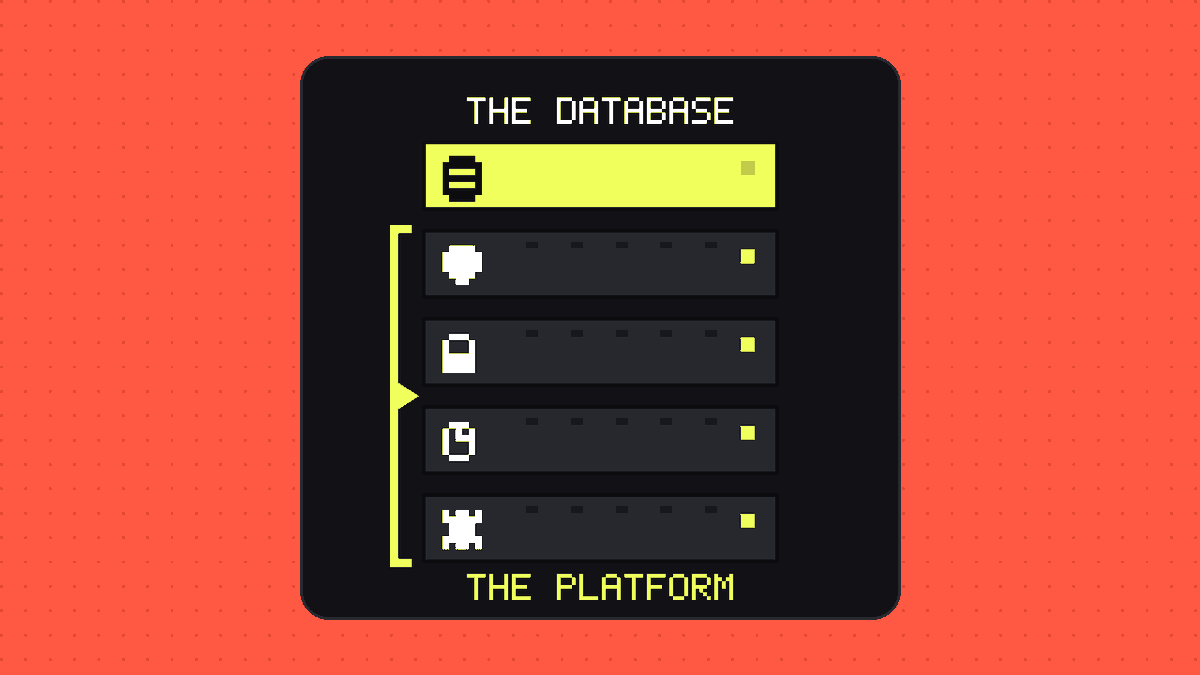
The compute layer and the physical infrastructure layer are more tightly coupled than most software people are used to thinking about. Power, cooling, water, capacity, utilization, and equipment state are no longer just metrics in an operations dashboard. They become part of how operators understand the facility, plan growth, investigate failures, improve efficiency, and decide where compute can actually run.
This is also becoming a real-time systems problem.
As power density and heat density increase, the operational control loop becomes more important. The system has to respond to changing thermal conditions, workload placement, cooling behavior, and infrastructure state. The shift from primarily air-cooled environments toward more liquid-cooled designs only makes that coupling tighter.
Ultimately, the "AI factory" is as much an energy and infrastructure challenge as it is a compute one. Because the physical system now defines the digital performance envelope, the operational data layer has moved from the periphery to the center of system architecture.
More to write.