Speaking truth to power. Watching politics with clear eyes. Pro-democracy, pro-alliance, anti-authoritarian 🇬🇧🇪🇺⚒

Joined January 2013
1,122 Photos and videos
Unbelievable Well done England
19
300
Gordon Fielden reposted
My understanding is that she was threatened by Burnham's team that if she didn't resign, there would be a relentless pile on against her. Care to comment on this report Lucy? Bullying women eh? That ok with you, coup enabler in chief? Or were you involved in the bullying?
I want to pay tribute to Hollie Ridley, who is standing down as Labour’s General Secretary after Conference. I’ve really enjoyed working with her as Deputy Leader. Hollie is Labour through and through working her way up through the Party from campaigning in the field to helping secure our landslide win 2 years ago. She’s a strong Labour woman who has delivered so much for our Party. No one ever really leaves working for Labour but she has a bright future whatever she chooses to do next.
14
134
426
9,898
Gordon Fielden reposted
Two years on, we've delivered real change across the country. From putting more money in people's pockets, to improving public services and making communities safer. Here's a look at what we've achieved so far👇
2,447
283
1,139
166,987
Protecting free and fair elections is indeed above party politics, and every democrat should support that principle. But those values must begin at home. Many Labour members still feel they were denied the opportunity to elect their own leader when a leadership contest was avoided. It is difficult to speak of strengthening democratic processes for the country while so many believe that democratic choice within the Party itself was set aside. If democracy is to command public confidence, it must be applied consistently. It cannot be championed when it is convenient and overlooked when it is politically expedient. Protecting elections from foreign interference, bots and manipulation is important, but so too is ensuring that members of political parties are trusted to exercise their own democratic rights. The principles should be the same in every setting.
Protecting free and fair elections is above party politics. We all have a stake in ensuring that elections are decided by informed voters—not by bots, manipulated algorithms or foreign interference. How I want to strengthen the Elections Bill 👇🏻 mirror.co.uk/news/politics/m…
4
56
152
1,993
It is difficult to reconcile this sentiment with the manner in which it is delivered. To extol the virtues of diversity of opinion whilst simultaneously denying others the opportunity to respond publicly is a contradiction that rather undermines the message itself. Open debate has always been the hallmark of a confident democracy. Those entrusted with high office should be prepared not only to advance their own views, but also to defend them when challenged. Shielding oneself from legitimate criticism does little to inspire confidence and instead creates the impression that dissenting voices are to be managed rather than heard. If the Labour Party is to remain a broad church, it cannot simply celebrate diversity of opinion in principle; it must be willing to accommodate it in practice. That requires openness, accountability and a willingness to engage with those who disagree, even when the questions are uncomfortable.
“All of us are very keen to ensure that there is diversity of opinion and representation of all the different traditions of the Party and country as well as obviously making sure that we’ve got strong voices from women at the top of the party.” theguardian.com/politics/202…
4
53
165
2,896
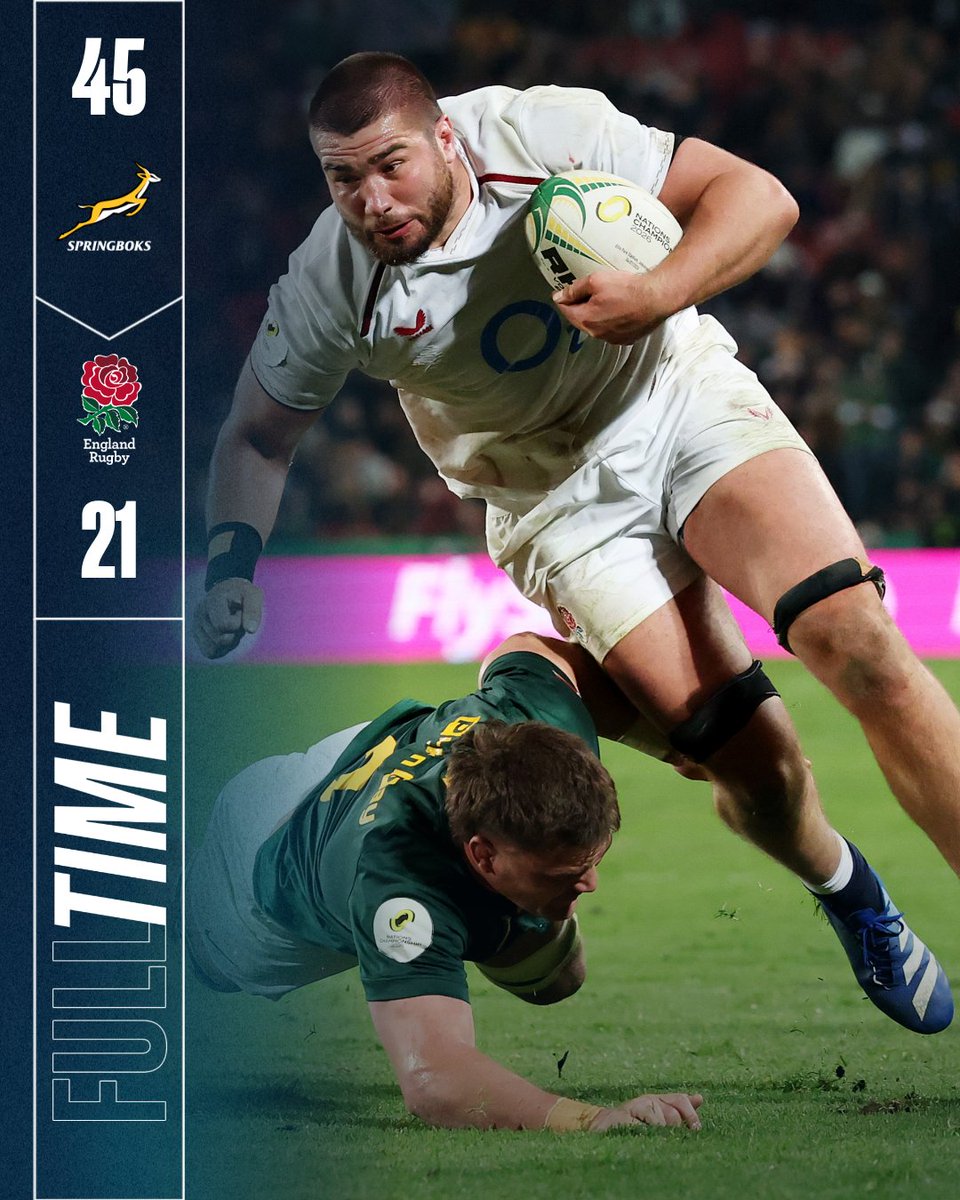
There comes a point at which loyalty becomes negligence, and English rugby has now reached it. At the conclusion of last season, supporters made their views abundantly clear. The warning signs were there for all to see. Those entrusted with the stewardship of the game chose to ignore them. The inevitable has followed. England have once again been comprehensively outclassed by South Africa. This was not an unfortunate defeat, nor the consequence of a momentary lapse. It was the latest chapter in a sustained pattern of tactical confusion, basic errors, poor discipline and a side that appears to lack both direction and conviction. The players must accept their share of responsibility, but they are not the architects of this decline. The responsibility rests squarely with the coaching staff and those within the RFU who have continued to defend the indefensible. Leadership is measured by results, and the results have been consistently inadequate. The head coach has now had ample opportunity to demonstrate that he possesses the vision, authority and tactical acumen required to restore England to the summit of world rugby. The evidence suggests otherwise. Continuing to persevere in the hope that matters will somehow improve is no longer prudent; it is an abdication of responsibility. Nor should scrutiny end there. The leadership of the RFU has presided over this prolonged deterioration whilst asking supporters to remain patient. Patience is not an inexhaustible commodity. It is earned through progress, and progress has been conspicuous by its absence. English rugby is one of this nation's great sporting institutions. It deserves ambition instead of complacency, excellence instead of excuses, and leadership instead of inertia. The time for sympathetic assessments and carefully crafted justifications has passed. It is time for accountability. It is time for sweeping change. Above all, it is time for those entrusted with the future of English rugby to recognise that failure cannot be rewarded indefinitely.
Defeat in Johannesburg. #RSAvENG
5
1
16
1,875
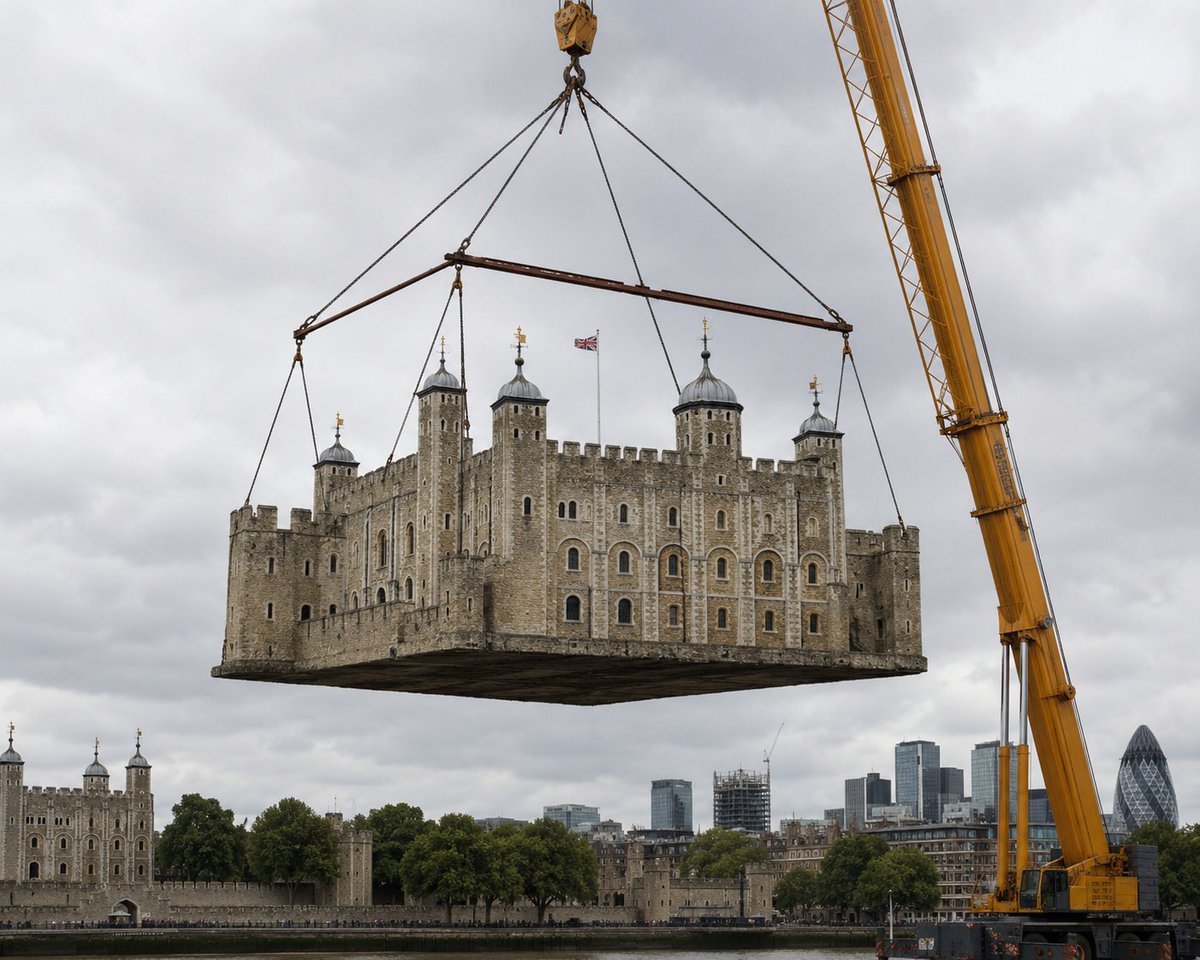
RT @Vinc_Ev_: 🚨 Breaking: Tower of London set to be moved to Manchester.
47
31
There is a certain irony in Penny Mordaunt presuming to lecture the country on defence. She served as a minister throughout much of the Conservative era that left our armed forces facing well documented capability shortfalls, yet now seeks to present herself as an authority on the very record to which she contributed. The electorate delivered its own verdict by removing her from Parliament at the last General Election. Before criticising the present Government, she might first explain why fourteen years of Conservative stewardship failed to deliver the resilient and properly funded defence posture she now claims Britain requires. Credibility is earned through results, not retrospective commentary.
'Britain must step up'. Former defence secretary Penny Mordaunt gives a scathing assessment of Starmer's failures in defence spending.
9
84
219
3,274
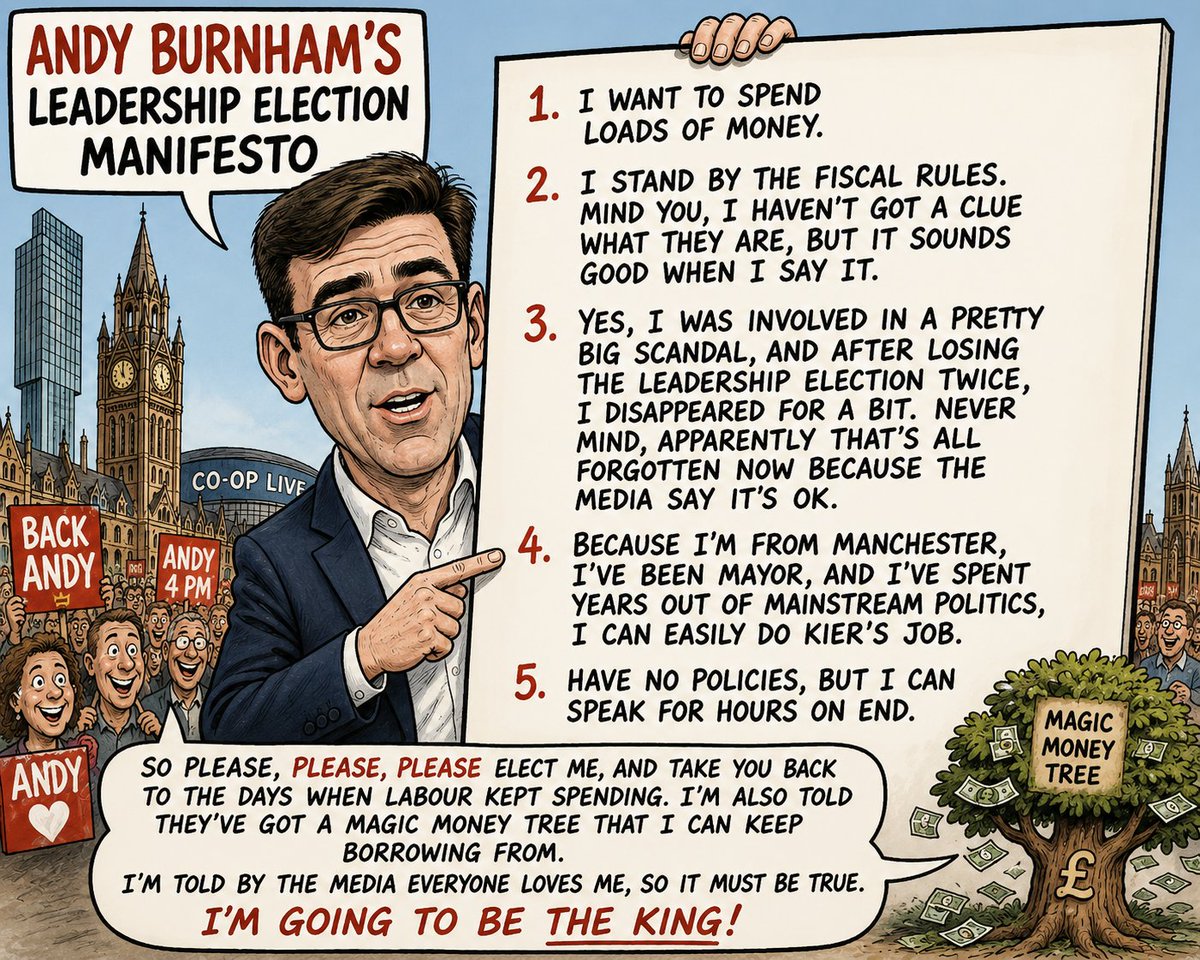
John, your column asks readers to believe you can divine what was going on inside Andy Burnham's mind. That is opinion masquerading as analysis. Critique what he actually said by all means, but questioning his sincerity without compelling evidence says more about modern political commentary than it does about him.
Andy Burnham finally gave us a flawless interview … as long as he didn’t mean a word of it independent.co.uk/voices/and…
37
27
191
47,745
I believe the greatest abuse within our media landscape comes not from ordinary members of the public, but from the mainstream media organisations themselves. If the Government is serious about regulation, it should begin by ensuring that public service broadcasters such as GB News, the BBC, ITV and Sky News are held to the highest standards of impartiality and accuracy, particularly in relation to their political editors and the content they publish. The same principle should apply to sections of the national press. Newspapers such as the Daily Mail, Daily Telegraph and Daily Express too often appear willing to sacrifice balance and factual accuracy in favour of sensationalism. Narratives are manufactured, speculation is presented as fact, and individuals, whether ministers or private citizens, are subjected to relentless campaigns until the weight of public pressure becomes overwhelming. Before seeking to curtail the ability of ordinary citizens to respond on social media, your department should first address the standards of those media organisations that shape public debate on a daily basis. The Government has both the authority and the responsibility to ensure that those with the greatest influence are held properly to account. I have already written to you on these matters. As the minister responsible for this department, your response was profoundly disappointing. Public life inevitably attracts criticism. If you are unwilling to engage with robust scrutiny or withstand legitimate criticism, then you should seriously question whether you are suited to hold ministerial office. Freedom of the press comes with responsibilities. When media organisations cross the line by abandoning accuracy, fairness and impartiality, they must be held accountable. Those with the greatest influence over public opinion should also bear the greatest responsibility for exercising that influence wisely.
I've decided to leave this platform and my Department will too. A platform originally designed for free speech and expression now favours abuse and misinformation over meaningful debate. It isn't healthy for our democracy or our communities and I don’t want to support it.
13
146
372
4,616
This is, with respect, an extraordinary abdication of ministerial responsibility. If Lisa Nandy genuinely believes that X has become a platform where abuse, intimidation and unlawful content are too readily tolerated, then her duty as the Cabinet minister responsible for digital policy is to address that failure, not withdraw from it. Public life is not without criticism. Every minister is subjected to robust scrutiny, often accompanied by unpleasant and deeply unfair commentary. That is an unfortunate reality of democratic politics. The appropriate response is not to retreat from a platform used by millions of people, but to ensure that it operates within the framework of UK law. Where content is unlawful, the law should be enforced. Where the regulatory framework is inadequate, Parliament has the power to strengthen it. Social media companies that choose to operate in the United Kingdom should be expected to comply fully with the standards and obligations set by this country. Closing official Government accounts achieves none of those objectives. It neither protects the public nor deters those responsible for abuse. Instead, it removes an authoritative Government voice from one of the largest public forums in the world, leaving that space to others. Leadership is measured not by walking away from difficult problems, but by confronting them, legislating where necessary, enforcing the law impartially, and ensuring that those entrusted with public platforms meet their obligations to the people they serve.
I've decided to leave this platform and my Department will too. A platform originally designed for free speech and expression now favours abuse and misinformation over meaningful debate. It isn't healthy for our democracy or our communities and I don’t want to support it.
82
566
1,930
42,316
Labour's hard left has wasted no time in presenting Andy Burnham with its shopping list of demands. Some of those proposals already feature in Labour policy, but others amount to little more than an attempt to drag the party back towards the economic thinking of the 1970s. This is the first real test of Mr Burnham's leadership. The rhetoric about "Manchesterism" may have found favour during his leadership campaign within the Parliamentary Labour Party, but neither the wider Labour membership nor the British public has ever been asked to endorse that vision. A Prime Minister governs the whole United Kingdom, not one city or one region. Yet Mr Burnham begins without the authority that comes from winning a general election as party leader or securing a mandate from Labour's membership. That leaves him in an unenviable position, caught between the expectations of the party's hard left and the realities of governing a nation. If these demands are indicative of what lies ahead, he risks spending more time trying to appease competing factions within his own party than governing in the national interest. That, in my view, is a recipe for political failure.
Labour doesn’t just need a new leader - it needs a fundamental change of direction. Thanks to @LabourOutlook for publishing the full statement from the Socialist Campaign Group on our key policies for the next Labour leader. 🔗 Read it here in full: labouroutlook.org/2026/06/26…
19
56
134
3,662
Now this is what a Mayor who understands the job looks like. Andy, take note. This is the sort of leadership Manchester deserves. No gimmicks, no slogans, no grandstanding, just a clear focus on delivering practical results for the people who elected you. Sadiq Khan simply gets on with the job. Perhaps there is a lesson in that.
Extreme heat is already putting 1 million London homes at risk of overheating and costing lives. That’s why we’ve launched London’s first heat plan - helping protect communities with cooler spaces, more trees, safer transport, resilient homes and stronger emergency response.
21
106
303
5,141
Firstly, why are replies disabled? As the United Kingdom's public service broadcaster, funded by the licence fee payer, the BBC should never publish political content on X whilst denying the very public who fund it the opportunity to respond. Public debate is not something to be curated only when it is convenient. Disabling replies creates the impression that the purpose is not to encourage scrutiny or discussion, but to broadcast political propaganda without challenge. That is wholly inconsistent with the principles of openness, impartiality and accountability that the BBC is expected to uphold. Secondly, if this is such an obvious and compelling solution, why did the Conservatives fail to introduce it during their 14 years in government? They had ample opportunity to legislate, yet chose not to do so. It is rather convenient to discover such conviction only once in opposition. As for Chris Philp, he is hardly the most compelling advocate for constitutional or legislative reform. His interventions are too often characterised by political point scoring rather than careful thought or serious analysis, which does little to strengthen the credibility of the argument he seeks to advance.
"The only way to fix this is to stop small boat crossings completely." Shadow Home Secretary Chris Philp responds to a BBC investigation that found a convicted people smuggler is living in Leicestershire. bbc.co.uk/news/articles/clye…
5
69
154
3,074
Lewis, that narrative simply does not withstand scrutiny. Sir Keir Starmer remains Prime Minister and has both the authority and the duty to govern until the final day of his premiership. To suggest that he should have stopped governing simply because Andy Burnham was waiting in the wings would have been a dereliction of duty. The truth is that Andy Burnham has no excuse. He inherits the office with the full authority to amend, replace or reverse any policy he chooses. If he genuinely believes he has a better vision for Britain’s defence, economy or public services, he is entirely free to present it. That is precisely why this argument falls apart. Burnham can no longer rely on criticism or carefully crafted soundbites. He must now produce detailed, credible policies of his own, and accept full responsibility for them. If they succeed, the credit will be his. If they fail, the responsibility will be his as well.
Starmer has released his Defence Investment Plan, a year overdue, which would leave a £5bn black hole. Is the prime minister trying to screw Burnham before he’s even started? The News Agents disagree… @maitlis | @jonsopel | @lewis_goodall
17
116
342
7,341
There is a certain irony in hearing Kemi Badenoch deliver lectures on the stewardship of Britain's defence when she herself sat around the Cabinet table of a government that, over the course of fourteen years, presided over the steady diminution of our Armed Forces. She cannot plausibly present herself as a detached critic of that record. She was part of the administration that shaped it and must therefore accept a measure of responsibility for its consequences. What is more striking is the absence of any credible alternative. Beyond familiar slogans and the recital of ever larger financial figures, there has been precious little evidence of a strategic vision worthy of a nation confronted by the most volatile security environment in decades. Defence is not measured simply by the size of the cheque one is prepared to write. It is measured by whether resources are directed towards the threats that are most likely to confront us. On this occasion, the Labour government deserves recognition. Rather than preparing for the wars of yesterday, it has acknowledged the character of the conflicts of tomorrow. The battlefields of the modern age are increasingly defined by autonomous systems, cyber warfare, artificial intelligence, electronic warfare and the relentless pace of technological innovation. Continuing to procure increasingly expensive platforms that require decades to reach operational service, only to discover that elements of their capability have already been overtaken by events, is neither prudent nor strategically sound. The criticism that not every pound has yet been allocated carries rather less force than its advocates imagine. Governments of every political complexion have long financed major defence programmes across successive Budgets. The true test of leadership is not whether every line of expenditure appears simultaneously upon a balance sheet, but whether ministers possess the judgement and resolve to ensure that Britain's security is never compromised. For that reason, Sir Keir Starmer deserves credit for restoring defence to its proper place among the foremost responsibilities of government. He has demonstrated a clear appreciation of the strategic realities now confronting both Britain and the wider NATO alliance. Should he, in time, be called upon to serve as Secretary General of NATO, I can think of few better qualified to discharge that responsibility with distinction.
3
61
157
1,868
Oh, do spare us the theatrics, John. Sir Keir Starmer did precisely what he undertook to do. He concluded his premiership with dignity, honour and respect for the office he held, leaving with his integrity intact. Your attempt to portray him as somehow seeking to undermine Andy Burnham is as contrived as it is intellectually dishonest.The real story is not Sir Keir Starmer. It is the Parliamentary Labour Party's determination to engineer an uncontested succession, denying hundreds of thousands of Labour members any meaningful opportunity to choose their own leader. That is the democratic outrage. That is the constitutional question. Yet you choose to ignore it in favour of another sensational headline that bears little resemblance to reality.This is precisely why so many people have lost confidence in sections of the political media. Rather than holding those with real power to account, you manufacture convenient narratives and present conjecture as analysis. Serious political journalism is supposed to challenge power, expose uncomfortable truths and inform the public. Instead, you have produced yet another piece of theatrical speculation that contributes nothing to an honest understanding of what has actually taken place.
Keir Starmer is trying to blow up Andy Burnham before he’s started independent.co.uk/voices/kei…
45
239
831
14,669
Is it unreasonable to ask whether Lucy Powell, as Deputy Leader of the Labour Party, should now account for the role she is alleged to have played in the removal of Sir Keir Starmer? If she actively encouraged Members of Parliament to withdraw their support from the elected Leader, or otherwise facilitated Andy Burnham's accession to the leadership, then it is surely legitimate for Labour members to ask whether such conduct is compatible with the responsibilities entrusted to the holder of the Party's second highest office. If there is evidence that the Party's rules have been breached, then those matters ought to be examined through the Party's established disciplinary procedures, impartially and without favour. More fundamentally, however, there is the question of political legitimacy. The Deputy Leader occupies a unique constitutional position within the Labour Party. That office exists not merely to exercise influence, but to support and uphold the leadership entrusted to the Party by its members. Where a Deputy Leader is perceived to have participated in, or acquiesced to, the removal of that elected leader, confidence in the office itself is inevitably called into question. For that reason alone, there is a compelling constitutional and democratic argument that Lucy Powell should seek a renewed mandate from Labour's membership. If she remains persuaded that her actions reflected both the interests and wishes of the Party, she should have no hesitation in submitting herself to the judgement of those who elected her. Such a contest would serve a wider purpose. It would provide Labour's membership with their first genuine opportunity to express a view upon the manner in which the Party's leadership changed hands. Should Ms Powell secure a renewed mandate, her authority would be strengthened accordingly. Should she fail to do so, the outcome would inevitably be interpreted as a verdict not merely upon her own position, but upon the process that elevated Andy Burnham to the leadership. Political parties rightly speak of accountability, transparency and democratic legitimacy. Those principles should apply no less within their own ranks than they do in government. If Labour believes in those values, then there is every reason why its Deputy Leader should now seek the explicit confidence of the Party's membership. Anything less risks leaving unanswered questions that will continue to cast a shadow over both her office and the circumstances surrounding the Party's change of leadership.
Great to chat to @TomMcTague at @NewStatesman Politics Live event today - I talked about how we use this moment to drive culture change in the Labour Party so that we listen, respect and value the contribution of our whole movement not just one part of it.
58
251
687
53,619
It never ceases to amaze me when broadcasters such as Channel 4 continue to frame political debate through the outdated language of class. Perhaps they should begin by defining precisely what they mean by "working class" in modern Britain. That description reflected the economic realities of the 1970s and 1980s, when Britain possessed a substantial manufacturing base and class identity was often closely linked to occupation. Today, however, manufacturing accounts for only around 8.7% of the United Kingdom's GDP. The economy has fundamentally changed, as has the workforce. The overwhelming majority of people are employed in services, technology, healthcare, education, finance, logistics, hospitality, construction and countless other professions that simply do not fit the old stereotypes of class politics. The notion that Britain can still be neatly divided into rigid working, middle and upper classes is increasingly detached from economic reality. The more meaningful distinction today is not one of class, but of opportunity. People either have secure employment or they do not. They are either able to improve their standard of living or they are struggling to do so. That is where political debate should be focused. Until broadcasters such as Channel 4 abandon this outdated class-based narrative, they will continue to describe a Britain that no longer exists, rather than the one the country has actually become.
How white working-class children are being failed A new eye-opening report paints a picture of white, working-class young people disengaged from education with high rates of school absence, writes Jackie Long. Read our latest newsletter: channel4news.substack.com/p/…
2
18
44
1,495