How much influence did the Greek and Roman worlds have on ancient India?
This conversation with Professor Roberto Morales-Harley looks at the literary and cultural connections between these ancient civilizations.
classicalwisdom.substack.com…#AncientHistory
Ancient thinkers treated love as a force that could elevate, distort, or destroy. Desire was never simple, and rarely harmless. #Philosophyclassicalwisdom.substack.com…
Many technologies we think of as modern already existed in Greece and Rome, quietly shaping daily life long before industrialization. #Historyclassicalwisdom.substack.com…
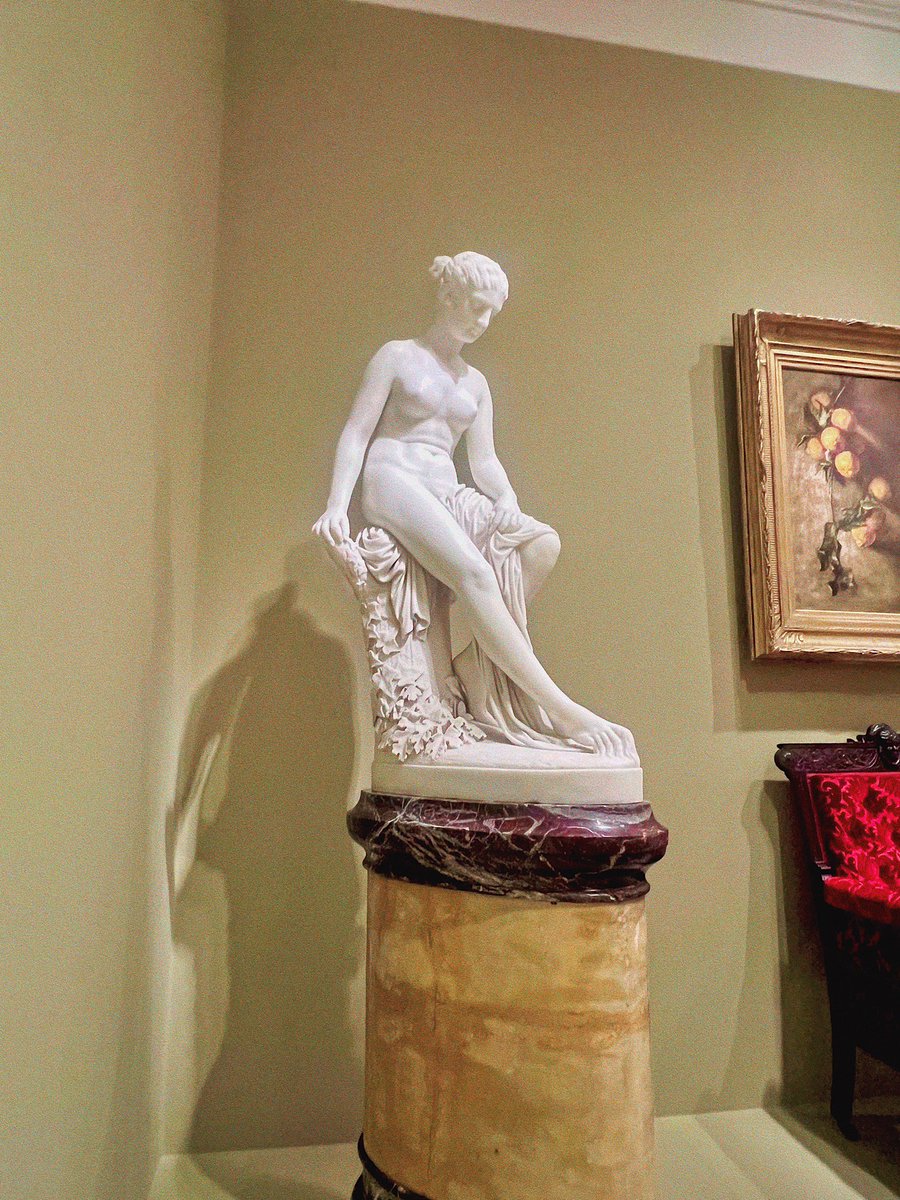
Egeria, the legendary nymph of Roman tradition, was said to guide King Numa Pompilius and was associated with a sacred spring linked to childbirth, ritual, and divine counsel.
#AncientRome#RomanMythology
In ancient Athens, olive trees weren't just a crop they were protected by law. Solon's reforms helped safeguard these trees because they were central to the city's economy, religion, and identity. Read more in the article below.
#AncientGreece#History#Archaeology
Plato was deeply suspicious of unchecked power. His writings on tyranny explore how rulers and societies unravel together. Listen to the discussion. #Platoclassicalwisdom.substack.com…
The so-called “Pre-Socratics” are often treated as a single group, but they were really a wide range of early thinkers asking very different questions about nature and reality.
classicalwisdom.substack.com…#AncientPhilosophy
Euripides’ *Hippolytus* explores what happens when love is rejected in favor of strict moral order, and how that rejection triggers conflict between desire and law.
classicalwisdom.substack.com…#AncientGreece#Euripides
Ancient philosophers treated tears as meaningful signals, tied to healing, reason, and emotional balance rather than embarrassment or weakness. #AncientWisdomclassicalwisdom.substack.com…
The Colosseum was a machine for spectacle, discipline, and control. Entertainment and power were never separate in Rome. #Historyclassicalwisdom.substack.com…
A 4th-century CE mosaic from a Roman villa in Italy depicts India as a richly dressed female figure, accompanied by an elephant and a tiger. It reflects Roman trade with India, including luxury imports like pepper, ivory, silk, and exotic animals used in the arena.
#AncientRome