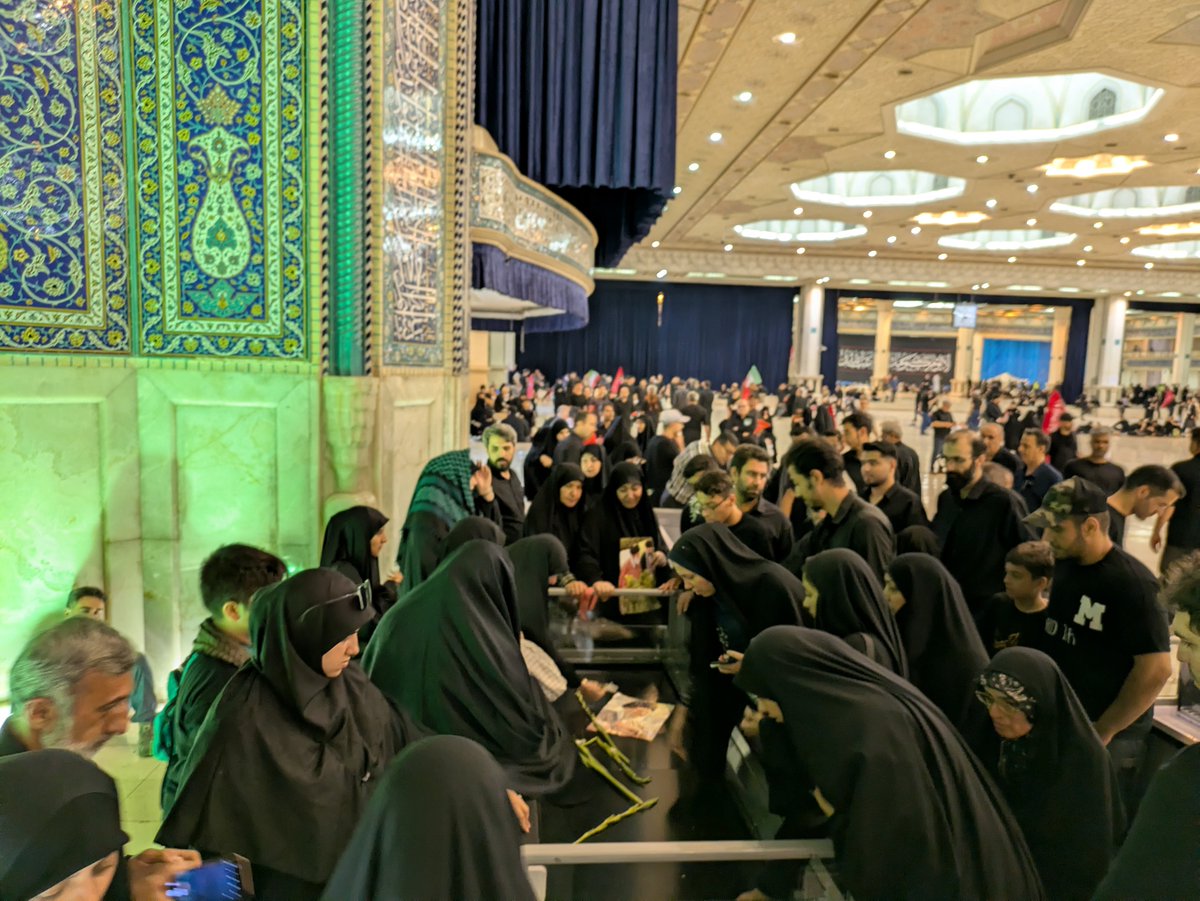
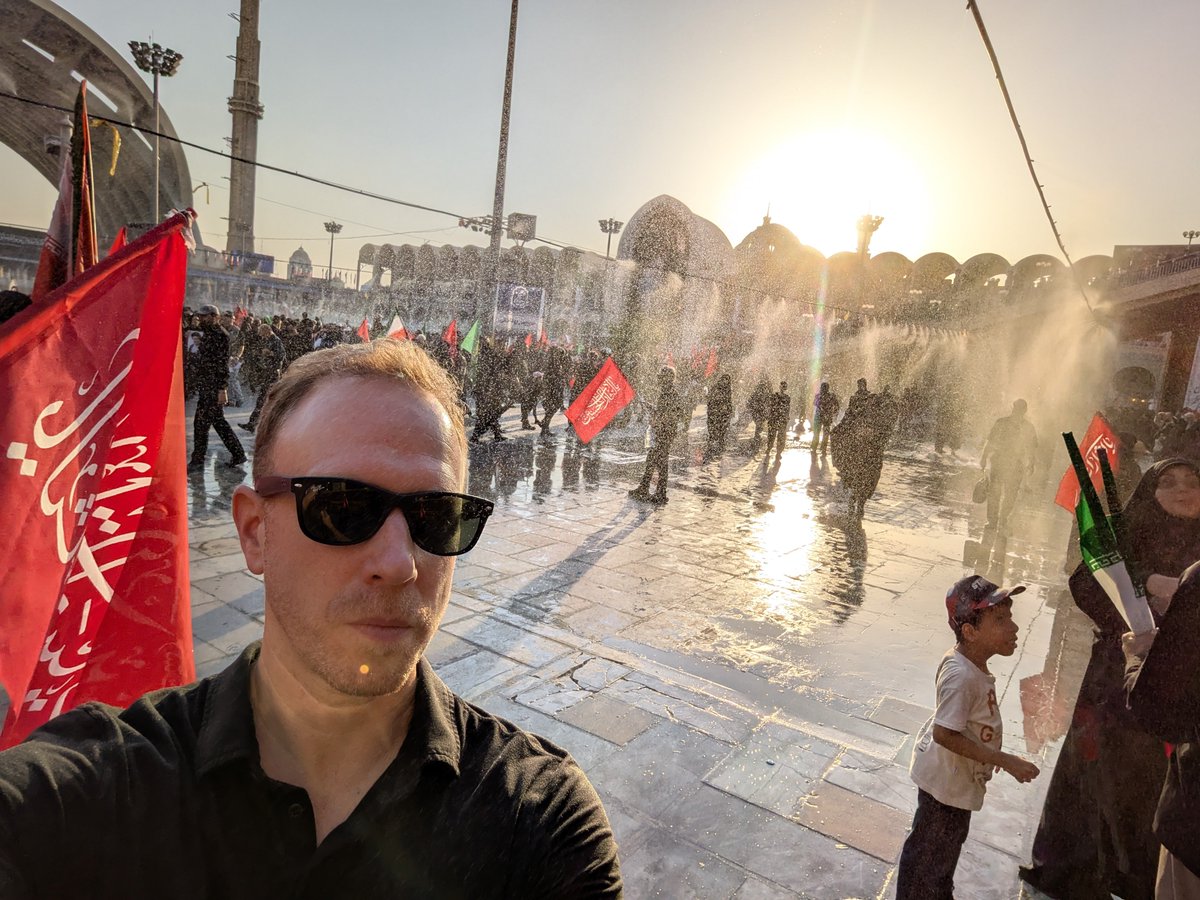
I've just visited the largest funeral in history, where millions mourned Sayyed Ali Khamenei, the Iranian leader who was assassinated by the US-Israeli coalition along with members of his family
It is practically impossible to understand what this scene is like, or what it means, unless you're here. I've met people from around the world who've come to pay respects, including many from across the West. The crowds pouring in are endless, and grow larger and more intense into the night.
From Tehran's Mosala, there are indignant calls for vengeance, displays of sorrow and defiance, protest, songs and marathons of poetry. These days of mourning will amount to one of the most resonant moments in the history of anti-imperialist movements.
Everyone I've spoken to believes war will return to Iran before long, and none trust the MOU with the US. But they are confident their country can deter another assault. They see their own citizens' mobilization as an integral component of Iran's survival.
If the assassination of Khamenei was designed to spur regime change, his funeral demonstrates how badly it has backfired. And the crime may blow back in ways its historically illiterate authors could have never imagined.
What we're witnessing in the Mosala consolidates the Islamic Republic and its revolutionary society as a political reality that can not be erased through regime change war or sanctions. This is a turning point in the region that will echo for a generation.




 Parisa