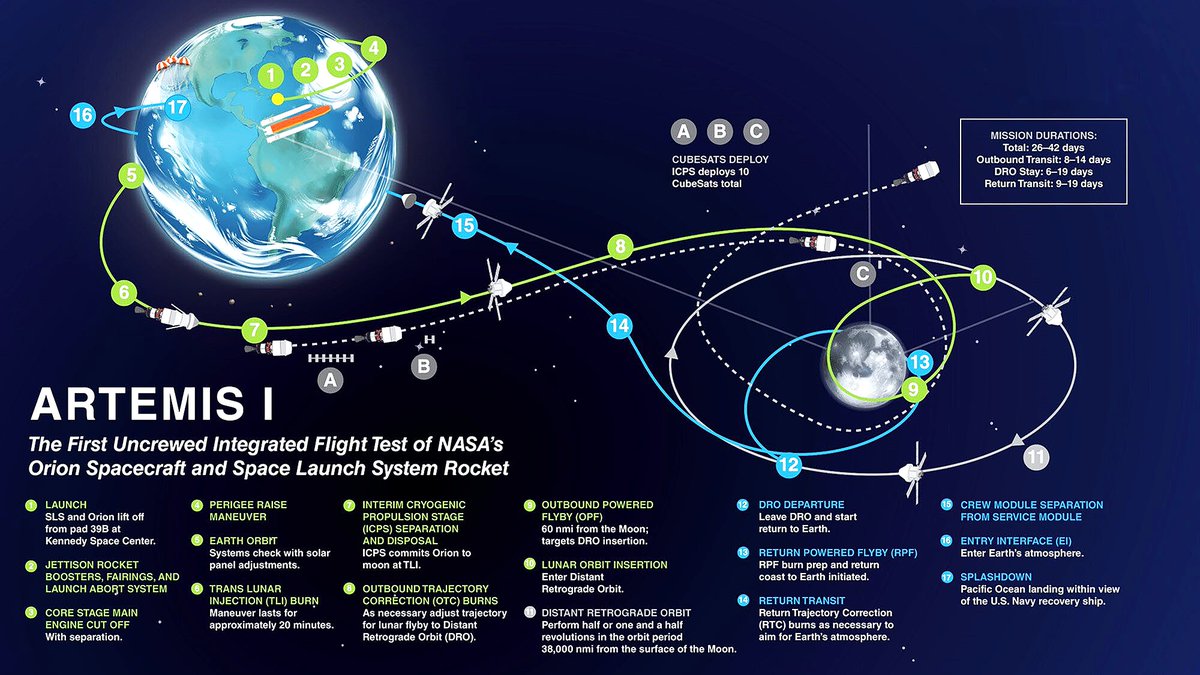
1. THE LONG SILENCE
The last bootprint in lunar dust is over 50 years old. Since 1972, humanity has circled our closest celestial neighbor, mapped it, bombarded it with probes, but we haven't walked on it. We haven't left a mark we could personally verify. That's not just a pause; it's a half-century of lost momentum. The Artemis program isn't just a return. It's a resurrection.
2. THE ARCHITECTURE OF A RETURN
NASA isn't just building a rocket; it's assembling a full-scale expeditionary force. At the heart is the Space Launch System, or SLS, a beast designed to be the most powerful rocket ever flown. But a rocket is just the delivery truck. The mission requires a crew capsule (Orion), a lunar lander, new spacesuits, and eventually, a permanent base. This is a supply chain for a new world, and every link has to work. And that's where the first major snag appeared.
3. THE ENGINE THAT STOPPED A TIMELINE
In early 2023, the final core stage for Artemis II was nearly complete at NASA's Michoud Assembly Facility. The engine section was rotated horizontally in February, ready for its final mate. It should have been on its way to Florida that summer. It wasn't. By May, the schedule slipped, the reason a complex dance of manufacturing, testing, and integration hitting a wall. This single delay didn't just push back a rocket delivery; it rippled through the entire architecture, reminding everyone that moving atoms is harder than moving pixels.
4. PARALLEL WARS ON TWO FRONTS
While engineers wrestled with the core stage, two other critical battles were raging. First, the Human Landing System. NASA isn't building this alone. It's partnering with SpaceX, tasking their Starship vehicle with the monumental job of ferrying astronauts from lunar orbit down to the surface. A stainless steel skyscraper must softly land on another world. Second, the spacesuits. The suits for the Moon aren't just upgrades; they're entirely new ecosystems of life support, mobility, and dust mitigation. Building a suit that can survive the abrasive lunar regolith while allowing an astronaut to kneel and sample soil is an engineering saga unto itself.
5. THE MOON AS A PROVING GROUND
Here's the perspective shift: Artemis isn't the grand finale. It's the training camp. The explicit, stated goal is to use this program to develop the technologies, operations, and human endurance needed for the real prize: Mars. The Moon is 3 days away; Mars is months. Every lesson in Artemis—in life support, resource utilization, radiation shielding, crew psychology—is a down payment on that deeper, darker voyage. The lunar base isn't a monument; it's a simulator.
6. WHAT'S ACTUALLY HAPPENING RIGHT NOW
Forget the static timelines you saw a year ago. Today, the focus is on the tangible: testing Orion's heat shield, assembling the Artemis II stack piece by piece, evaluating the first pressurized rover concepts, and conducting endless simulations. The program has absorbed its delays and is now moving with a different kind of momentum—not just towards a launch date, but towards a sustainable campaign.
7. THE FIRST STEP OF THE NEXT FIFTY YEARS
So when will boots meet dust again? The dates have shifted, and likely will again. But the machinery is real, the contracts are signed, and the goal is no longer a dream. The real story of Artemis isn't a calendar; it's the transformation of the Moon from a distant symbol into a workplace, a lab, and eventually, a shore we can reach. The question isn't just when we go back. It's whether we're prepared for what happens after.
source
@trek_official