
[CS]
Yesterday, I learned the concept of version control, relational database, API and etc.
When I was reading the info of relational DB, I decided to outsource my clothes washing and drying to the washing service.
I renamed some Arduino projects img/mp4 and used Grok to resize some of my STEAM toys photos.
I also downloaded two AP apps built by Firebase to my laptop. And those API were free, but they aren't functioning and need to be paid.
Then, I used Claude Code to build a law quiz app for a bar test.
Law and Med, these are all challenging.

Most Web3 apps just wanna trap you online forever.
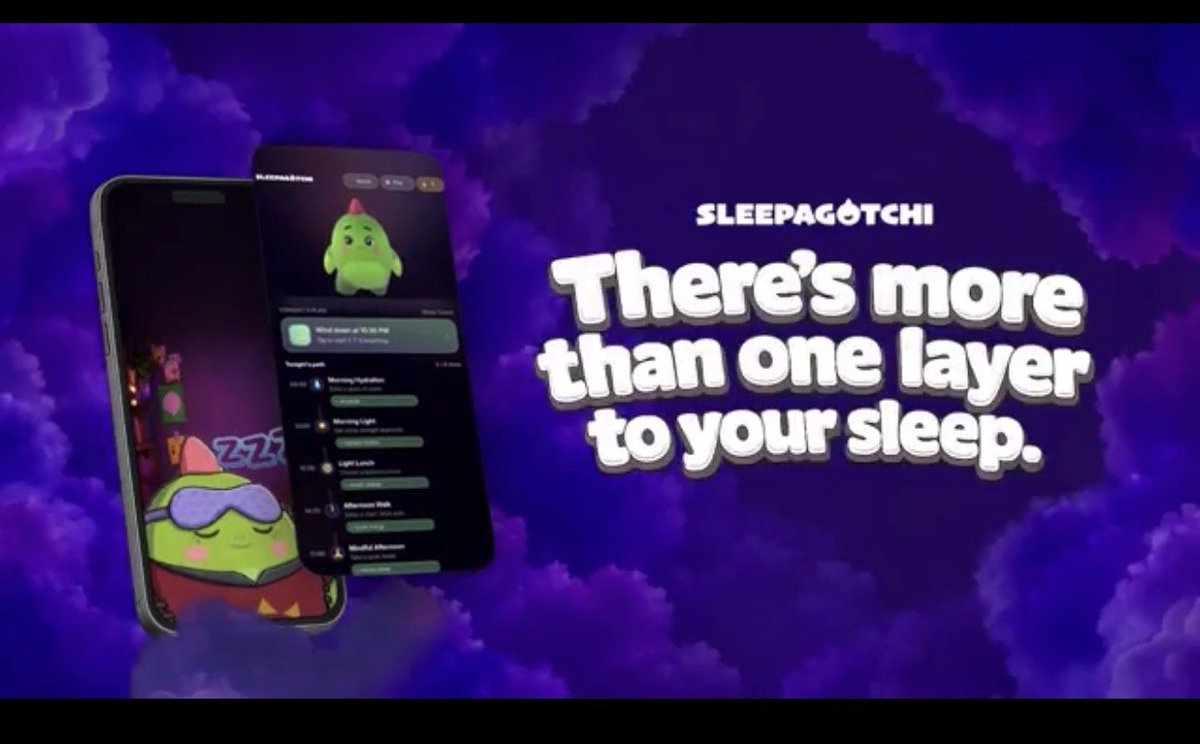
The @sleepagotchi uses AI to bring wellness insights
Health isn't just steps. It's about understanding your body every day
- Better sleep tracking
- Daily recovery monitoring
- Personalized advice
- Wearable connections
- You control your data
Instead of chasing every minute, why not build around existing habits?
Progress grows naturally, not like a constant interruption.
Following @sleepagotchi for that refreshing change.
5
nead retweeted

I think many gay guys don’t actually want sex all the time. Sometimes we just open the apps because we’re craving human connection. Deep down, we just want someone to cuddle with, watch a movie, talk until we fall asleep, hold hands, and feel safe in someone’s arms for a while.
177
1,512
10,652
304,379

Your last paragraph is what I’m suggesting. Drop the suffix altogether.
I was just pointing out that you don’t need chain specific pointers to use a name service on that chain.
Let’s say we started BNS (blockchain name service).
You could register Matt and that could work across Ethereum, BTC etc as long as apps integrated it, like they have done with ENS.
It would be chain agnostic. I’m pretty sure this is entirely technically feasible.
Of course it would need to have its registry *somewhere*, but I think ENS were working on this very solution with Namechain weren’t they?
Config retweeted

Stop opening the same apps every morning. This simple Windows trick can launch your entire workflow with a simple double-click. #Windows11 #Guide #BAT neowin.net/guides/how-to-qui…

1
8
716

this woman is so toxic, all of her vids are about a problem at the gym. please stop posting her stuff. i blocked her on my apps but when someone posts i still c it... thanks.
.ᐟ 𝐧𝐚𝐧𝐚𝐲 ^᪲᪲᪲ ˢᵗᵃⁿ ᵗˣᵗ retweeted

10h
MOA! 🍦
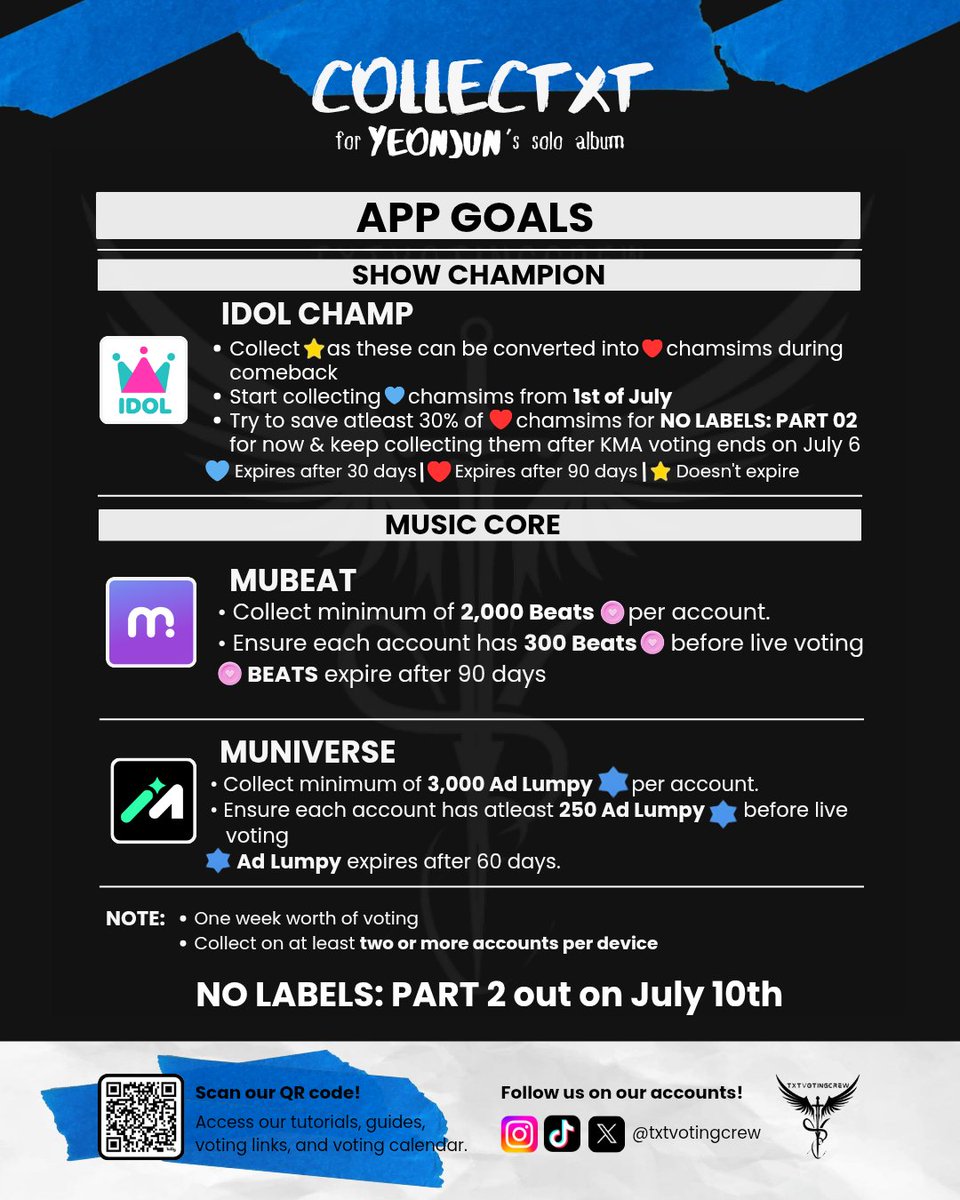
NO LABELS PT.02 is coming!🍨
Make sure to collect votes on the following voting apps!
Let's work hard! Fighting! 💪😸
#MO4TXT #MOAisONE #TOMORROW_X_TOGETHER
#YEONJUN #NOLABELSPART02
Jun 18

🌟 TXT Voting Crew's App Tutorials for #YEONJUN's upcoming album
Bookmark and share this to every MOA! 📢
We hope the information in this thread can help more MOA how to collect on the comeback apps. Let’s do our best to get more wins!
#MO4TXT #MOAisONE
#TOMORROW_X_TOGETHER

12
22
2,592

138G/A in 130 Apps...... He also won olympic gold 🪙 🏅

🇧🇷 | Tonight, Neymar Jr may have played his final ever game for Brazil.
It will be a very long time before Brazil’s yellow shirt is worn by someone this good again.
A genius, a maverick, an entertainer, one of the true greats. Appreciate him.


wa.me/ 447828551817
Dodgy firestick fully apps
Interested in a firestick streaming service? Please contact #dodgy_firestick via WhatsApp: for more information
@everyone #firesticktv
wa.me/ 447828551817
1
Dsv pink retweeted

11h
Z Fold8 will bring some major Android optimizations for wide foldables
Excited to see how apps use the extra wide space

3
7
181
6,318

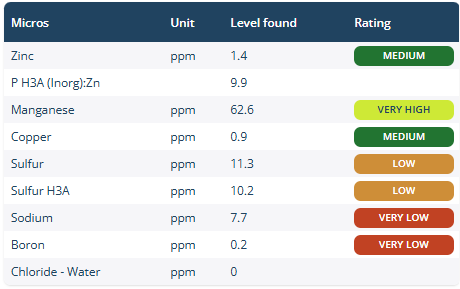
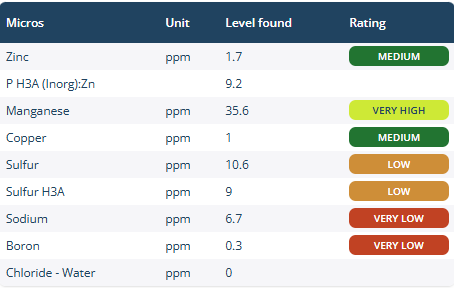
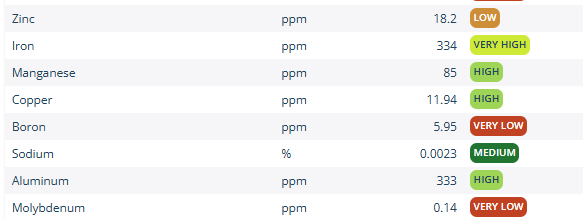
Most of our V5-V6 soil & tissue's coming back w/ low levels of Boron. Looking ahead to finishing or starting Side-Dress, Y-Drop, Aerial, or Pivot apps let's consider applying.
Why?
- Facilitates sugar movement into kernels for grain fill
- Supports pollination & fertilization

2
shyy` ⚔ | 🄴🄽 retweeted

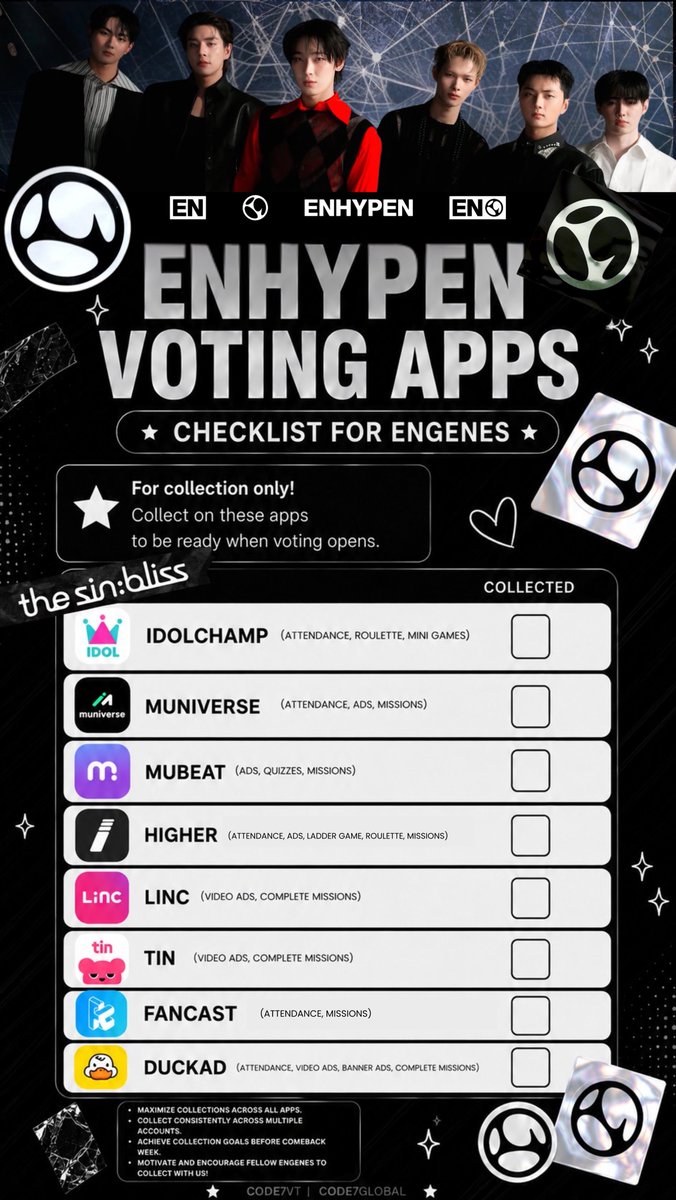
🚨 [COLLECTION NOTICE] 🚨
ENGENEs, don’t forget to open your Higher, Fancast, and Idolchamp apps to claim your daily attendance rewards!
You may also use this voting apps checklist to help manage your daily routine, and feel free to post or share it here on X to encourage fellow ENGENEs to join in.
Make the most of all your accounts and keep collecting every day so we’ll be fully prepared for Bloody Paradise. 🩸
#ENHYPEN #엔하이픈 #エンハイプン #EN_COMEBACK #THE_SIN_BLISS

88
105
5,085

Explain to me why "taste" matters even a little bit when so many garbage apps dominate the space they occupy
6

56.3M impressions!
6 apps shipped!
That's where you got the salute!
Keep shipping Avery!
1

8 reasons (free) FluidVoice beats Wispr Flow:
1) Dictation is local, so it's FASTER
2) Dictation is local, so it's PRIVATE
3) It goes beyond dictation. It transcribes any audio file.
4) You can see what it transcribes WHILE you dictate (not AFTER you're done talking)
5) It's free
6) It's open source
7) It's elegantly simple
8) It doesn't flood you with marketing questions the way Wispr Flow and other apps do
Plus it's made by a nice guy who got fed up with the same sh*t you hate in dictation apps. Let's help him get more users.
Link in the first comment.
25

I wasn’t aware of the offline maps apps mentioned. Will try them out. Would be nice to be able to run GPS and not cook my phone.

"Turn off location services" is the most repeated privacy advice on the internet. It is one switch in a system with a ton of leaks.
GPS itself is receive only. The radio never transmits. Kill the switch and you lose navigation while your position keeps flowing anyway: ad identifiers, your IP address, WiFi mapping, account history, the cellular network itself.
What a solid defense looks like:
Audit location permissions. Almost nothing deserves Always access. Live navigation and an active rideshare trip qualify, little else does. Everything else gets while in use, coarse, or nothing. Websites ask too, so do the same in your browser.
Navigate offline. @OrganicMapsApp or @osmandapp run on downloaded maps and plain GPS. Your travel history stays on the device with cloud backup and track sync off.
One subtle leak remains: the first satellite lock on a stock phone fetches assistance data from vendor servers. GrapheneOS routes that through its own.
[Staying on stock Android or iOS?
Damage control: turn off Web & App Activity in your Google account and Timeline in Google Maps. Google moved Timeline on device after the central store became a geofence warrant magnet, but Web & App Activity still logs to their servers.
On iPhone, clear Significant Locations and prune System Services. Treat every toggle as a request [not a guarantee].
Cut the ad pipeline. Delete your advertising ID on Android, deny every tracking prompt on iOS. SDKs inside ordinary apps harvest location and IP and sell it into the bidstream.]
@GrapheneOS can revoke network access per app, which ends that conversation entirely.
Your IP address places you at city level on its own, and far more precisely once brokers join it with those identifiers.
Tor goes further, and on a phone that means Orbot, routing the whole device through Tor, or individual apps on Android. Slower, and exits get blocked, so it is the high threat mode rather than the daily driver. Neither touches GPS permissions, accounts you stay signed into, or tower records.
Orbot is the free exception because it is Tor [not a VPN business]: volunteers run the relays and nobody monetizes your traffic.
Google and Apple maintain databases mapping practically every router on earth to coordinates, so the networks around you place you to the building with GPS off. Randomize your MAC address at the strongest setting offered, iOS now has a Rotating mode. Disable WiFi and Bluetooth scanning, both sit under Location Services on Android. iOS exposes less, but check System Services under Networking & Wireless. Append _nomap to your SSID to pull your router from Google's database. Google's only.
Stop volunteering it. Snap Map, Life360, Strava heatmaps, WhatsApp live location, Find My sharing. Each one is a standing beacon someone else reads. Cellular watches, trackers, and car infotainment write parallel trails.
Strip metadata before posting photos. EXIF carries coordinates, timestamps, and device model.
Microphones and motion sensors are documented location channels. Ultrasonic beacons earned FTC warning letters, and gyroscope route inference exists in the research. Niche next to adtech, but cheap to close: deny the mic by default, revoke sensors where your OS allows.
GrapheneOS has a per app toggle, iOS only covers Motion & Fitness.
Your phone is findable powered off. Recent iPhones keep beaconing into the Find My mesh after shutdown, and Pixel 8 class hardware does the same for Android's network. Both are opt out.
Cellular is the hard floor. Your carrier logs tower connections around the clock. Disable 2G to cut exposure to downgrade attacks from fake base stations. Apple shipped Limit Precise Location, which degrades what the network sees to neighborhood level, but it needs Apple's own modem and in the US only Boost Mobile supports it.
The real answer is still airplane mode with WiFi only and calls over @signalapp with always relay on, since peer to peer calls expose your IP to the other end. Few people live there. Every layer above still shrinks what anyone can buy about you.
Reducing exposure works.
1

1m
I’m literally playing a power point presentation right now but they’ll ban apps that just make the game easier to play how about go fuck off @GenshinImpact let ppl enjoy your fuck ass game their own way
1

There are some apps that if you text me on I’ll just think you’re not ready for whatever conversation you want to have especially if you’re someone I know that has my number.
Unless you want to tell me you lost my number

Texting me on snap is 1 thing, getting me to respond is another
4
Cum Ft Candy😋$6.50 OF😘DM FOR MENU retweeted

9 Jun 2025
Tired of bouncing between 5 apps just to get promo done? 😩
Meet ShareYourFans™ — your all-in-one hub built just for creators like you.
✨ Link your OnlyFans, Fansly, LoyalFans, or Fanvue
10
756
231
26,985